Forums › Forums › General fungi discussion › Fungus Of The Day (One identified fungus only please, with species name in attachment comment and in post)
- This topic has 953 replies, 55 voices, and was last updated 4 weeks ago by
admin.
-
AuthorPosts
-
November 5, 2021 at 2:39 pm #34167
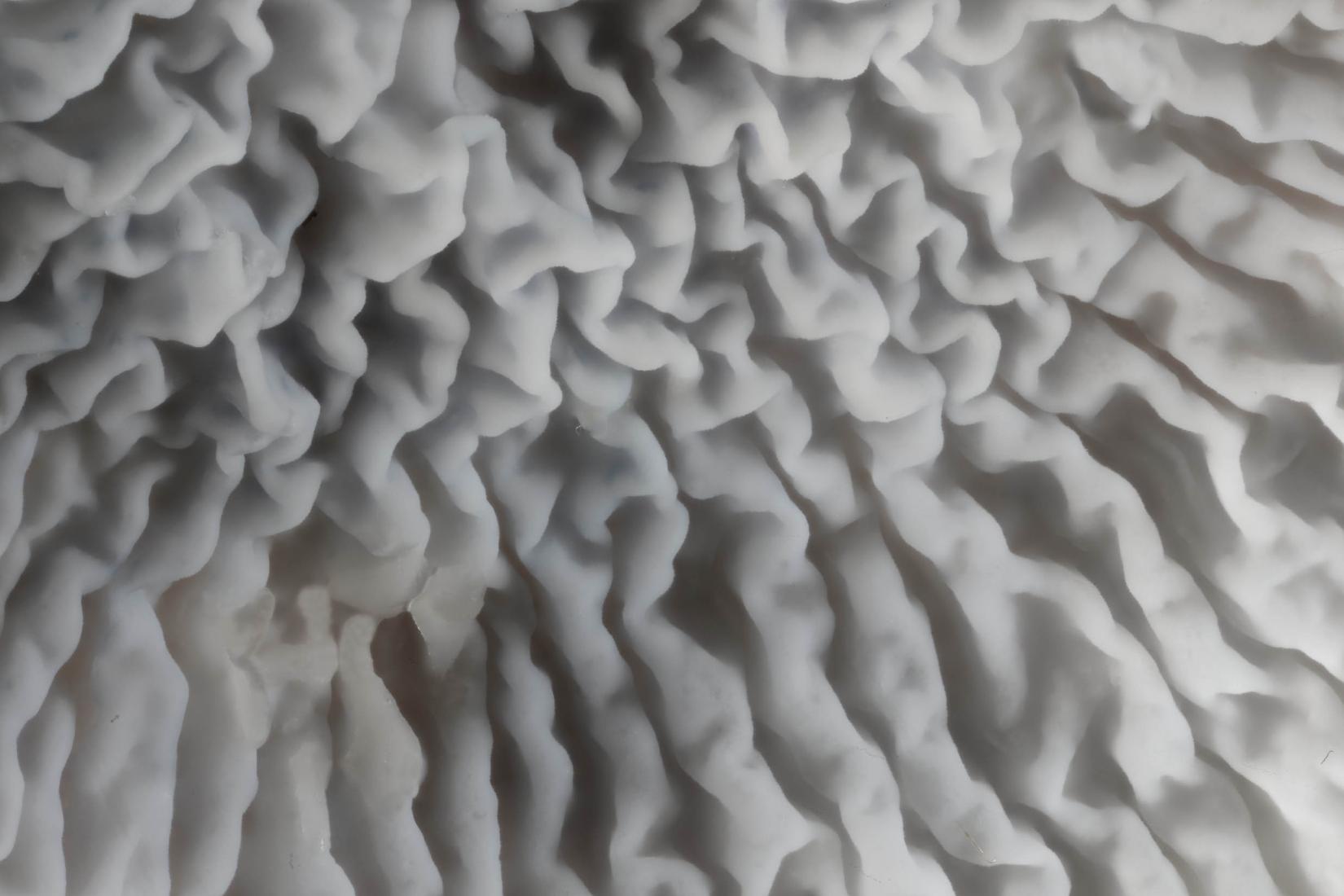
I love the abstract quality of some fungal features – the wrinkled hymenophore of Plicaturopsis crispa– this fungus seems to be getting a lot more frequent in Yorkshire – it was first recorded for the county as late as 1963. 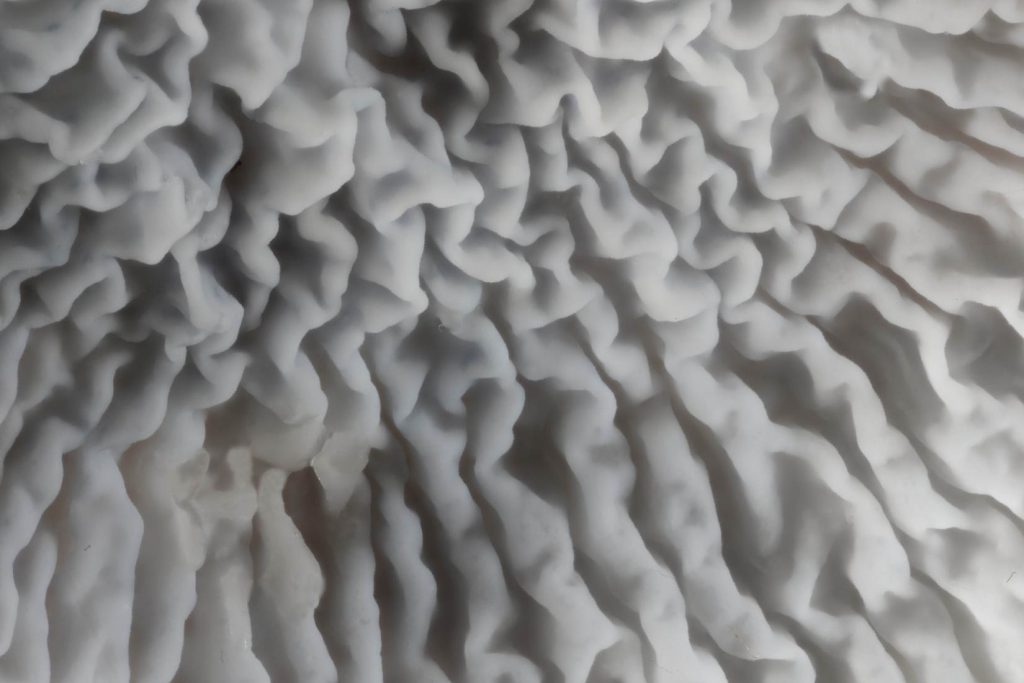
[attachment=0]Plicaturopsis crispa 04.jpg[/attachment]
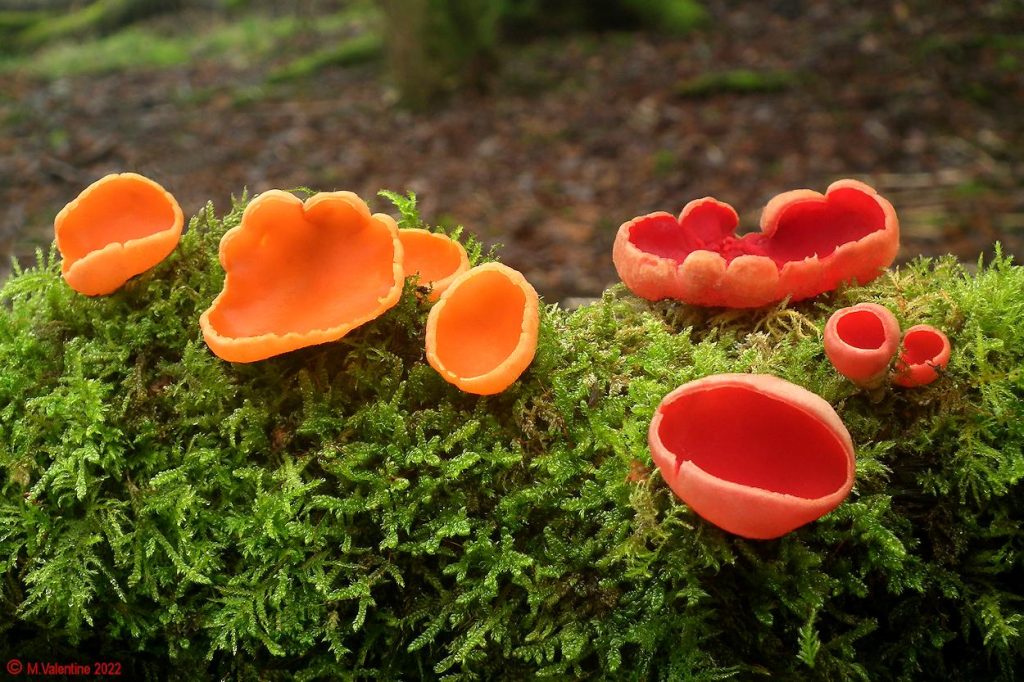
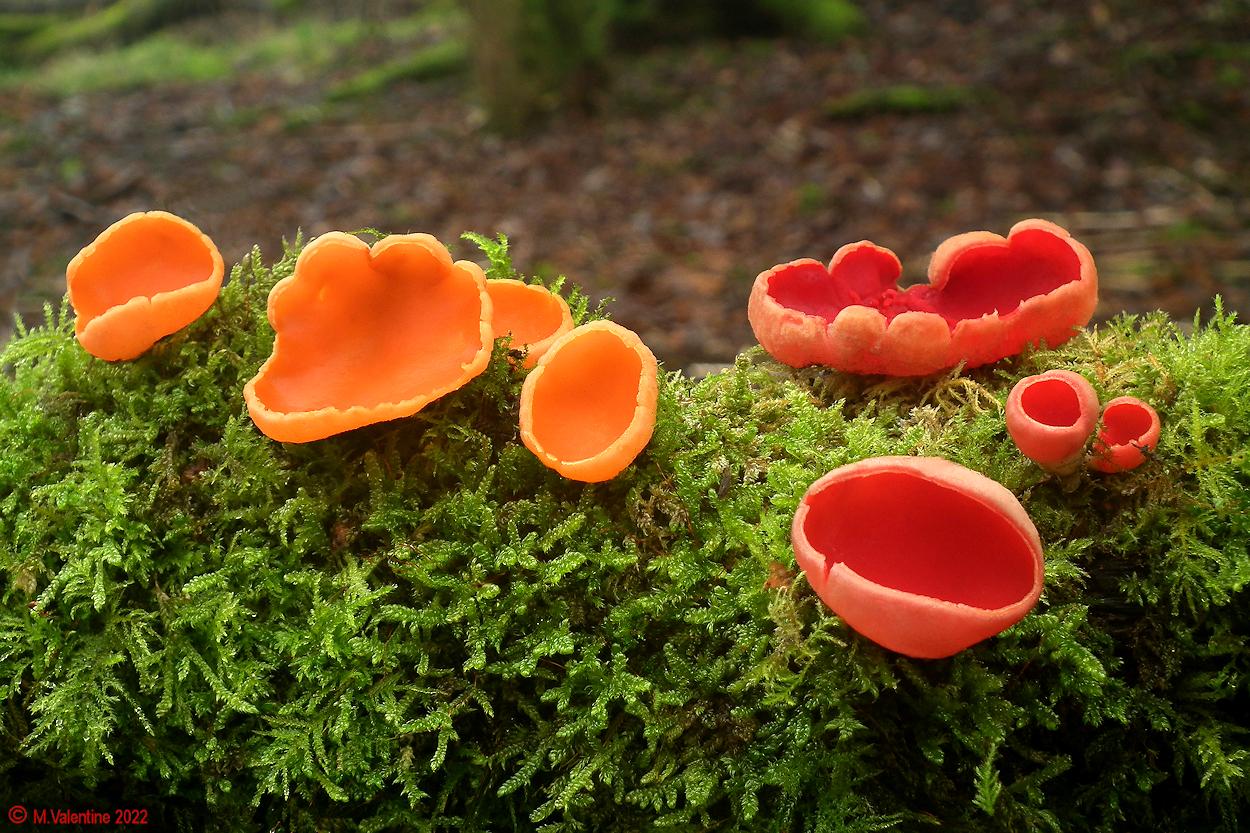
ChrisFebruary 7, 2022 at 7:56 pm #34168Sarcoscypha austriaca– Scarlet Elfcup. – (Normal Red fruitbodies, and orange variation fruitbodies). Must now be ten years or so that these orange variants have been appearing alongside the normal red fruitbodies at this site.
(To clarify, microscopy has previously been done, several times over several years, on both red and orange fruitbodies from this exact location, and samples have also been sent to Kew, where Dr Paul Cannon confirmed them as
S.austriaca). .
[attachment=0]Sarcoscypha austriaca – Scarlet Elfcup (& Orange Variant).jpg[/attachment]
.Regards,
Mike
February 22, 2022 at 5:03 pm #34169Yellow Fieldcap Bolbitius titubans
A bit out of season perhaps but these never last very long so probably not seen a lot of the time?
September 12, 2022 at 10:07 am #34170Favolaschia caloceraSeptember 12, 2022 at 11:22 am #34171adampembs wrote:
Favolaschia calocera
Fantastic find (and photo), Adam.Were these in Cornwall? – Or are they moving further “up country” these days?
Regards,
Mike.
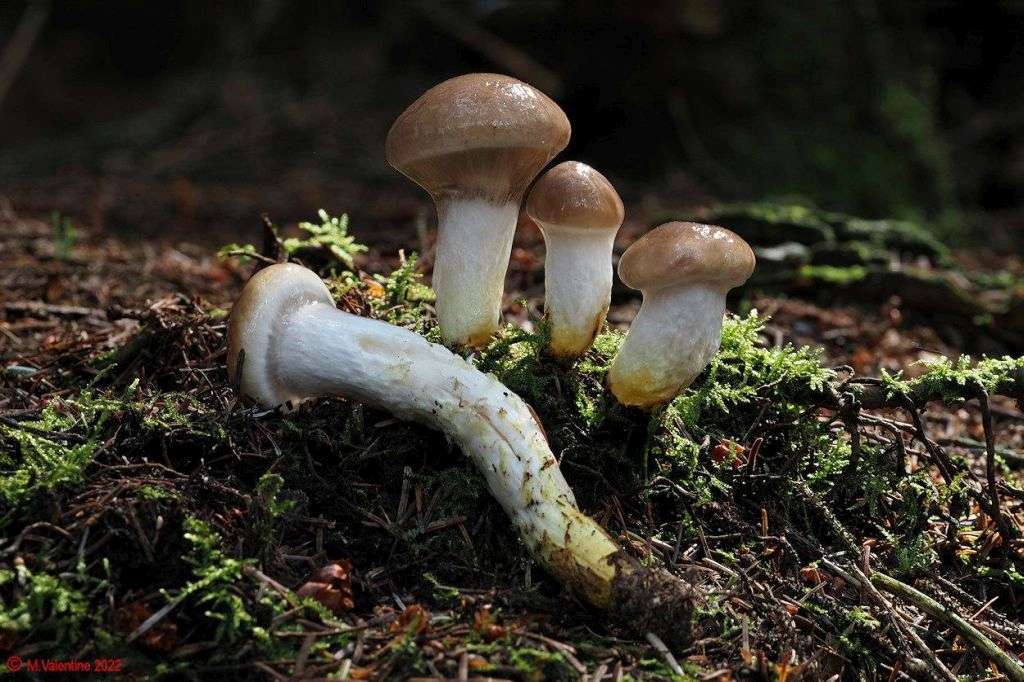
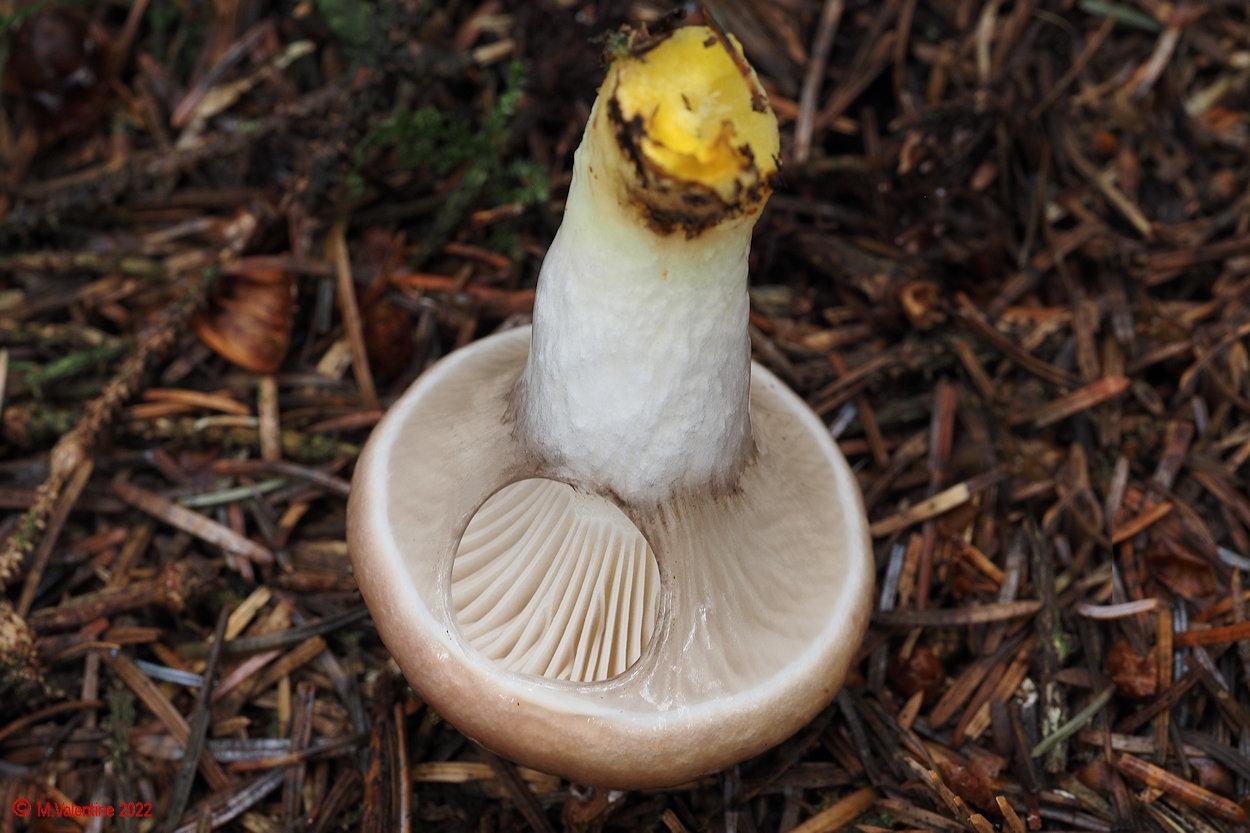
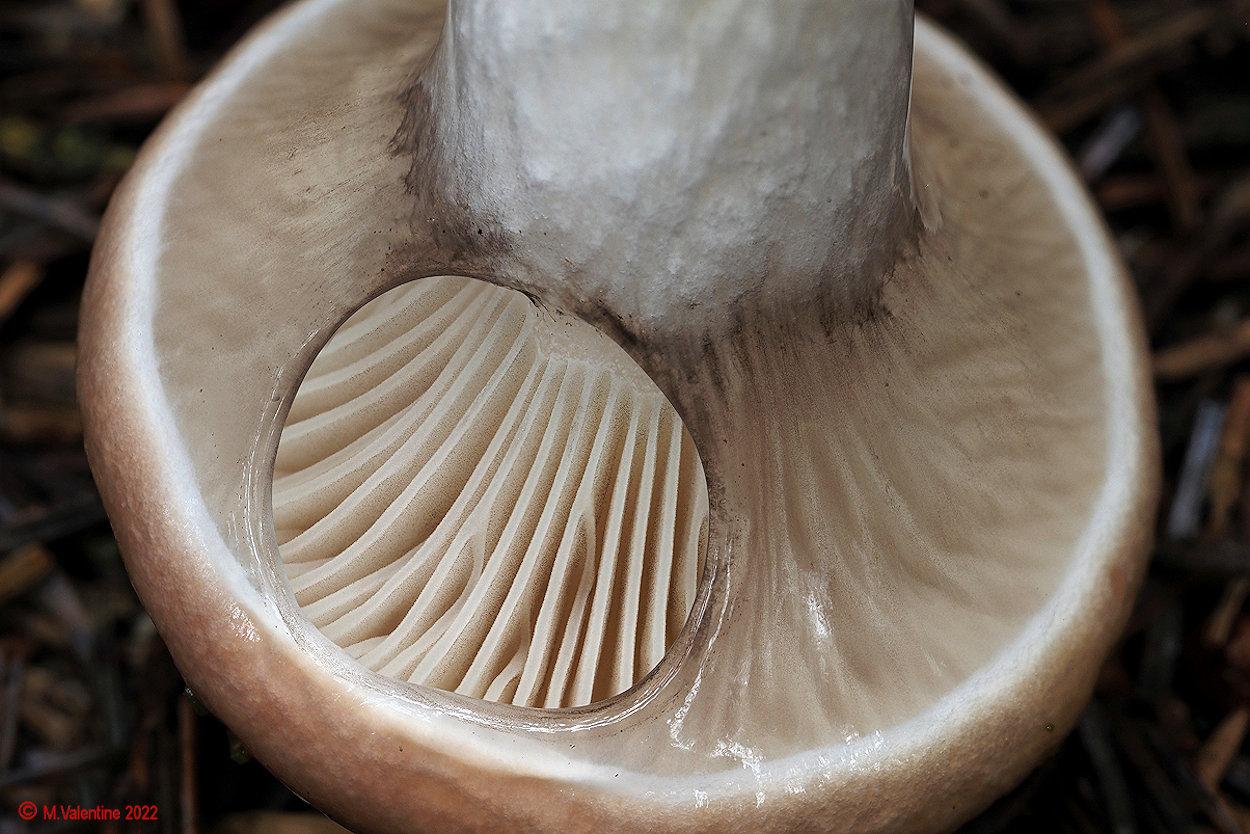
September 12, 2022 at 1:17 pm #34172Gomphidius glutinosus– Slimy Spike. Found yesterday in a Spruce plantation – North-west England.
[attachment=3]Gomphidius glutinosus – Slimy Spike 1.jpg[/attachment] 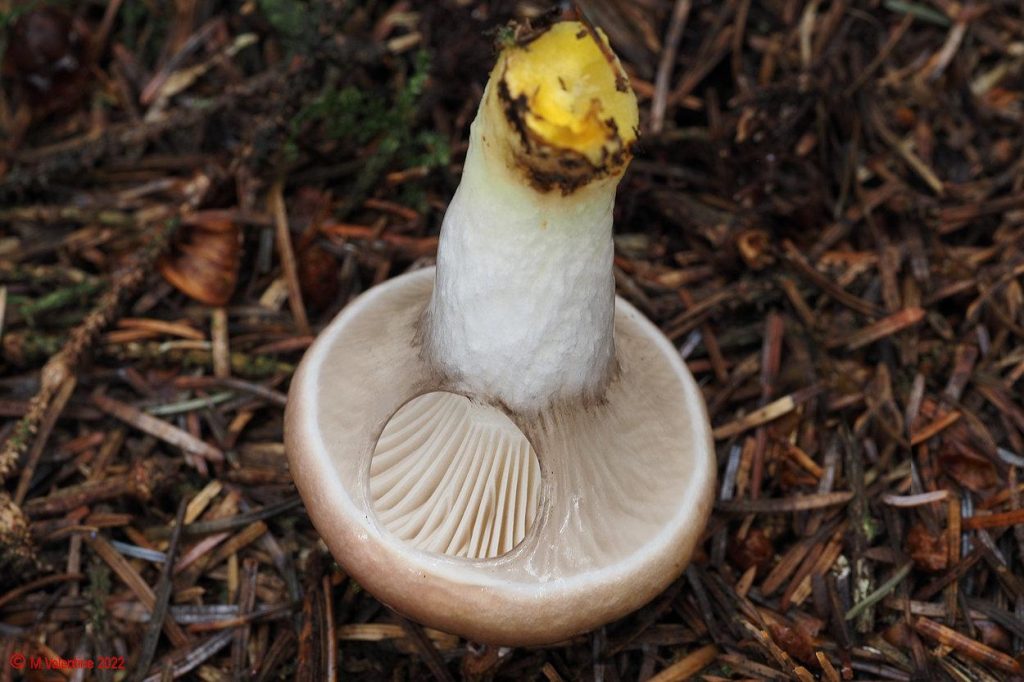
[attachment=2]Gomphidius glutinosus – Slimy Spike 2.jpg[/attachment] 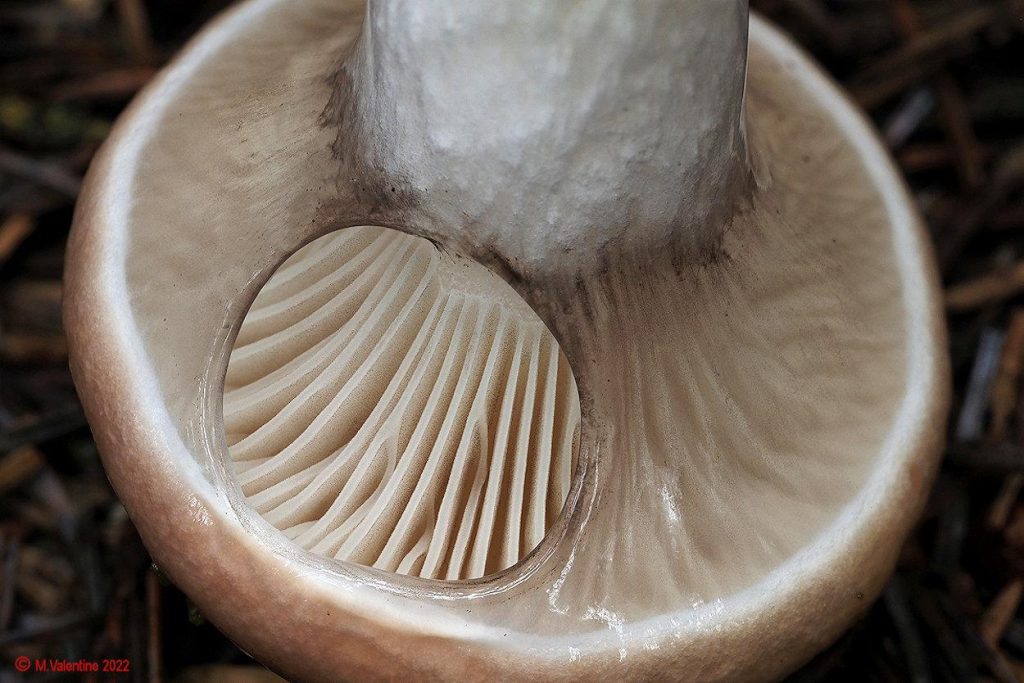
[attachment=1]Gomphidius glutinosus – Slimy Spike 3.jpg[/attachment] 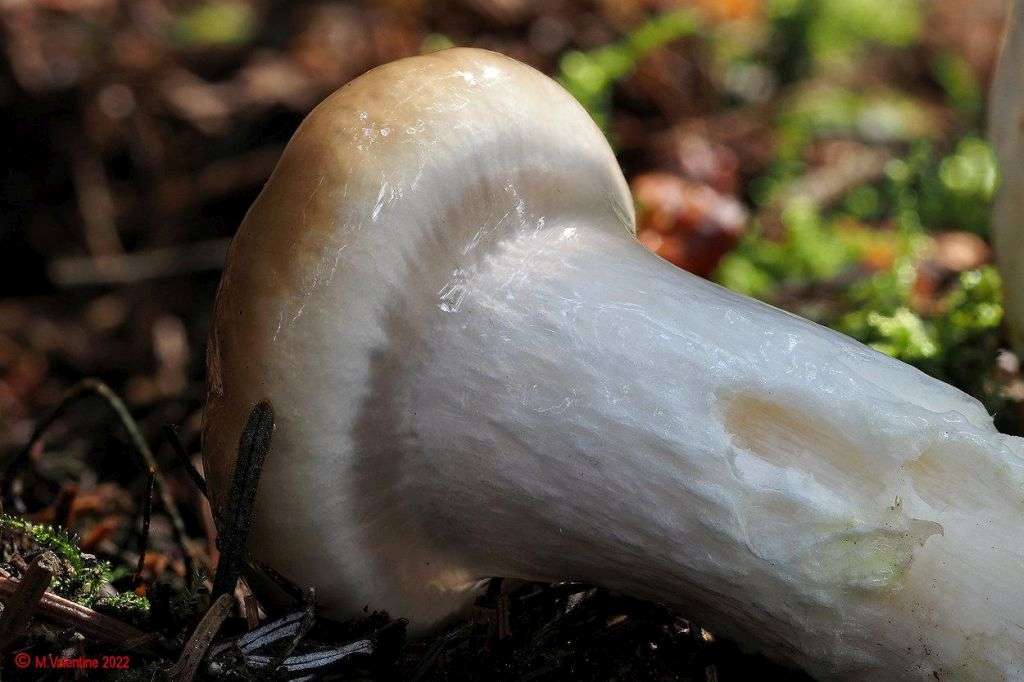
[attachment=0]Gomphidius glutinosus – Slimy Spike 4.jpg[/attachment] Regards,
Mike.
September 12, 2022 at 3:18 pm #34173Lancashire Lad wrote:
adampembs wrote:
Favolaschia calocera
Fantastic find (and photo), Adam.Were these in Cornwall? – Or are they moving further “up country” these days?
Regards,
Mike.
Pembrokeshire. We’ve had several records now. Nice find with the Gomphidius.
 September 12, 2022 at 3:24 pm #34174adampembs wrote:
Pembrokeshire. We’ve had several records now. Nice find with the Gomphidius.
Nice one Adam.Good to know that they are finding some more northerly sites.
Hopefully might get a chance to spot them in my neck of the woods someday!
Regards,
Mike.
September 12, 2022 at 4:10 pm #34175Lancashire Lad wrote:
adampembs wrote:Pembrokeshire. We’ve had several records now. Nice find with the Gomphidius.
Nice one Adam.Good to know that they are finding some more northerly sites.
Hopefully might get a chance to spot them in my neck of the woods someday!
Regards,
Mike.
I’m a bit cautious about whether it is a good thing.. we don’t really consider whether we have the fungal equivalents of Japanese Knotweed.
I’m reading a recent paper that considers this a species complex. I understand hardly any of the paper but it does have a handy key. It’s one of those case where the species can be identified easily by amateur mycologists.
September 13, 2022 at 9:38 am #34176I agree with you on the Japanese Knotweed comment but if it’s climate change allowing them to move north then not much we can do about it. Would we have a different attitude if they were nondescript and brown rather than looking different from anything else and being orange with a funny name?
One to think about.
Gary
September 13, 2022 at 10:47 am #34177I agree that I doubt we can do anything about it, as fungal spores will go everywhere. However, they originiate in Madagascar, 250m of the coast of Africa. So they are brought in by humans (likely on contaminated timber from cutting down tropical rainforest) rather than as a result of climate change.
But generally, we will likely never know if they cause competive problems for other species as the research funding is unlikely to be there.
September 13, 2022 at 12:17 pm #34178In general, and in respect of potential benefits of increasing UK biodiversity, I remain fairly positive about most fungi species new (and fairly new) to the UK. Unlike, for example,
Hymenoscyphus fraxineus, (assumed to have been introduced into UK via infected Ash saplings from Europe), which is parasitic and highly dangerous to Ash trees, it is my understanding that Favolaschia calocera, (thought to have been introduced to the UK on imported timber), is a saprophyte, feeding only on dying/dead/decaying wood. Unless anything is at some future point discovered to the contrary, I would consider
Favolaschia caloceraas no more of a problem than any other saprophyte species already well-established in the UK. – And, since it is already here, I would welcome the opportunity to see it for myself. I agree that care should be exercised as far as is practically possible with respect to the UK consciously importing (for commerce etc.) anything that might be a host or vector for known invasive or dangerous fungi.
But it can only be a matter of time before wind-blown spores of hundreds, if not thousands more species hitherto unrecorded here arrive from whichever country their journey started, get a foothold and become part of the UK biome. (No doubt the case for many fungi already accepted as “UK (recorded) species” over the years).
We will never be able to stop that, and will just have to accept it – be they saprophytes, parasites, or whatever the feeding methods of the species concerned might be.
(I remain positive about most of what is likely to happen in future times, – and pragmatic about the remainder).
Regards,
Mike.
September 14, 2022 at 5:54 am #34179Lancashire Lad wrote:But it can only be a matter of time before wind-blown spores of hundreds, if not thousands more species hitherto unrecorded here arrive from whichever country their journey started, get a foothold and become part of the UK biome. (No doubt the case for many fungi already accepted as “UK (recorded) species” over the years).
We will never be able to stop that, and will just have to accept it – be they saprophytes, parasites, or whatever the feeding methods of the species concerned might be.
(I remain positive about most of what is likely to happen in future times, – and pragmatic about the remainder).
Regards,
Mike.
We can’t stop spore blowing across the English channel but we can stop importing plants and timber from places like Madagascar. We really shouldn’t be buying timber from pristine ancient tropical forest. The current tree planting craze too, involves importing saplings of native species from across the world and spreading disease. My view is that we should be encouraging natural regeneration, and if we do plant saplings, they should be of local provenance.
As for this species, we simply don’t know the effects. Species use chemical defences to secure their foothold. They don’t need to be parasitic or pathogenic to be a problem, they can displace other species from their niche. We see this with Himalyan Balsam and JKW. We also see it with Red Valerian, where Pennywort / Navelwort or small ferns would ooccupy the niche in those stone walls.
Truth is, we can guess or speculate but we simply don’t know. Therefore I think we should take a precuationary approach over the import of timber or live species.
September 15, 2022 at 3:21 pm #34180Favolaschia calocera – recent work at Kew has determined that the species found in UK is F.claudopus which seems to have originated from Australasia where it is a species of concern as it out competes many other fungi on wood so potentially could be a problem in UK. I’m not an expert on these just passing on recent information from Geoffrey Kibby… September 15, 2022 at 7:26 pm #34181Oudemansiella mucida– Porcelain Mushroom -
AuthorPosts





- You must be logged in to reply to this topic.