
JennyS

Forum Replies Created
-
AuthorPosts
-
Hi Adam – the feeding signs and frass are from the micro moth Psychoides filicivora: http://ukmoths.org.uk/show.php?id=5183http://ukmoths.org.uk/show.php?id=5183” class=”bbcode_url”> However just on the off-chance its worth checking the head colour of the larva as if its black rather than brown it is Psychoides verhuella, less frequent and which I still haven’t managed to find!
http://ukmoths.org.uk/show.php?id=1722http://ukmoths.org.uk/show.php?id=1722” class=”bbcode_url”> Thank you for the host correction – that explains why I couldn’t find it! Knew I must have missed something obvious
😳 😳 😳 Hi Chris – what’s the position with rusts on other prunus species as I found some (still in the microscope queue) on a hedge prunus that might perhaps be P. cerasifera ….. ? It definitely isn’t spinosa and didn’t look like domestica either
Quote:to see if there was any sign of the Puccinia vincae having been infected with the basidiomycete “Tuberculina sbrozzii” – but couldn’t find any indication of its presence.
There’s a clump of rusted Vinca I check on my way to work – still no sign of Tuberculina on it!
Good idea – here’s Uromyces limonii on Sea-lavender, Limonium vulgare 
[attachment=2]w Uromyces limonii 150526 135.jpg[/attachment] 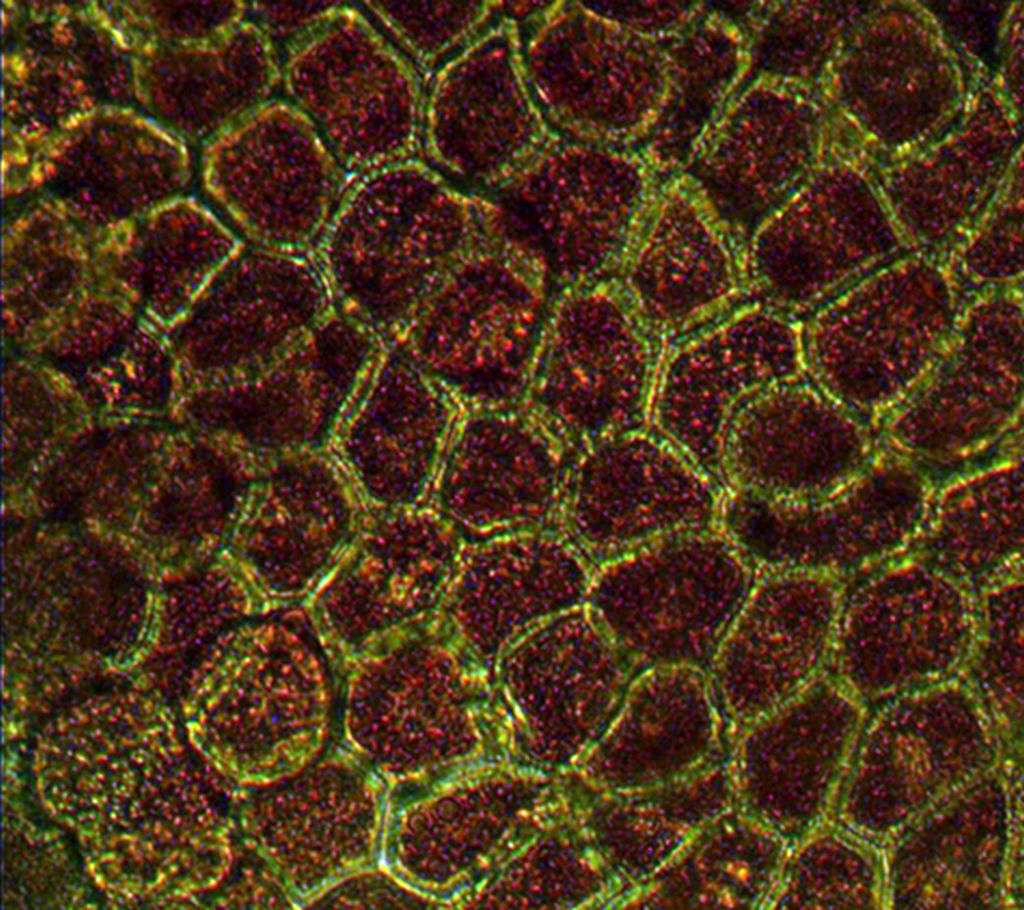
[attachment=1]w Uromyces limonii 150526-1.jpg[/attachment] 
[attachment=0]w Uromyces limonii 150526-3-2.jpg[/attachment] Thanks Chris, thought it probably must be but having slipped up a couple of times recently on rust IDs thought I’d better make sure! Thank you Chris – I’m struggling to tell the difference between aeciaspores and uredospores though … 😳 How best should I heat the slide – over a lighter flame or something a bit more refined?!
Hi again, its a ‘yes and no’ answer to that one! Most important is the bark PH – some corticolous lichen species are restricted to trees with a basic bark, others to trees with acidic bark. Very rough guide Elder, Ash, Elm have basic bark, Birch and pines acidic but the bark PH is also affected by tree age and the soil conditions etc
Then there are others like Xanthoria and Physcia’s that need nutrient enrichment (nitrogen) from exhaust fumes and agricultural fertilisers.
Hi Jimmy – the white crustose one in the centre is a Lecanora sp, the green foliose ones to either side Melanelixia sp. Lichens can be difficult from photos at the best of times and you really need clear close ups for a better chance of an ID
May 28, 2015 at 8:41 pm in reply to: The Rust Fungi of the British Isles A Guide to Identification by their Host Plants #34598
😳 Doh – thank you very much for the correction Chris, I should have checked Ellis & Ellis before rushing to put a name to it.Good to see you here!
Ah ok, just re-read ‘How to post images’ and resized 
[attachment=2]w Miyagia pseudosphaeria 150524 007 Sonchus oleraceus.jpg[/attachment] 
[attachment=1]w Miyagia pseudosphaeria 150524 010 Sonchus oleraceus.jpg[/attachment] 
[attachment=0]w Miyagia pseudosphaeria 150524-1.jpg[/attachment] Cheers Mike – must go check the Alchemilla in the garden …. Quote:Very good posts re Literature sources but too many books etc. to buy/download and particularly carry in the field!

-
AuthorPosts
