Forums › Forums › Fungi ID requests (post here if you aren’t sure what type of fungus you’ve found) › Some fungi from September and October
- This topic is empty.
-
AuthorPosts
-
November 7, 2017 at 10:30 pm #30808
Back in September and October I was in a mixed woodland, mostly deciduous with beech, ash, oak, birch etc… and I found quite a lot of different fungi and I just need help with identifying and confirming what some are. First, these 3 images. The first 2 are of the same fungi, found on a rotting tree stump:
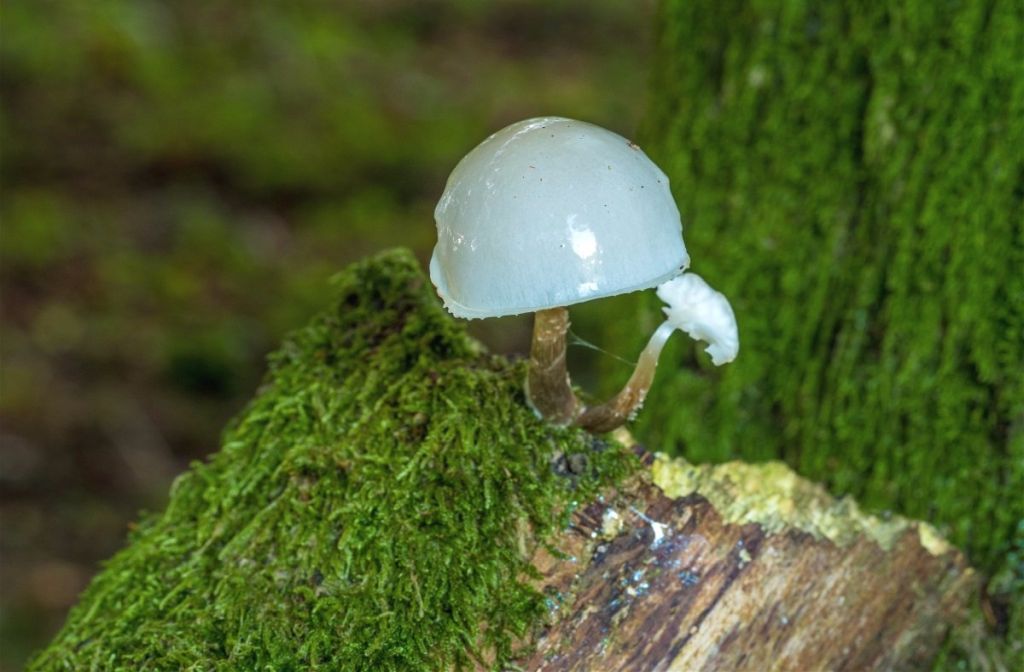
[attachment=7]Fungi_1.jpg[/attachment] 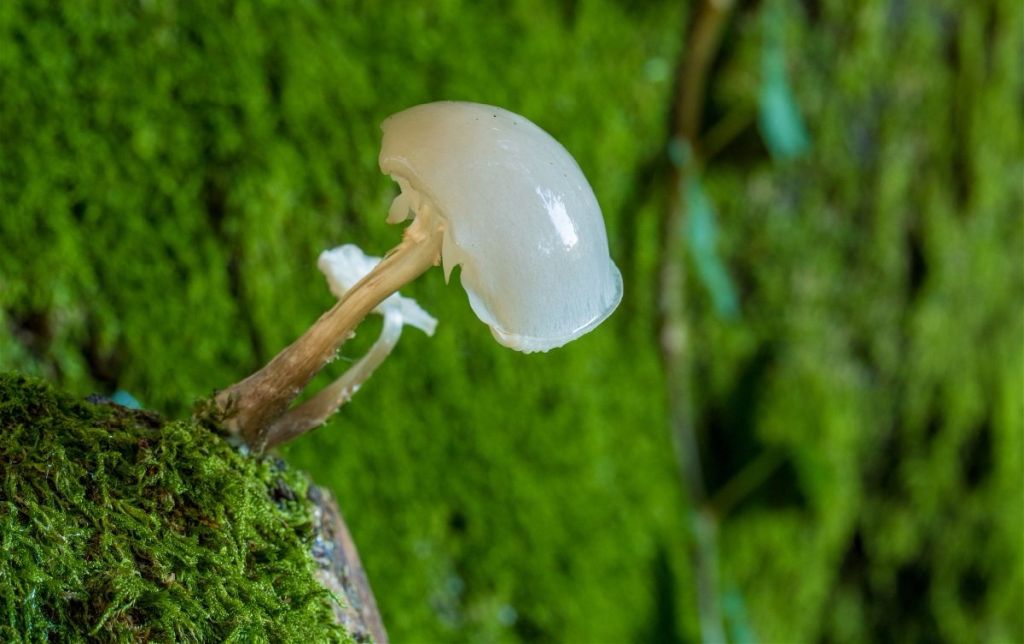
[attachment=6]Fungi_1_SIde.jpg[/attachment] This one was found on a rotting beech tree and the head had a slimy texture to it. Is it the same type of fungi as in the first two images above?

[attachment=5]Fungi_2.jpg[/attachment] I found a few of these growing around the forest floor below beech trees. Not sure what it is:
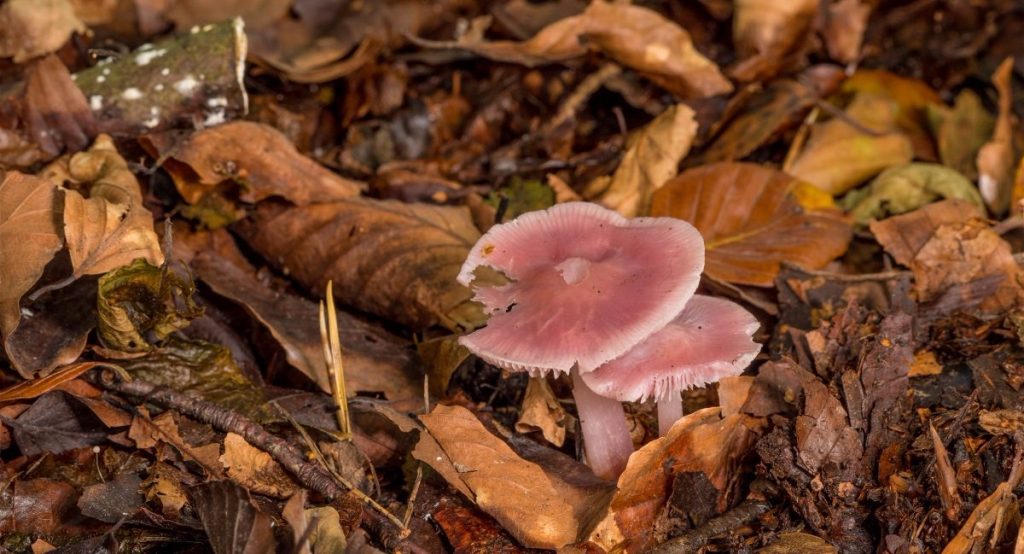
[attachment=4]Fungi_3.jpg[/attachment] This yellow fungi was growing below an area with mixed Pine, Beech, Ash and Birch trees:
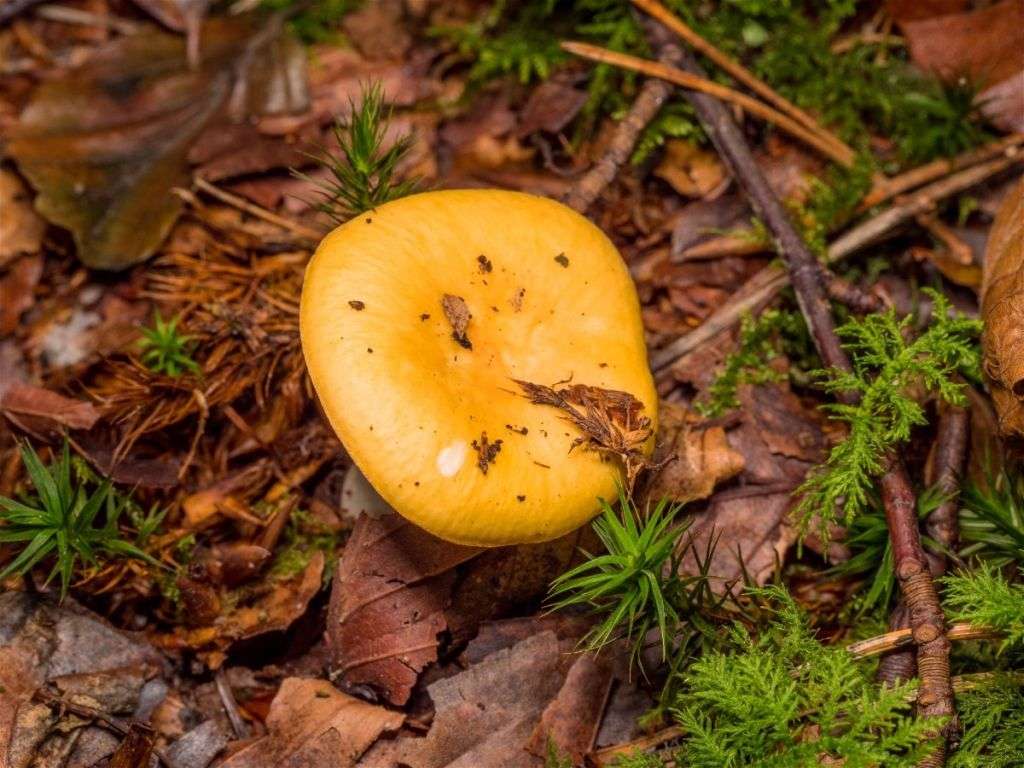
[attachment=2]Yellow_Fungi_Top.jpg[/attachment] 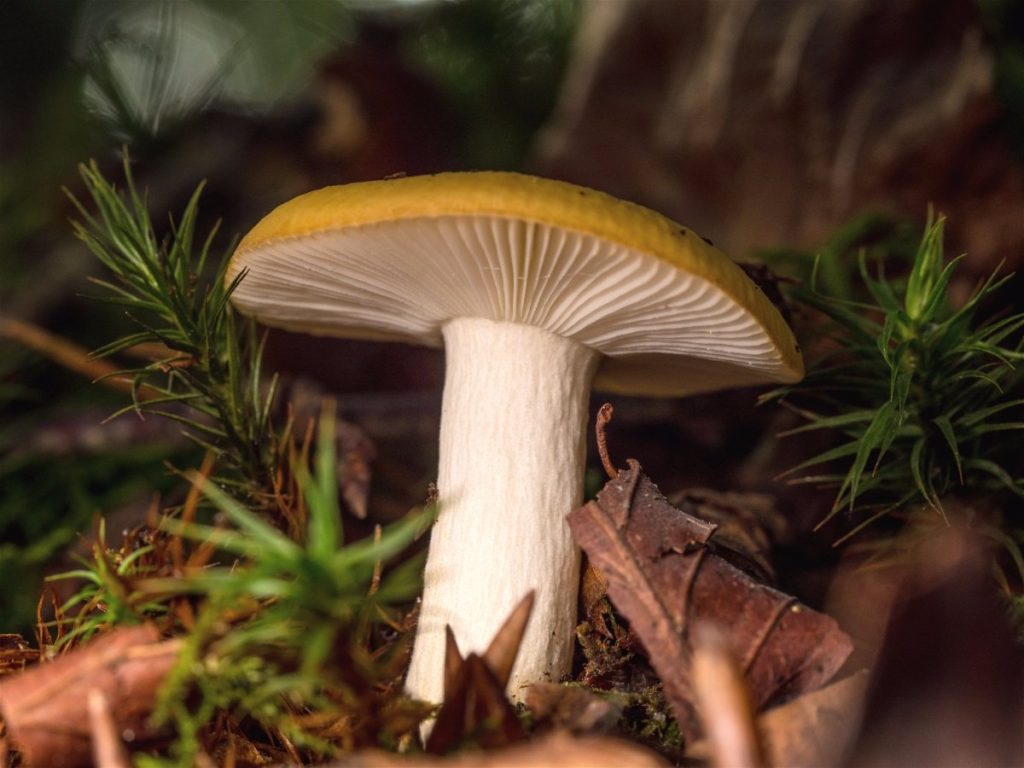
[attachment=3]Yellow_Fungi_Side.jpg[/attachment] This purple one I found under some beech trees:
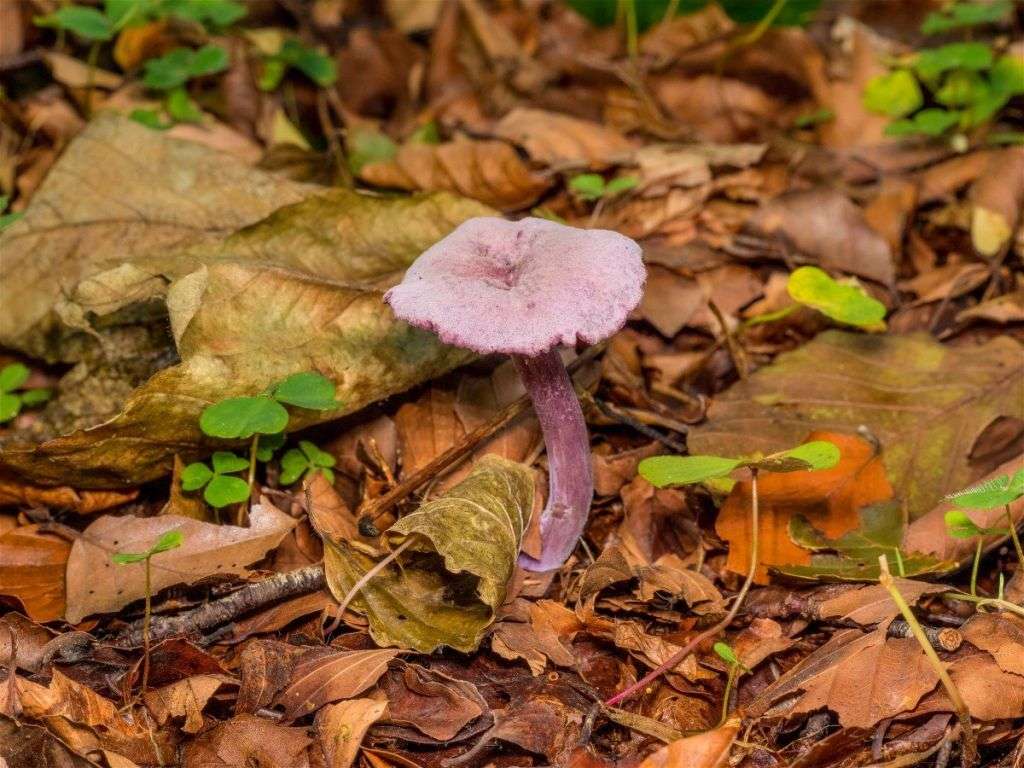
[attachment=1]PurpleFungi.jpg[/attachment] Glistening Ink Cap?

[attachment=0]GlistInkCap.jpg[/attachment] I have more to ID/confirm, I’ll post them when I have edited the images.
November 8, 2017 at 3:19 am #40490Hi the singular is fungus – i.e. “this
fungus“, not “this fungi” . . . you will appreciate that shots in the field are not always enough for identifications (though your photographs are better than many)
if #1-3 were in a better state I would suggest
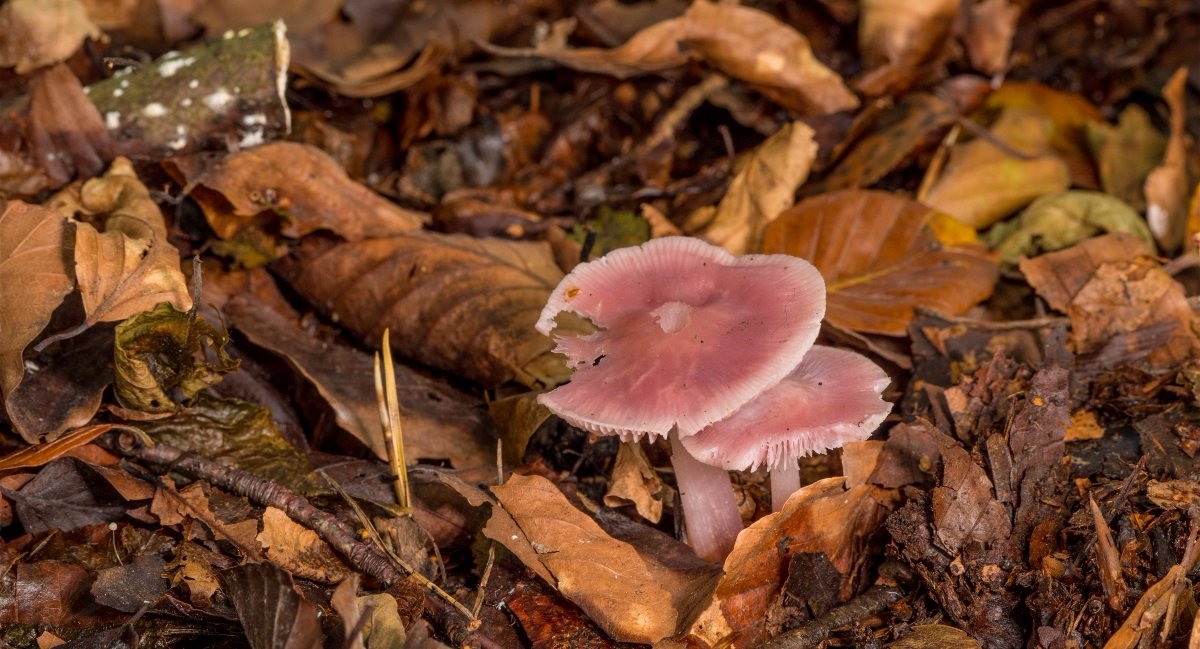
Oudemansiella mucida#4 could well be
Mycena rosea#5/6 is a
Russula– not an easy genus – might be the common R. ochroleuca, but . . . #7
Laccaria amethystina#8 yes almost certainly
Coprinellus micaceusNovember 8, 2017 at 2:40 pm #40491And I would agree with all Chris’ suggestions. Mal
November 8, 2017 at 4:23 pm #40492Thanks for the help, yes your right its fungus not fungi for single ones. I’ll remember in future. I have some more I need help to ID: Trametes versicolor? Found these all over a fallen beech tree:
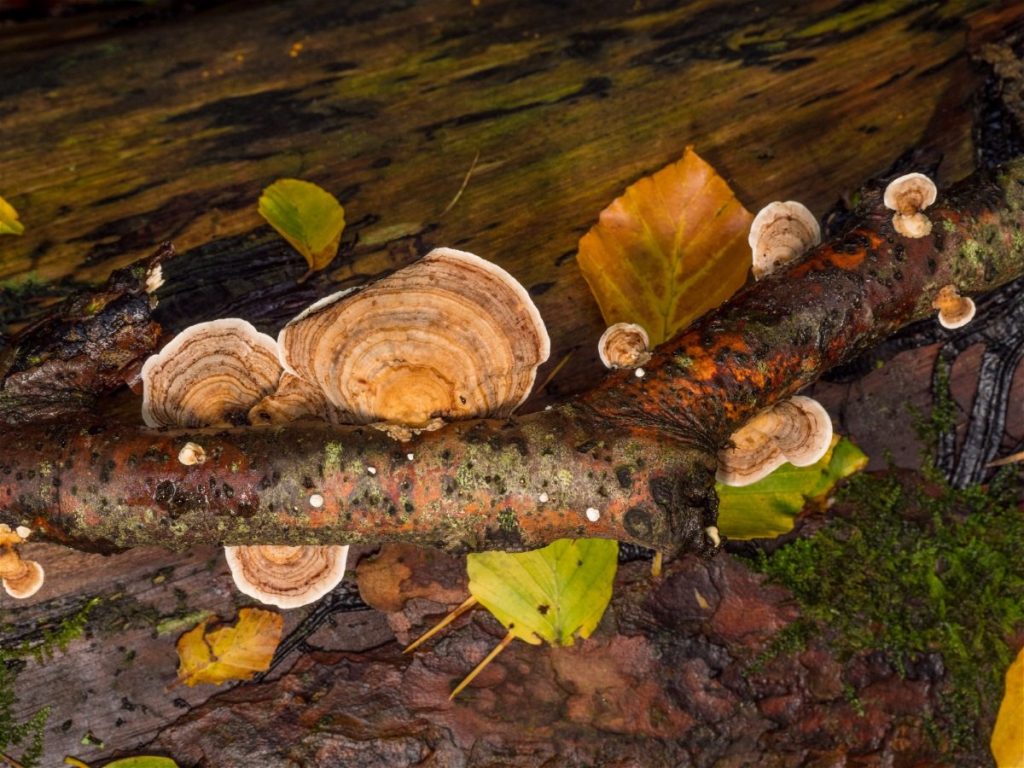
[attachment=4]Bracket Fungi on Beech.jpg[/attachment] Oudemansiella mucida?
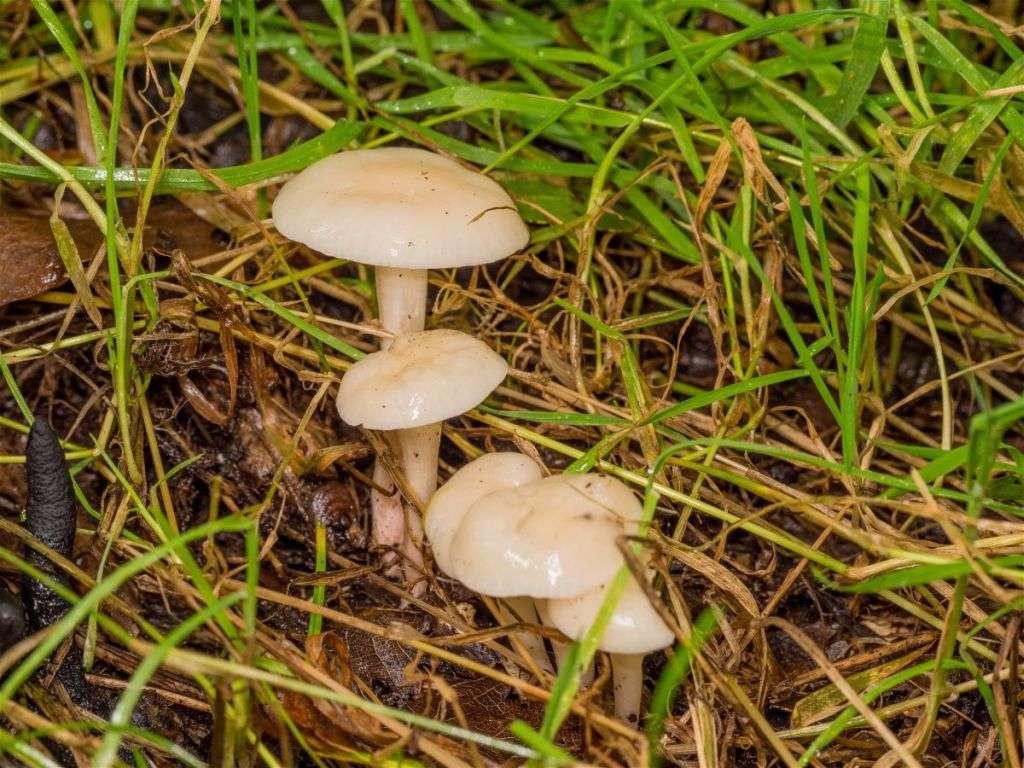
[attachment=3]SlimeFungi1.jpg[/attachment] 
[attachment=2]SlimeFungus_Underside.jpg[/attachment] This was growing on the same fallen beech tree as the first image of the bracket fungi.

[attachment=1]JellylikeFungi.jpg[/attachment] 
[attachment=0]JellylikeFungiClose.jpg[/attachment] November 8, 2017 at 5:05 pm #40493The white one with the gills: O. mucidahas a ring and grows on Beech wood. Was this attached to wood or growing on soil/litter? To me it looks like an Hygrophorus sp. (Wood Wax) – which doesn’t grow attached to wood.
There are several white species of Hygrophorus that have viscid caps like Oudemansiella.
November 8, 2017 at 5:42 pm #40494The last two show a species of Peziza, perhaps most likely one of the so-called “complex” around P. varia. This is however a very tricky area, even with the use of a microscope – which is essential for these fungi. There is a paper here which may give some idea of the complexity: https://dash.harvard.edu/bitstream/handle/1/3153301/Pfister_PhylogeneticDiversityCore.pdf?sequence=1 ” class=”bbcode_url”> https://dash.harvard.edu/bitstream/handle/1/3153301/Pfister_PhylogeneticDiversityCore.pdf?sequence=1 regards
Chris
November 8, 2017 at 9:14 pm #40495roy betts wrote:
The white one with the gills:O. mucidahas a ring and grows on Beech wood. Was this attached to wood or growing on soil/litter? To me it looks like an Hygrophorus sp. (Wood Wax) – which doesn’t grow attached to wood.
There are several white species of Hygrophorus that have viscid caps like Oudemansiella.
It was growing out of the soil at the edge of a woodland, not from a hidden bit of wood, so could be wood wax as from the images I have seen, it looks more like it.
Chris Yeates wrote:
The last two show a species ofPeziza, perhaps most likely one of the so-called “complex” around P. varia. This is however a very tricky area, even with the use of a microscope – which is essential for these fungi. There is a paper here which may give some idea of the complexity: https://dash.harvard.edu/bitstream/handle/1/3153301/Pfister_PhylogeneticDiversityCore.pdf?sequence=1 ” class=”bbcode_url”> https://dash.harvard.edu/bitstream/handle/1/3153301/Pfister_PhylogeneticDiversityCore.pdf?sequence=1 regards
Chris
Thanks for the link. Seems I have a lot to learn when it comes to identifying fungi.
November 8, 2017 at 11:27 pm #40496DaveMcC wrote:Thanks for the link. Seems I have a lot to learn when it comes to identifying fungi.
It never ends…. c

-
AuthorPosts



- You must be logged in to reply to this topic.