- This topic is empty.
-
AuthorPosts
-
December 16, 2019 at 8:43 am #31562
Cladonia borealisis a species in the difficult Cladonia cocciferas. lat. group (red pixiecups), which I have collected a couple of times as confirmed by TLC. However, I had no clear search image for the species as the specimens ended up in national collections after TLC. (Hint it is a good idea to keep part of the specimen and or take photos before sending them off for identification, that way valuable specimens can be retained in national collections and you have some idea of what you collected). It is chemically distinctive having barbatic acid, but there is no field test for this lichen acid. It does appear to be regarded as distinguishable on macro characters in areas where it is frequent as in Scandinavia but it is not understood much in Britain. Anyway after reading the Cladonia borealisdescription in the Nordic Lichen Flora and listening to a talk given by Raquel Pino-Bodas, of Kew, I begun to get a better idea of the main distinctive feature of Cladonia borealis: the base of the podetia should be areolate and broken into flat plates, which can be lifted at the edges, but these should not break into granules higher up. Looking out for this character I collected some very promising material from humus over granite slabs at Helman Tor, Cornwall and sent in to Raquel for TLCing. The results have just come back, it contained barbatic acid and was
Cladonia borealis. This time I made some scans of the material before sending it: 
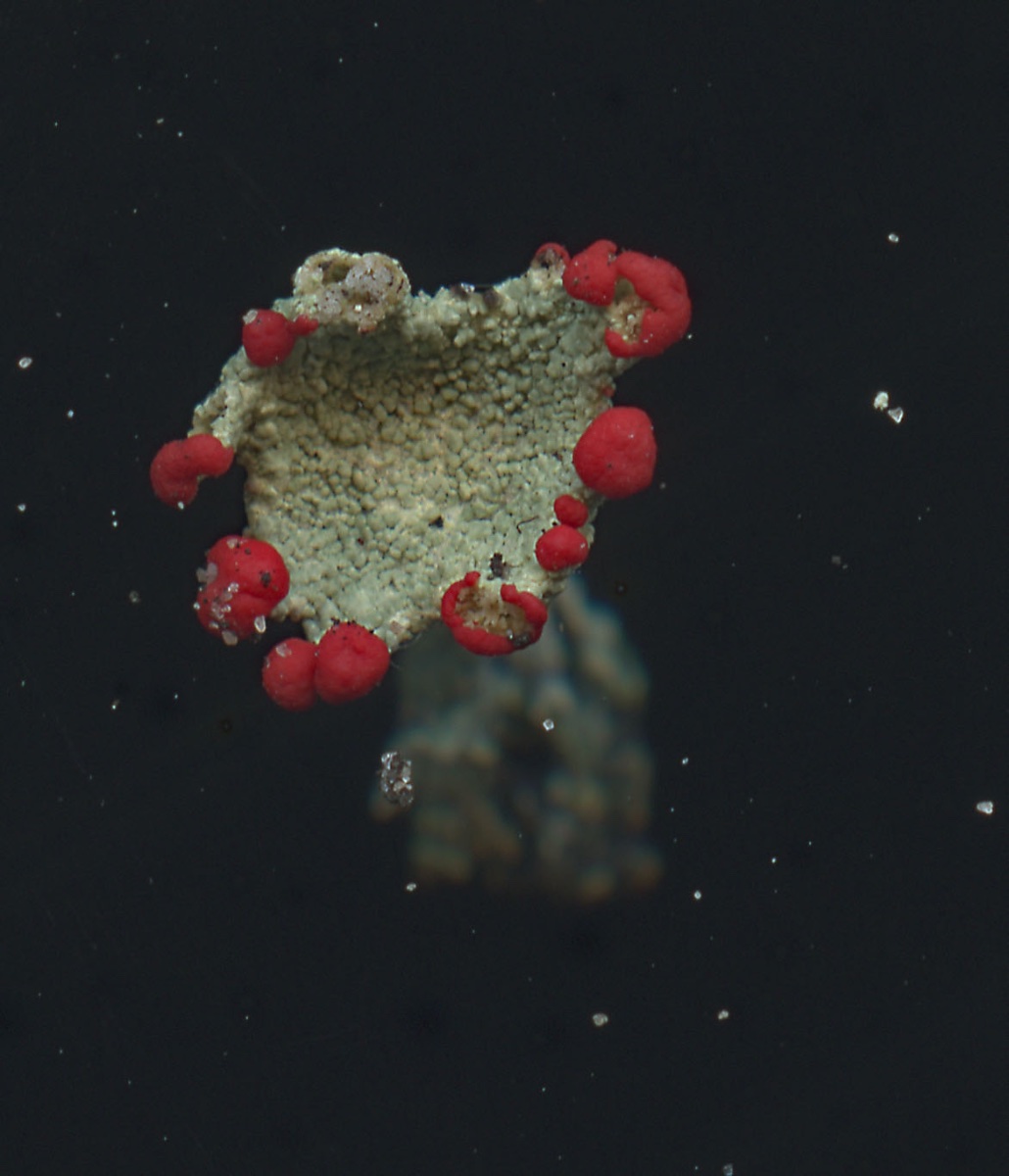
[attachment=3]2019-10-11-07.jpg[/attachment]
Cladonia borealis, Helman Tor, Cornwall, the material has wide cups with bullate squamules inside the cup, so not Cladonia diversabut Cladonia cocciferas. str. can be similar 
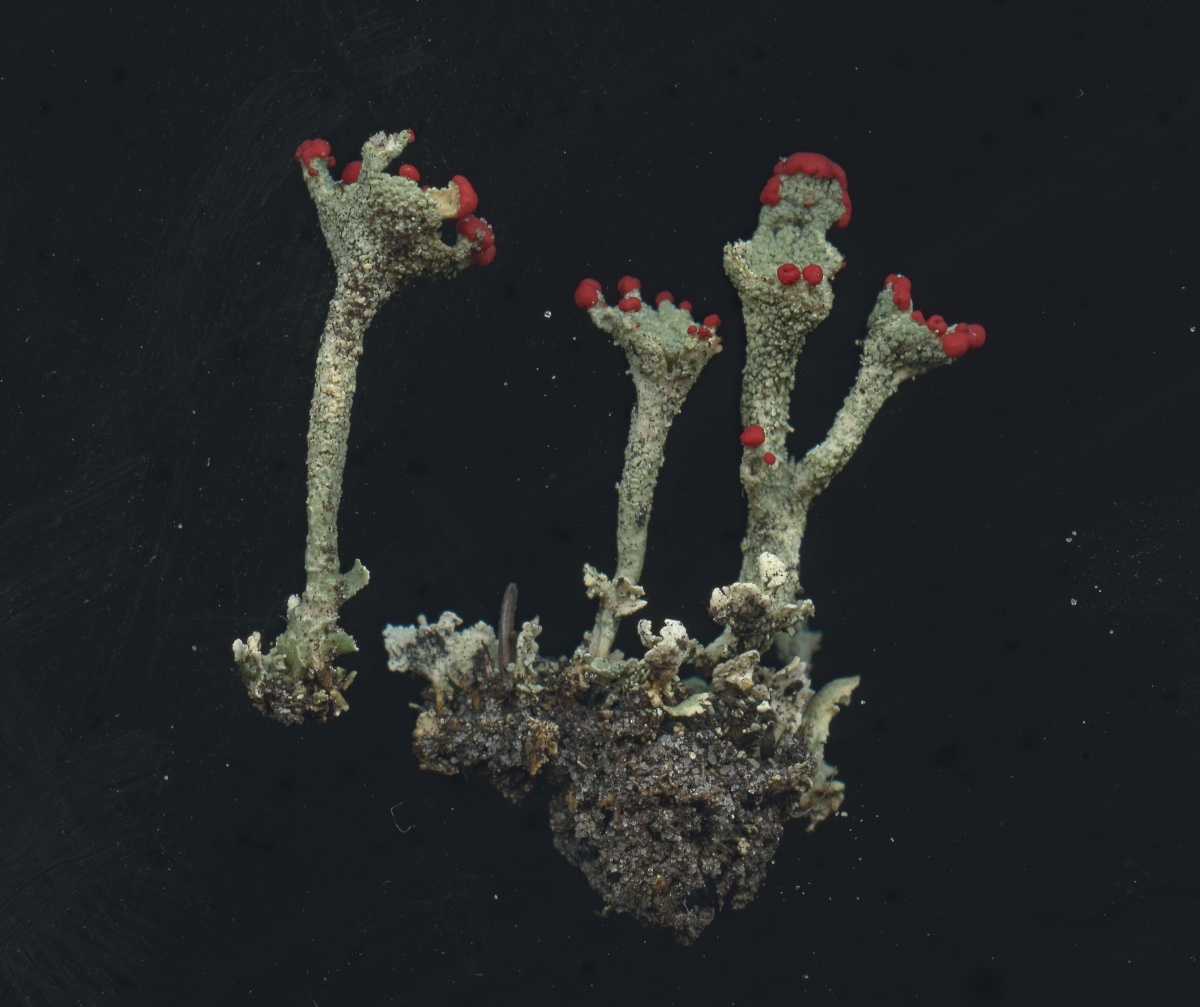
[attachment=2]2019-10-11-06.jpg[/attachment]
Cladonia borealis, Helman Tor, Cornwall, the areolate lower podetia, braking into wide flat plates, but not developing into granules higher up For comparison here are two scans of
Cladonia cocciferas. str. From the New Forest, which Raquel TLCed at the same time 
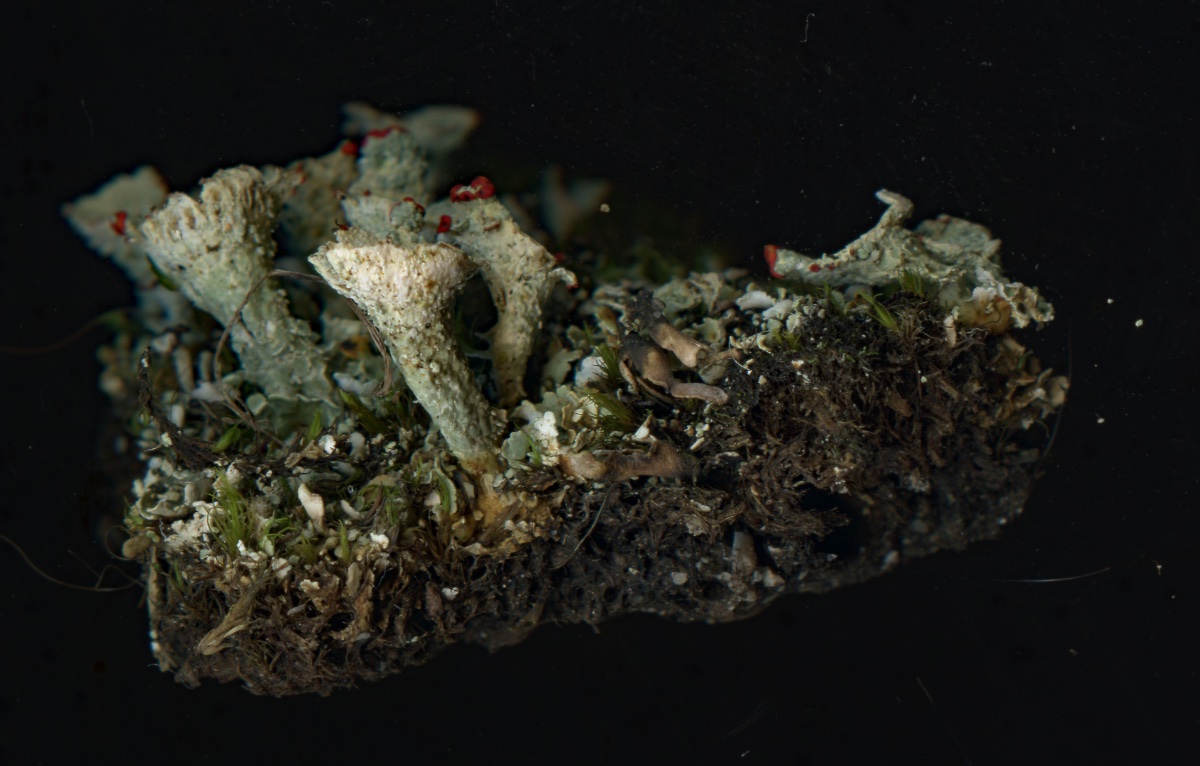
[attachment=1]2019-09-25-02.jpg[/attachment]
Cladonia cocciferas. str. Longwater Lawn, New Forest, also with bullate squamules inside the cup 
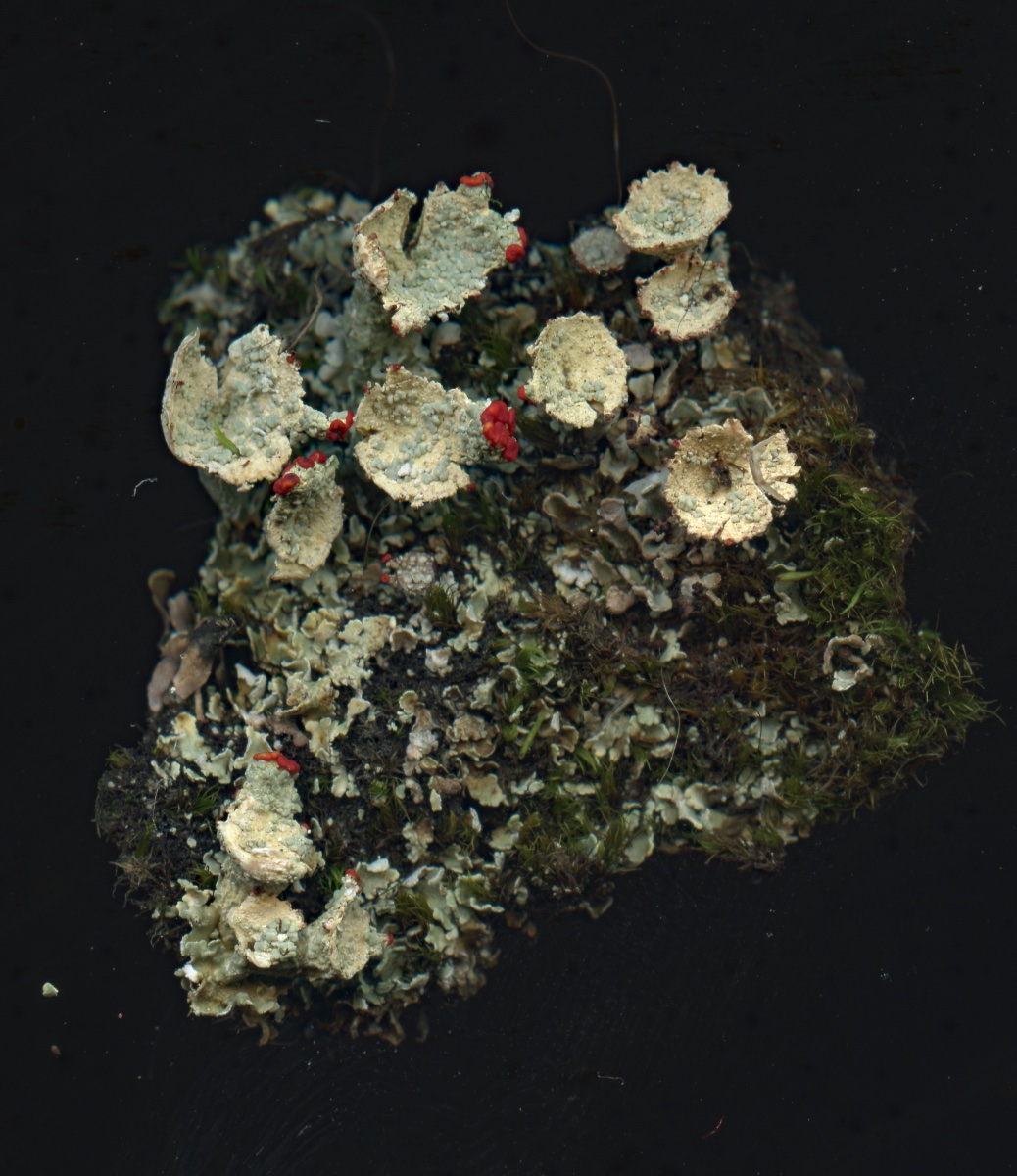
[attachment=0]2019-09-25-01.jpg[/attachment]
Cladonia cocciferas. str. Longwater Lawn, New Forest, this was collected as it had some what similar areolate plates lower down on the podetia, but these break down into granules higher up. I think I am beginning to get there with the red pixiecups.
Neil
-
AuthorPosts

- You must be logged in to reply to this topic.