- This topic is empty.
-
AuthorPosts
-
September 24, 2024 at 3:37 pm #32885
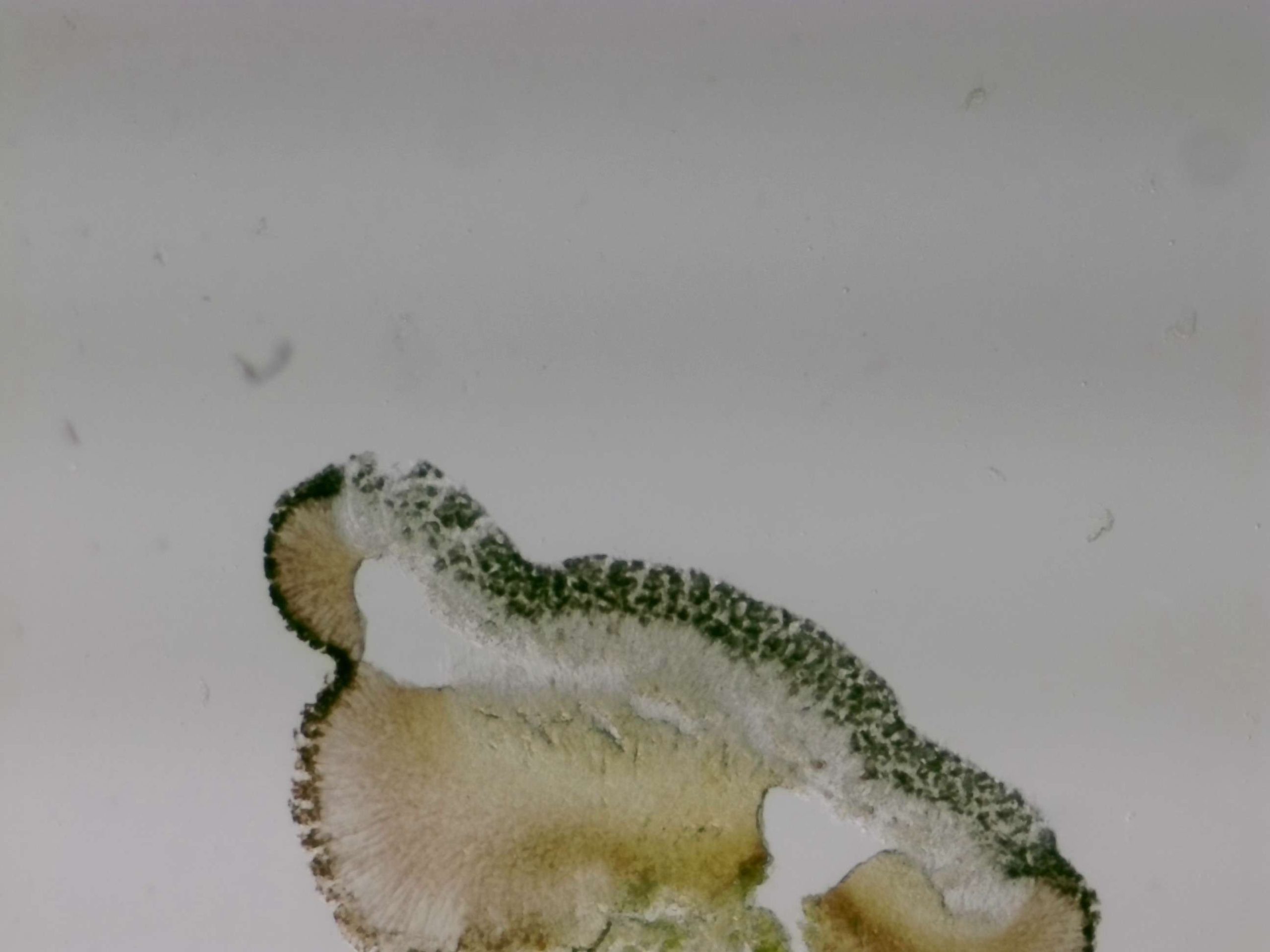
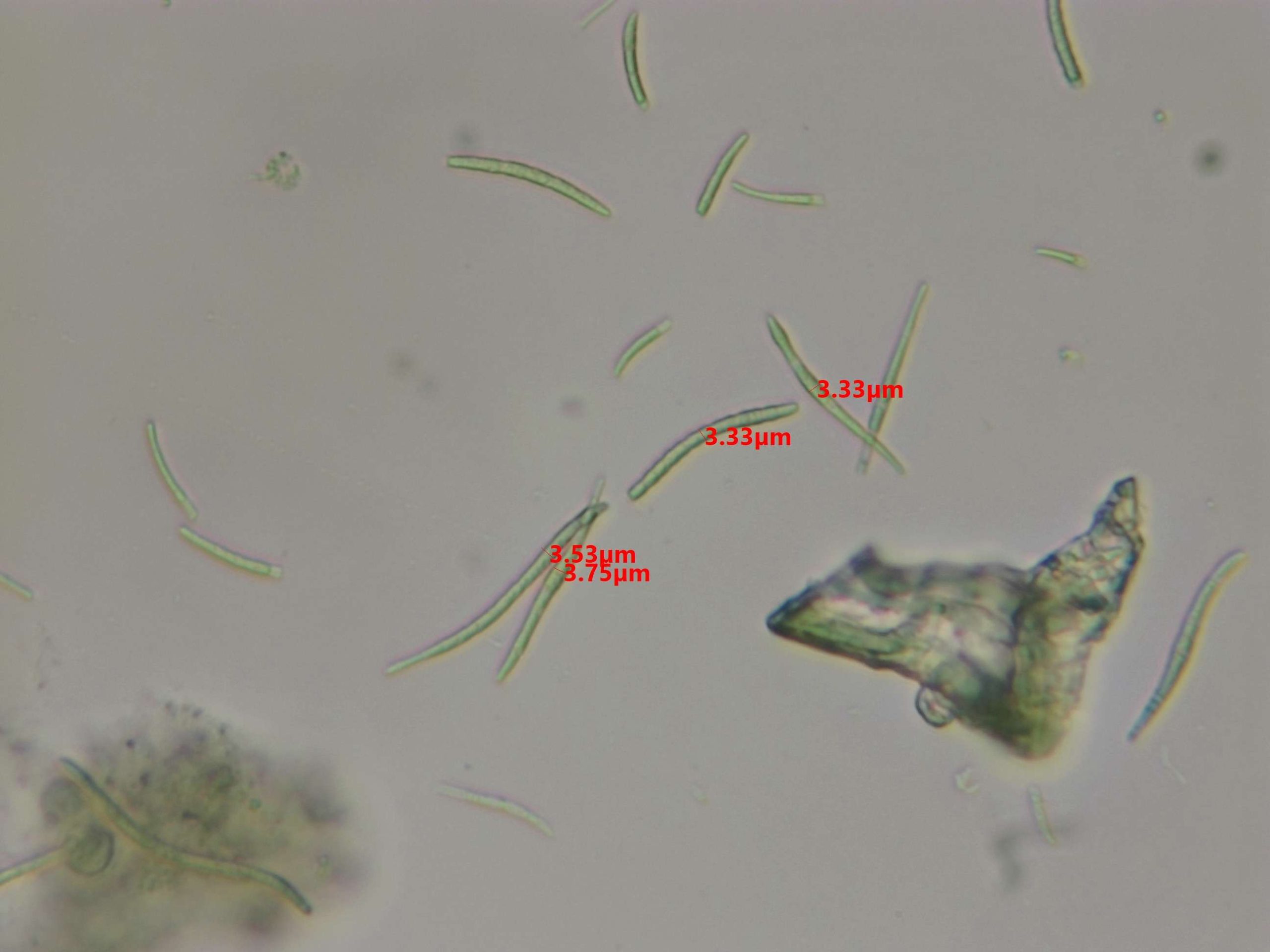
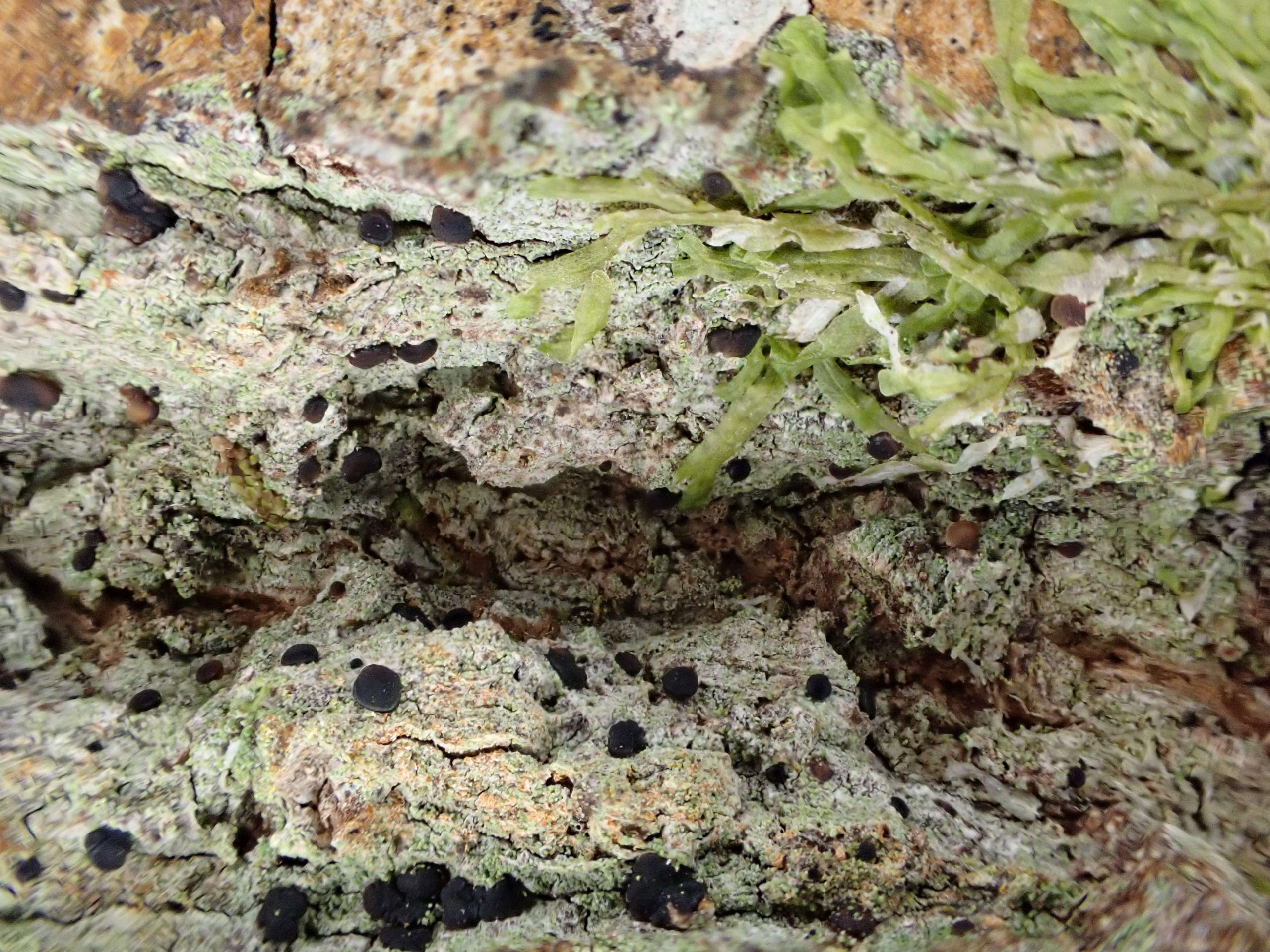
Collected during the Cumbria Lichens outing to Lodore, Borrowdale last week. On sessile oak bark. Very long spores 40 to more than 70mu mainly 55-70 mu x 3-3.75 mu. I sectioned a pale apothecium that seemed to key to Bacidia laurocerasi and go a little purple with K, but sections of an almost black apothecium definitely had an epithicium that turned green when infused with K so keyed to Bacidia absistens. There was no K+ purple reaction of the apothecial rim in either light or dark apothecia. This is not common in England but interestingly one of the 2 existing Cumbrian records is from nearby at NY2721 from 1990 and the same monad has a record of B. laurocerasi , one of only 3 Cumbrian records from 2002.

[attachment=4]b absistens 2.jpg[/attachment] 
[attachment=3]bacidia spores short.jpg[/attachment] 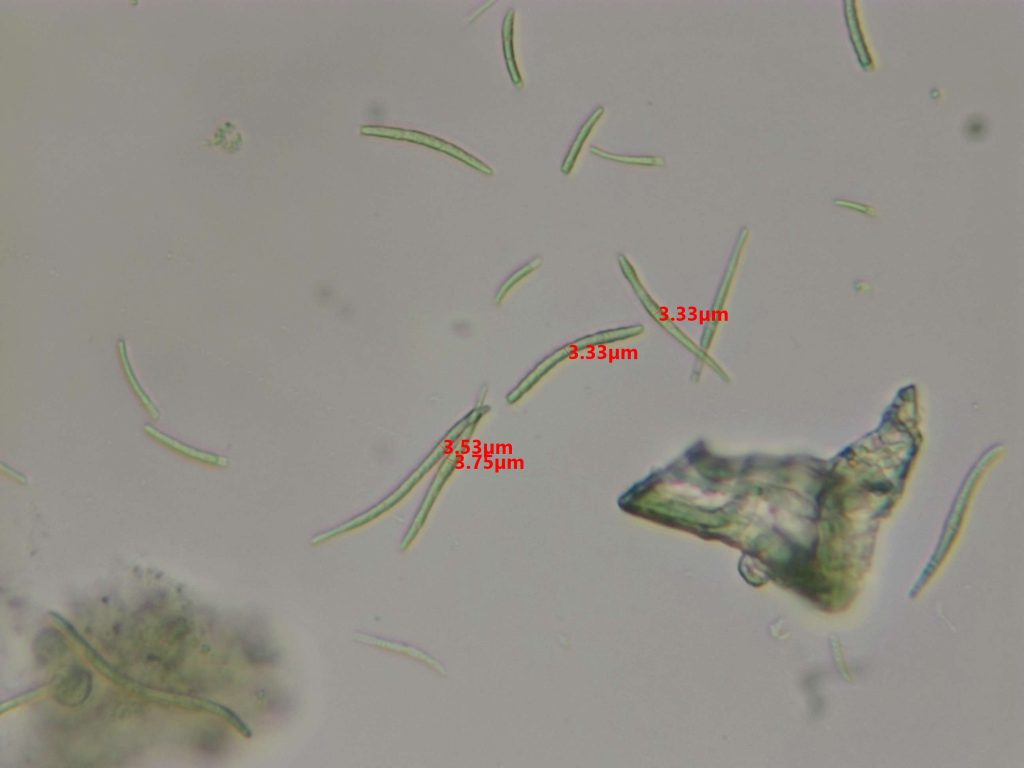
[attachment=2]Bacidia spores width.jpg[/attachment] 
[attachment=1]Bacidia spores.jpg[/attachment] 
[attachment=0]P9190027.JPG[/attachment] September 25, 2024 at 7:30 am #46228Peter Yes that looks fine, as long as the thallus is not granular, which I can not quite make out, then it could be
Bacidia caesiovirenshttps://www.cambridge.org/core/journals/lichenologist/article/bacidia-caesiovirens-a-new-lichen-species-from-western-europe/F6B961C8357DA7C6DE7DC9166D739F4E ” class=”bbcode_url”> https://www.cambridge.org/core/journals/lichenologist/article/bacidia-caesiovirens-a-new-lichen-species-from-western-europe/F6B961C8357DA7C6DE7DC9166D739F4E Bacidia biatorinabut with a blueish tinge, but the granules could be partly suppressed by the apothecia). One other option would be Bacidia endoleucoideshttps://nsojournals.onlinelibrary.wiley.com/doi/10.1111/njb.03055 ” class=”bbcode_url”> https://nsojournals.onlinelibrary.wiley.com/doi/10.1111/njb.03055 Bacidia absistensrecords in the south east are probably errors for this, but I have not done the work to prove this yet. As a southern oceanic species there is the potential for this species to account for scattered Bacidia absistensrecords as far as the Lake District. That however, has the upper hypothecium distinctly yellow-brown, which yours has not. (Interestingly this cross section https://www.gbif.org/occurrence/4461629980https://www.gbif.org/occurrence/4461629980” class=”bbcode_url”> Bacidia absistensfrom northern Spain is clearly Bacidia endoleucoides). So this is useful as your find clarifies the identity of the Lake District material. One feature that
Bacidia caesiovirensand Bacidia endoleucoidesshare is the the lack of crystalline inclusions in the exciple (polarised light in water), while Bacidia absistenshas abundant minute colourless crystalline inclusions (K soluble) in the exciple. So it would be useful to have a look under polarising light to confirm. Neil
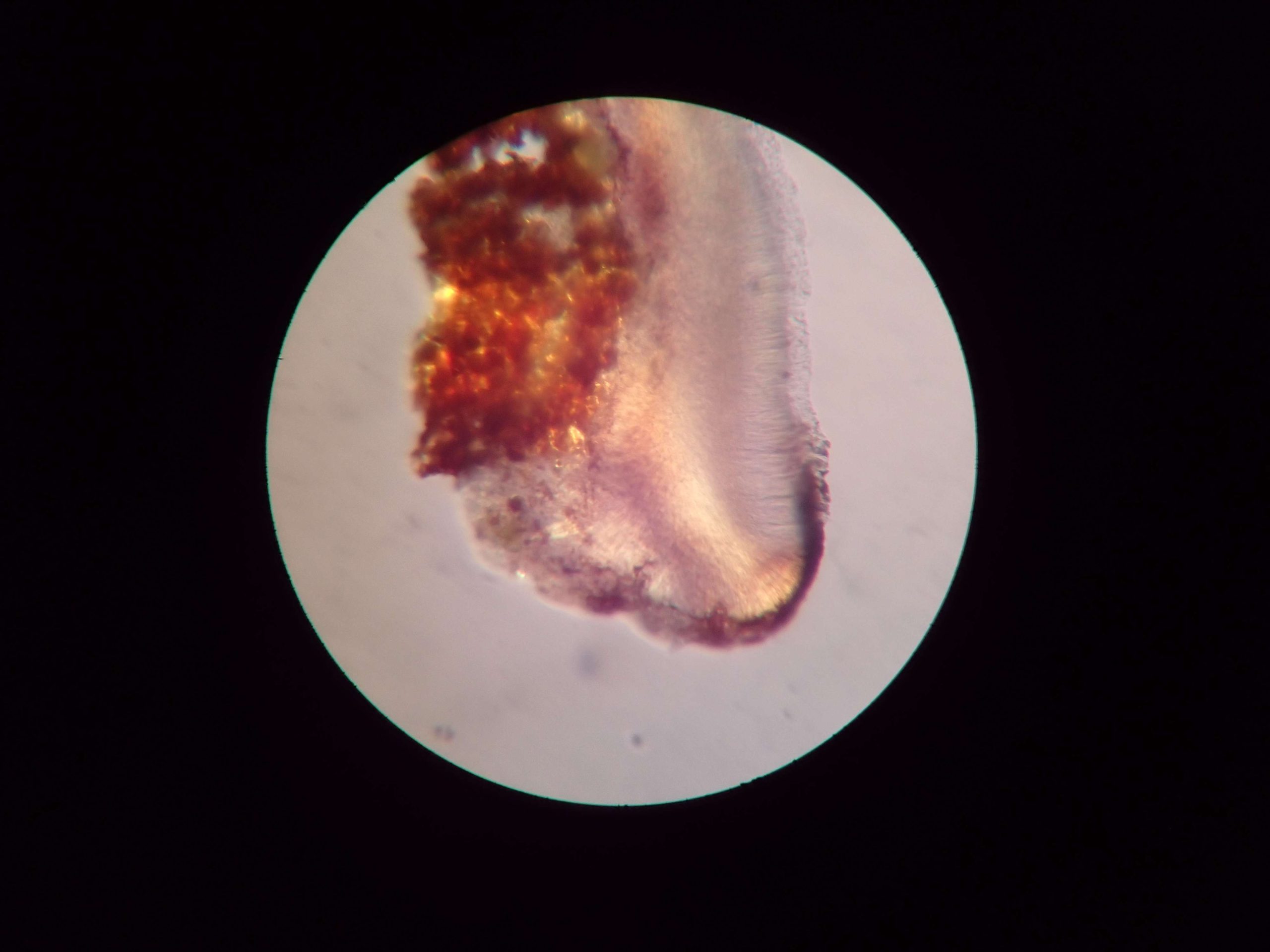
September 27, 2024 at 3:56 pm #46229I’ve got a bit of a Heath-Robinson polarising set up of an old SLR polarising filter over the light source and an old piece of polarising sunglass lens over the coverslip. It works to x200 for Lecanora crystals. At x400 the working distance is too short to fit my slip of plastic between the objective an the specimen. However, it does appear to me that there are small polarising crystals in the exiple because there is a generalised glow from that area not seen in the hymenium. I’ve tried to show this in the photos. My camera doesn’t like the dark polarised field and increases the exposure to compensate thereby reducing the effect. These are 2 different sections the x100 pair shows a dark area top right of the exciple which is where it had been affected by K before sectioning 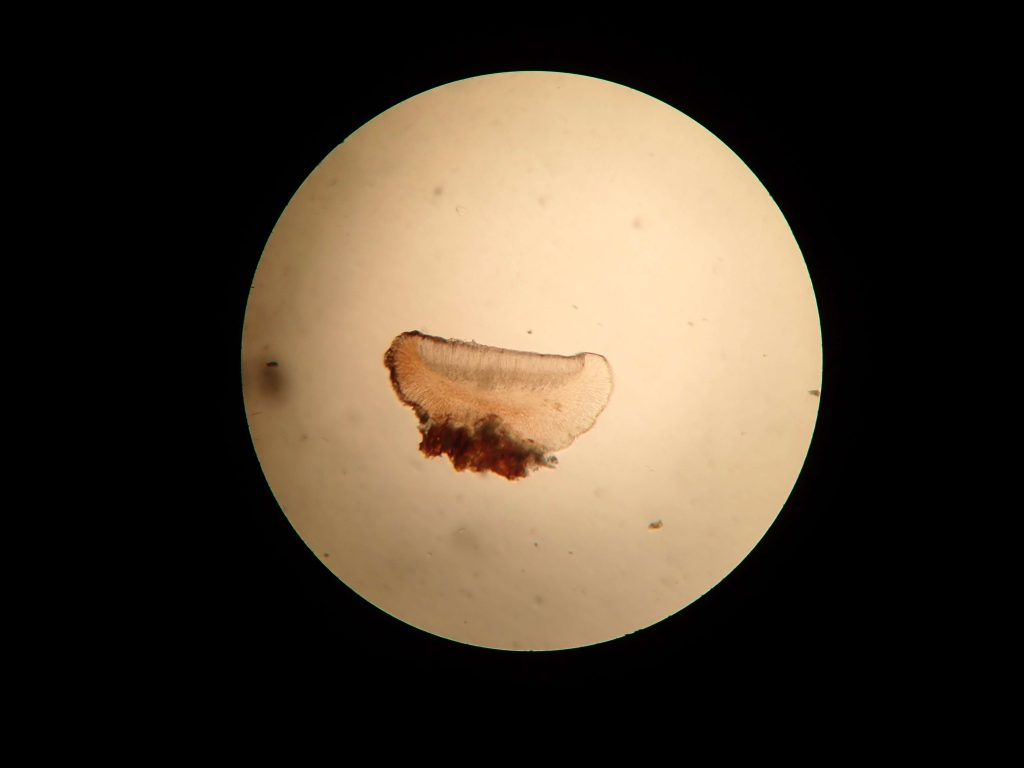
[attachment=1]P9270002.JPG[/attachment] 
[attachment=0]P9270001.JPG[/attachment] 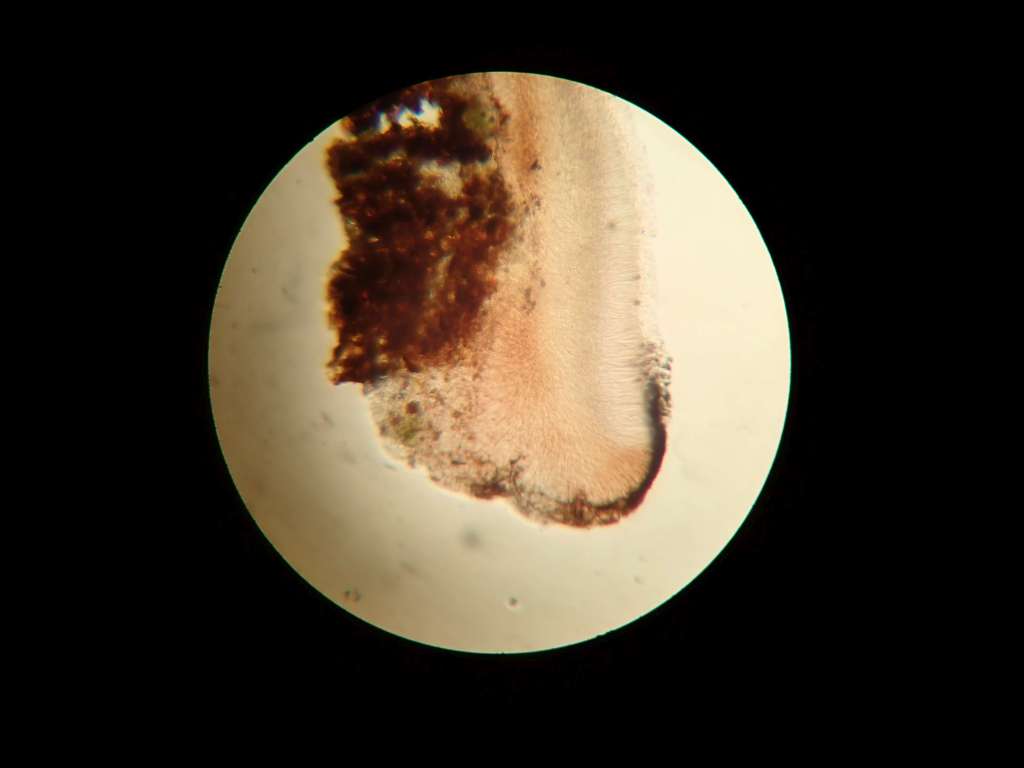
[attachment=3]P9270074 (2).JPG[/attachment] 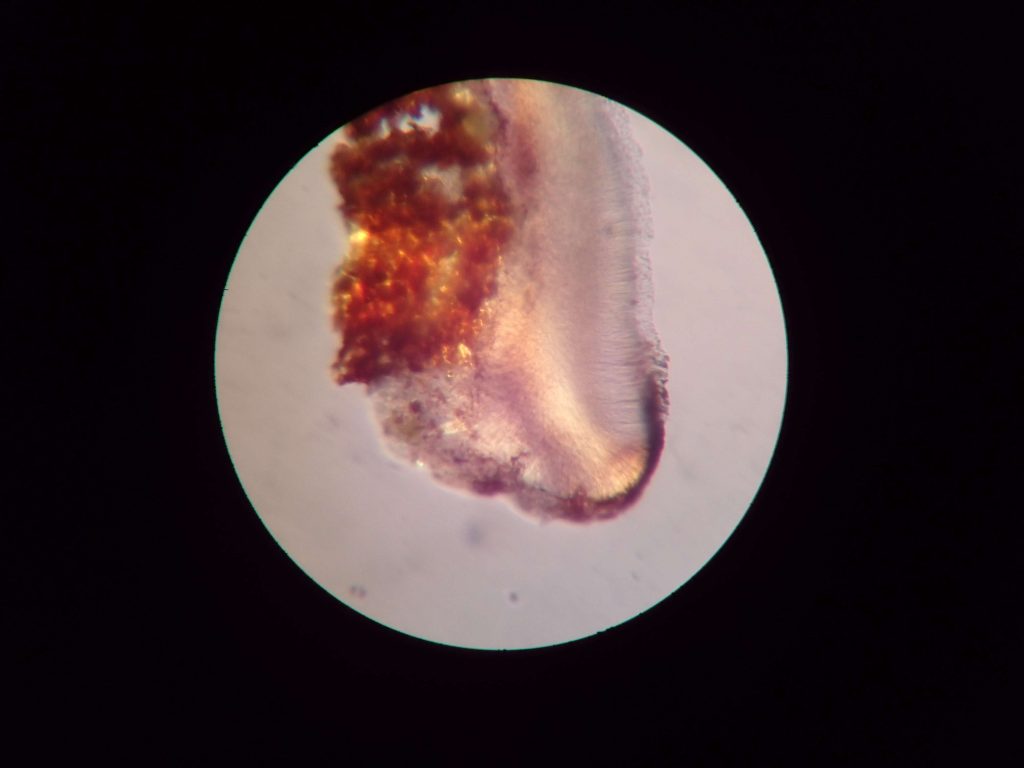
[attachment=2]P9270073 (2).JPG[/attachment] -
AuthorPosts





- You must be logged in to reply to this topic.