
Lecanora on a pear twig, Warwickshire
- This topic is empty.
-
AuthorPosts
-
April 2, 2023 at 4:44 pm #32593
On a pear twig, Warwickshire. 
[attachment=0]9727AAD7-21A7-4B50-B337-E8E4787D5115.jpeg[/attachment] This looked and tested like the Newtonmore possible L hybocarpa posted previously, but a bit further along the same twig was also a more porridge-like thallus. (Think I remember something suggesting that L sinuosa might be a form of hybocarpa?) It tests the same as the L hybocarpa (can’t really see a UV reaction because the discs are hard to see), and the crystals look the same.
[attachment=6]7ACE9CF5-BF1C-47C2-AE53-7B651CF8AB10.jpeg[/attachment] 
[attachment=5]DDDD49A2-2258-4DA6-8AC8-5F3D6D9D8659.jpeg[/attachment] 
[attachment=4]4A8E565C-D1F3-44A4-B08B-40C112E3C691.jpeg[/attachment] 
[attachment=3]7A6B2767-B648-4CB3-9F55-C1F5D0192B25.jpeg[/attachment] 
[attachment=2]76D8341A-E07E-4BE1-AE52-5760F016966A.jpeg[/attachment] 
[attachment=1]3C7EECDC-5ABF-433A-8EBA-1C8F17E867C6.jpeg[/attachment] April 3, 2023 at 10:09 am #45396I’m not sure that your Lecanorawith a ‘porridge-like thallus’ is sufficiently distinctive to call it L. sinuosa. On the very rare occasions that I have recorded L. sinuosa, it has seemed particularly distinctive. In the photo below is what I recorded as L. sinuosa(with L. hybocarpato its right). 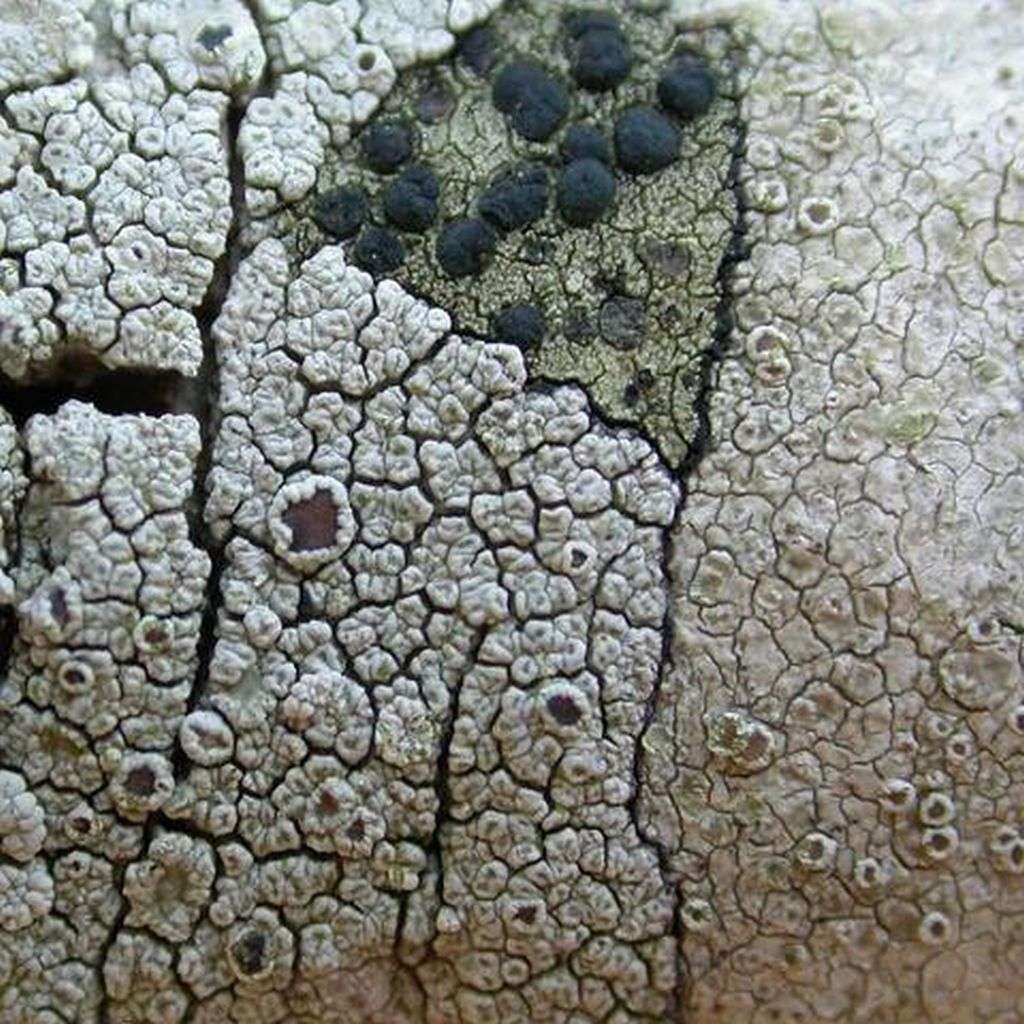
[attachment=1]Lecanora-sinuosa4324n.jpg[/attachment] We are given a bit of guidance in LGBI3 but I think many recorders will remain unsure which specimens to record as
L. sinuosa. 
[attachment=0]Screenshot 2023-04-03 10.56.51 AM.png[/attachment] I often wish we had a checklist for each taxon, a list of the characters which we need to observe in order to justify naming a specimen as that taxon. In practise, we have to read the descriptions and make a judgement (leading to inconsistent recording because some lichenologists are more rigorous, and different lichenologists will place different weights on the various characters).
I think my approach with your specimen would to be file it as a funny form of
L. hybocarpa, possibly L. sinuosabut not recorded as the latter. I would be happy if others think I am being too dismissive of your suggestion and are prepared to confirm it as L. sinuosa. April 3, 2023 at 10:44 am #45397I’m happy with that – my first thought was that it was just a lumpier, maybe earlier stage thallus where the apothecia hadn’t fully developed April 6, 2023 at 8:28 pm #45398I agree it is not quite classic Lecanora sinuosa, but I strongly suspect that Lecanora sinuosawill go the way of Lecanora rugosellaand prove to be just a morph of Lecanora hybocarpa. If so, it would not surprising there is no sharpline deliminating the taxa. However, it is worth recording well developed material untill this is proven. A couple of Lecanora sinuosaphotos: 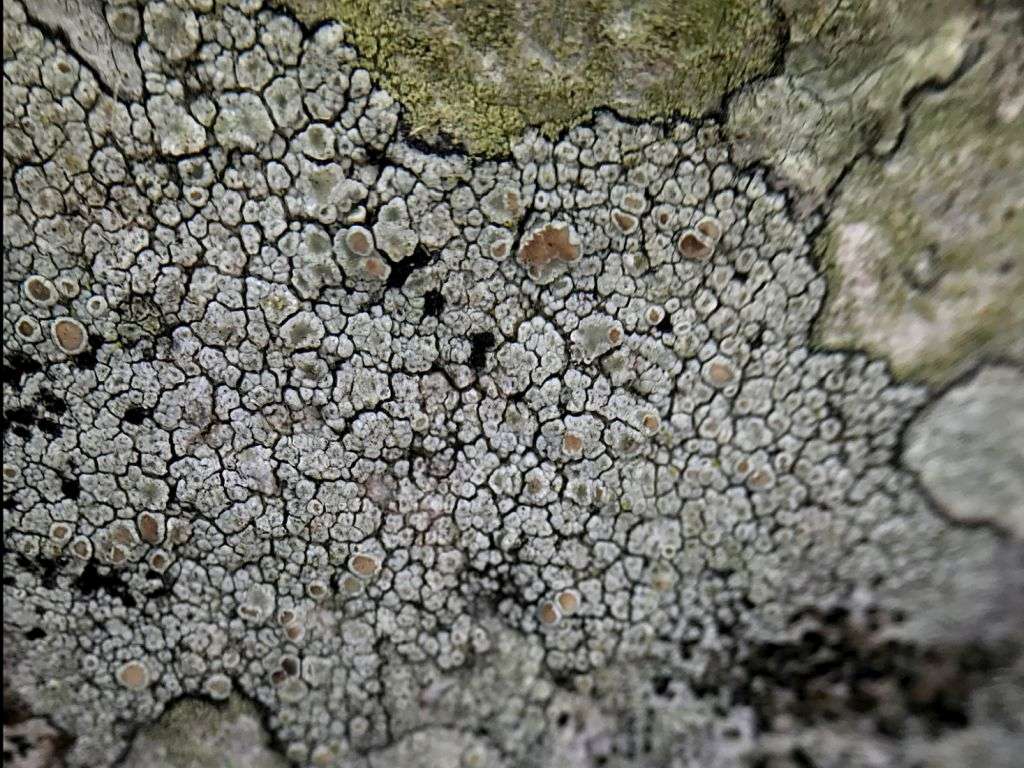
[attachment=1]2017-12-19-01.jpg[/attachment]
Lecanora sinuosa, on Beeech, Long Beech, New Forest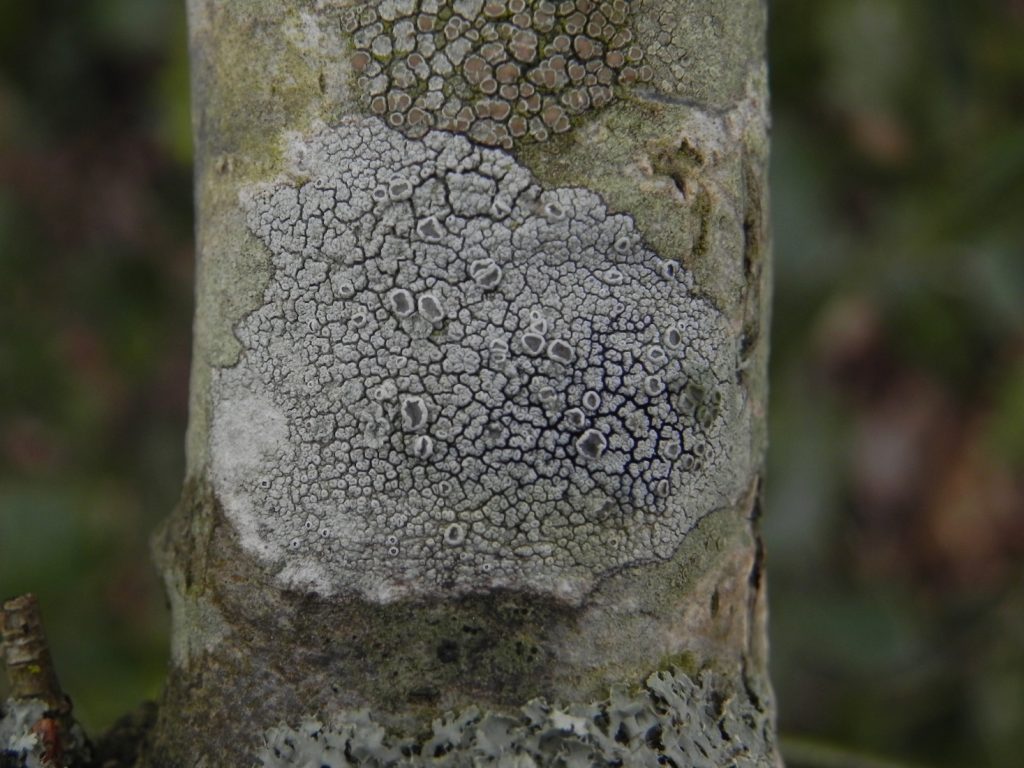
[attachment=0]2013-03-27-13.JPG[/attachment]
On stunted Oak, on shingle beech Browndown, GosportNeil
-
AuthorPosts


- You must be logged in to reply to this topic.