
is this a Typhula
Forums › Forums › Fungi ID requests (post here if you aren’t sure what type of fungus you’ve found) › is this a Typhula
- This topic is empty.
-
AuthorPosts
-
October 19, 2022 at 7:03 pm #32448
I am assuming this to be one of the many typhula, growing on damp bullrush leaves. Doubt it can be positively identified but made a good photo 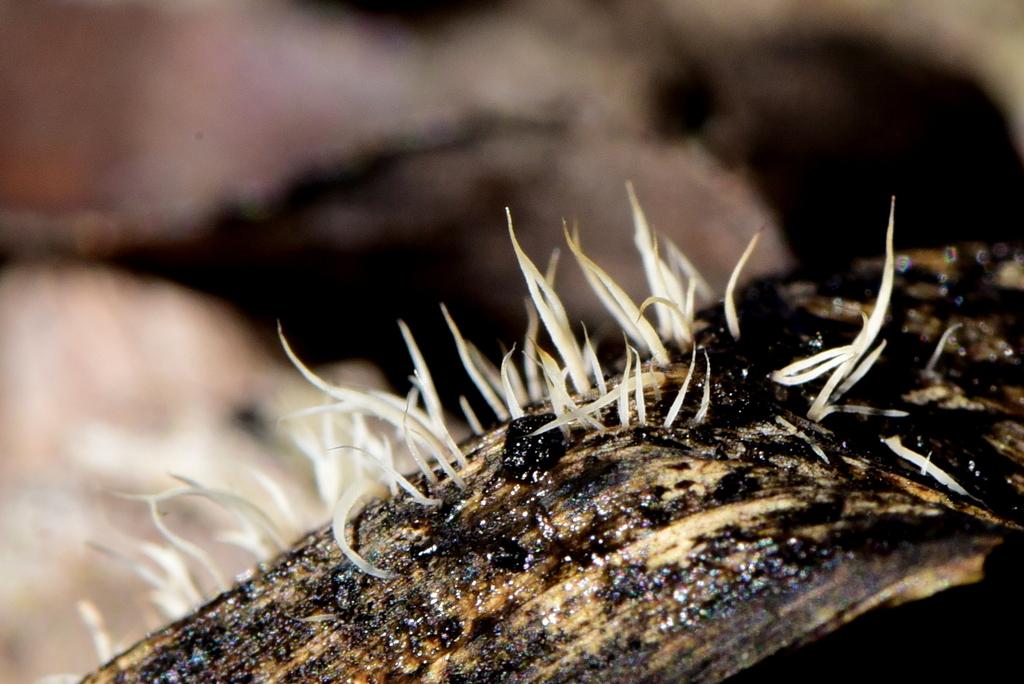
[attachment=1]DSC_3419.JPG[/attachment] 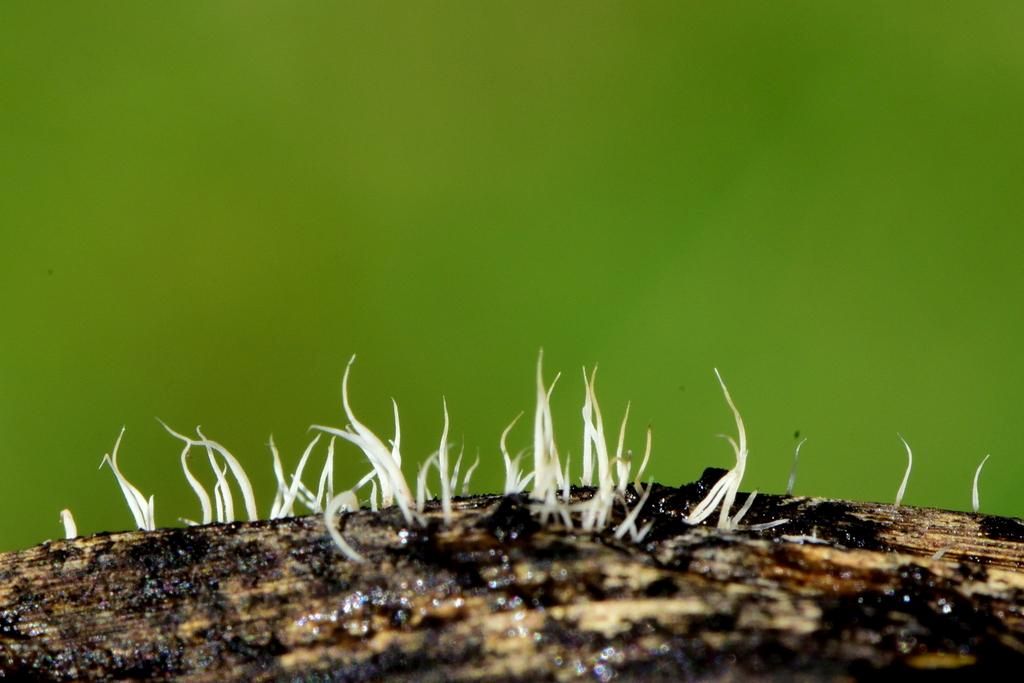
[attachment=0]DSC_3423.JPG[/attachment] October 20, 2022 at 11:16 pm #45041Well-spotted. Typhula fruit bodies are typically club-shaped with a distinct stipe. This looks more like Pterula gracilis. October 21, 2022 at 1:02 pm #45042Peter Roberts wrote:
Well-spotted. Typhula fruit bodies are typically club-shaped with a distinct stipe. This looks more like Pterula gracilis.
Hello Peter,I don’t doubt that John (Wood Wanderer) will acknowledge your reply as soon as he sees it. – But in the meantime, I too acknowledge and add my thanks for your reply.
John’s photo piqued my curiosity, and I was hoping to give some sort of meaningful reply to the query.
I suspected, due to the shape of the fruitbodies, that it probably wasn’t a
Typhulaspecies – but despite a lengthy browsing session with my books and “associated organisms” references etc. etc. I drew a complete blank as to what this might be. Pterula gracilisis yet another species that I’d never consciously been aware of, but with your pointer to that species, and some subsequent looking through the books, I’d just like to say that I have definitely learned something here that I would otherwise have remained blissfully ignorant of! Best regards,
Mike.
October 21, 2022 at 7:13 pm #45043Hi Mike – I’m glad the pointer was helpful. Should be Pterulicium gracile nowadays, by the way. Worth checking damp attached dead stems of pendulous sedge for P. caricis-pendulae which I think is probably quite common, but easily overlooked. October 21, 2022 at 8:54 pm #45044Peter Roberts wrote:
Hi Mike – I’m glad the pointer was helpful. Should be Pterulicium gracile nowadays, by the way. Worth checking damp attached dead stems of pendulous sedge for P. caricis-pendulae which I think is probably quite common, but easily overlooked.
Cheers Peter. – Points noted.
Regards,
Mike.
October 24, 2022 at 6:22 pm #45045Many thanks for your guidance Peter and Mike, surprisingly for me I had come to the same conclusion after several hours delving into my reference books. Not a fungus I am familiar with although I imagine it is quite common although generally semi invisible in the leaf debris … 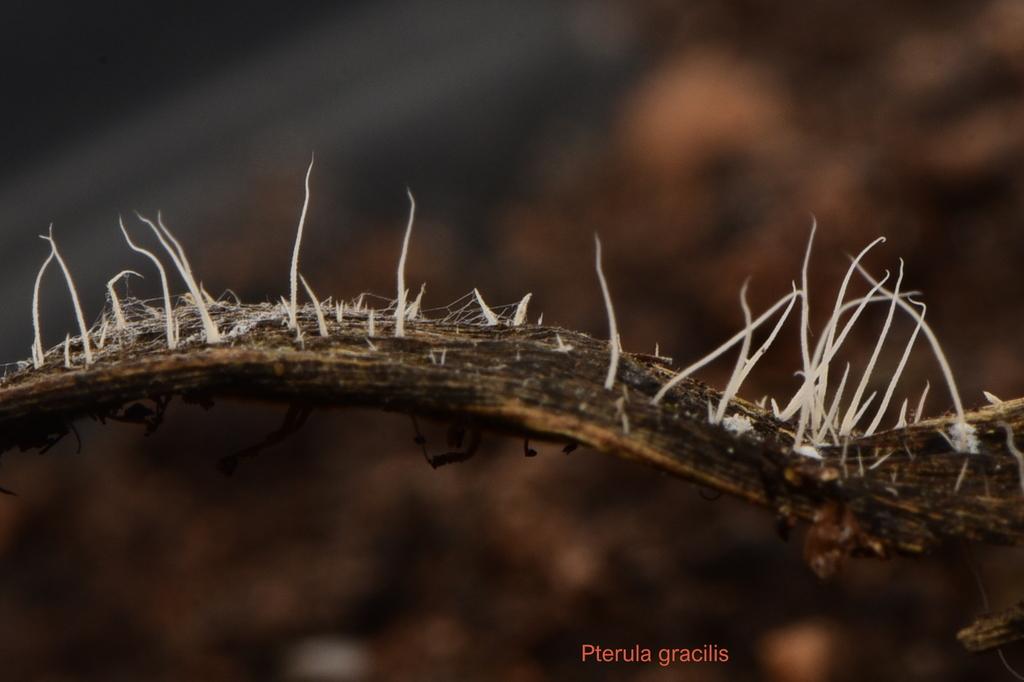
[attachment=0]DSC_3559.JPG[/attachment] regards
John
-
AuthorPosts


- You must be logged in to reply to this topic.