- This topic is empty.
-
AuthorPosts
-
January 23, 2020 at 9:05 pm #31587
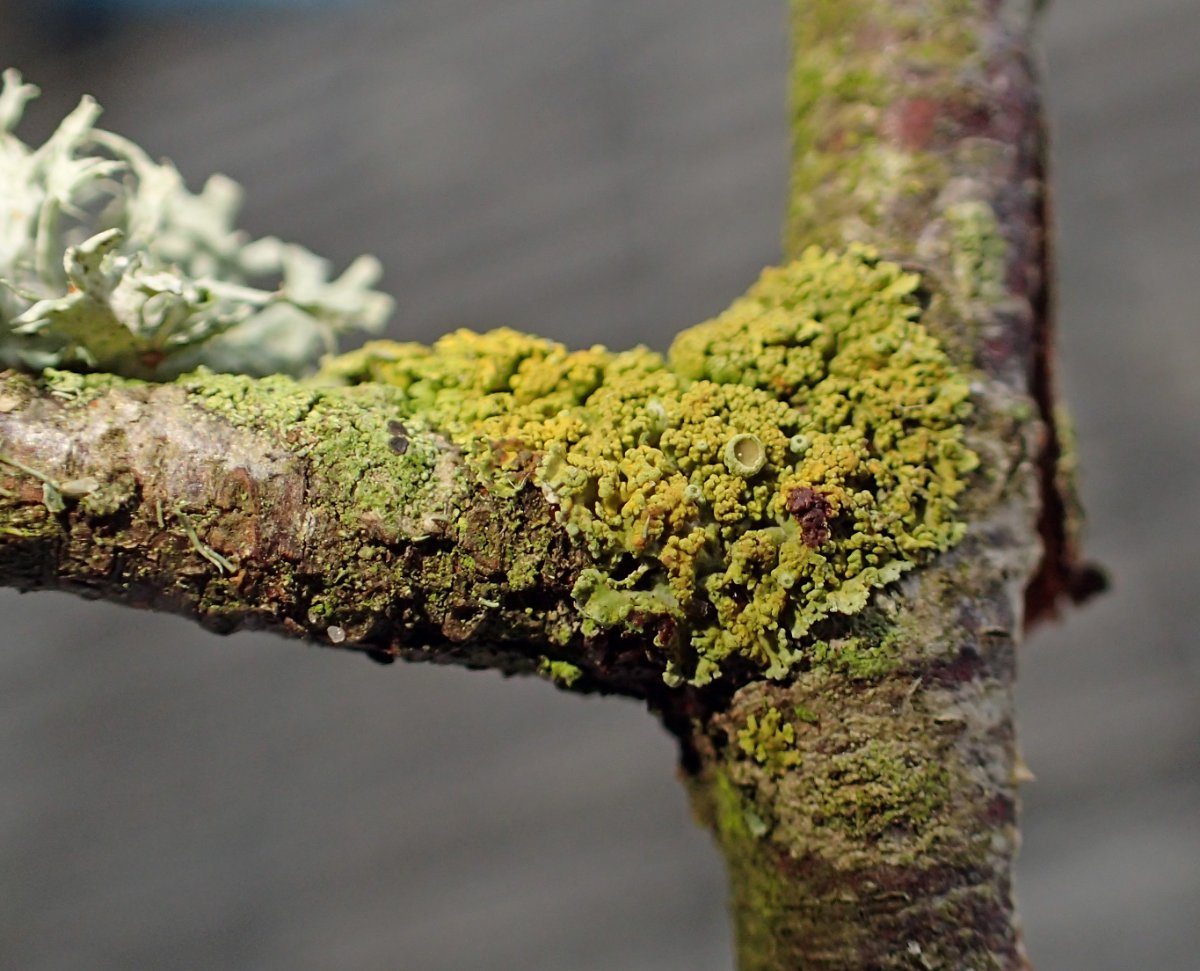
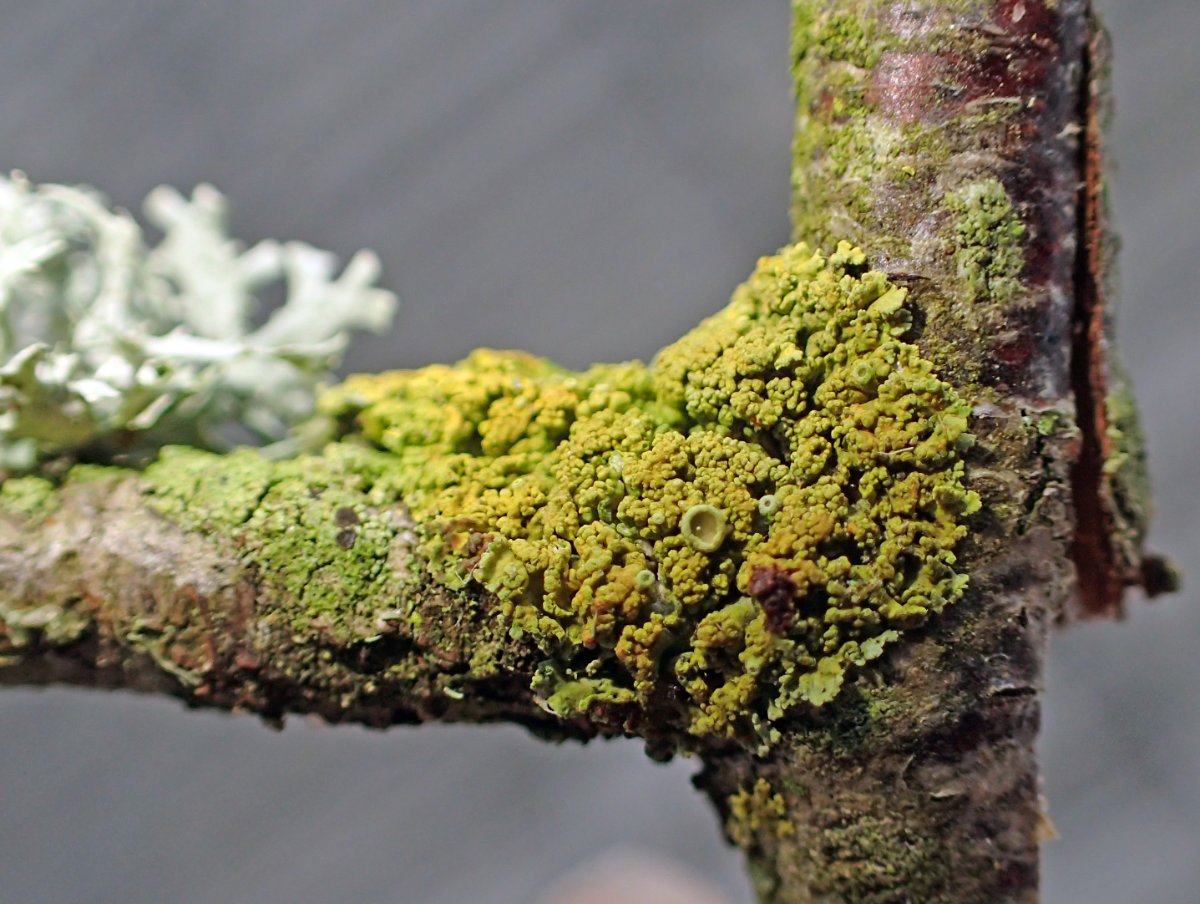
A Xanthoria from Dorset yesterday in the axil of a shaded Birch twig, no rhizines but (among the lower side grot) very occasional hapters. X. polycarpa seems closest but substrate too acidic and the thallus is very nodulose with few apothecia. Thoughts and comments appreciated as I’m hanging onto the specimen and just calling it Xanthoria sp. for now!

[attachment=2]Xanthoria 200122 031.jpg[/attachment] 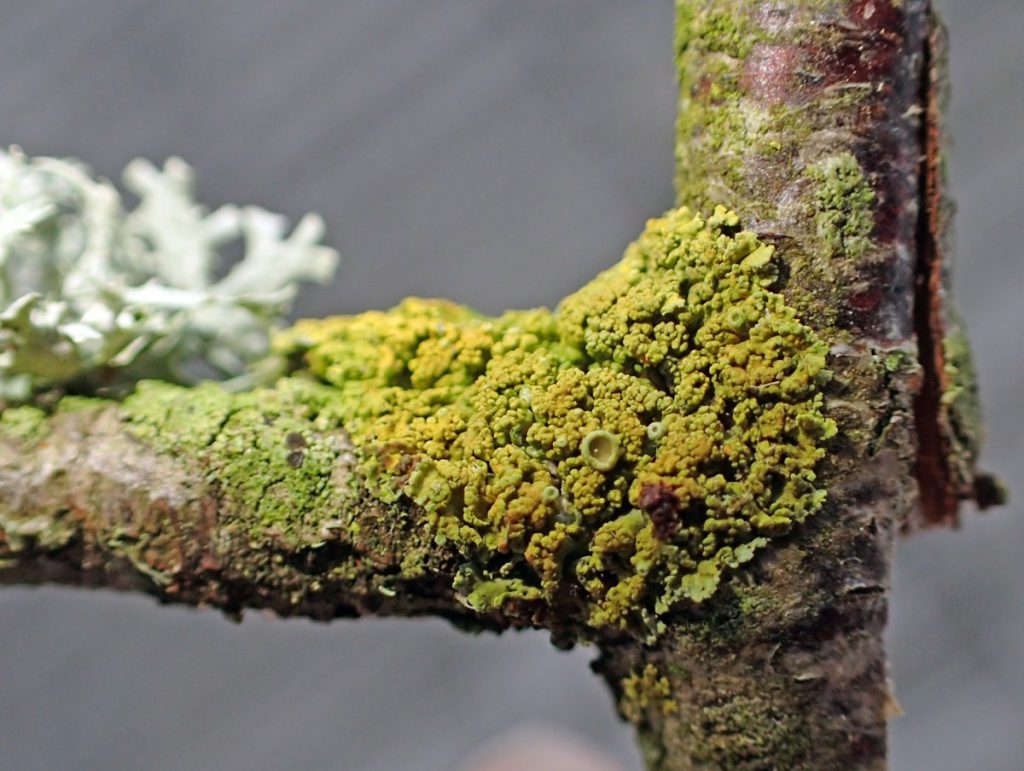
[attachment=1]Xanthoria 200122 034.jpg[/attachment] 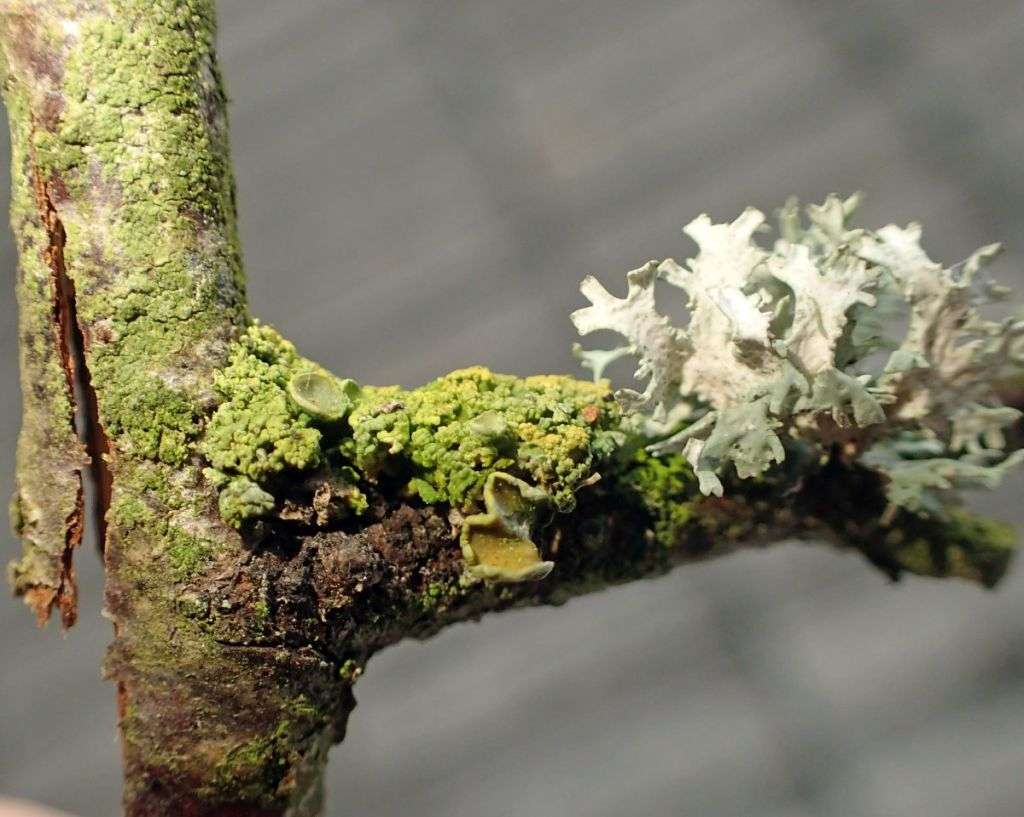
[attachment=0]Xanthoria 00122 032.jpg[/attachment] January 24, 2020 at 10:54 am #42769It certainly is odd. The apothecia don’t seem to be particularly stalked. January 24, 2020 at 11:53 am #42770What about Xanthoria calcicola? Looks like the coarse globose isidia of this species on the thallus surface. LGBI 2 says: Quote:Lowlands, especially on calcareous, nutrient-rich stonework, brickwork, tiles, monuments, rare on bark and wood
I have never seen it on bark, but it seems it can grow in this habitat
Neil
January 24, 2020 at 8:22 pm #42771Thanks for the suggestion Neil – but wouldn’t Birch twigs be too acidic a substrate and surely the outer lobes are wrong for a corticolous X. calcicola? Forgot to mention in first post but the thallus is only 1.5 cm

[attachment=1]zz Xanthoria 200122 031.jpg[/attachment] 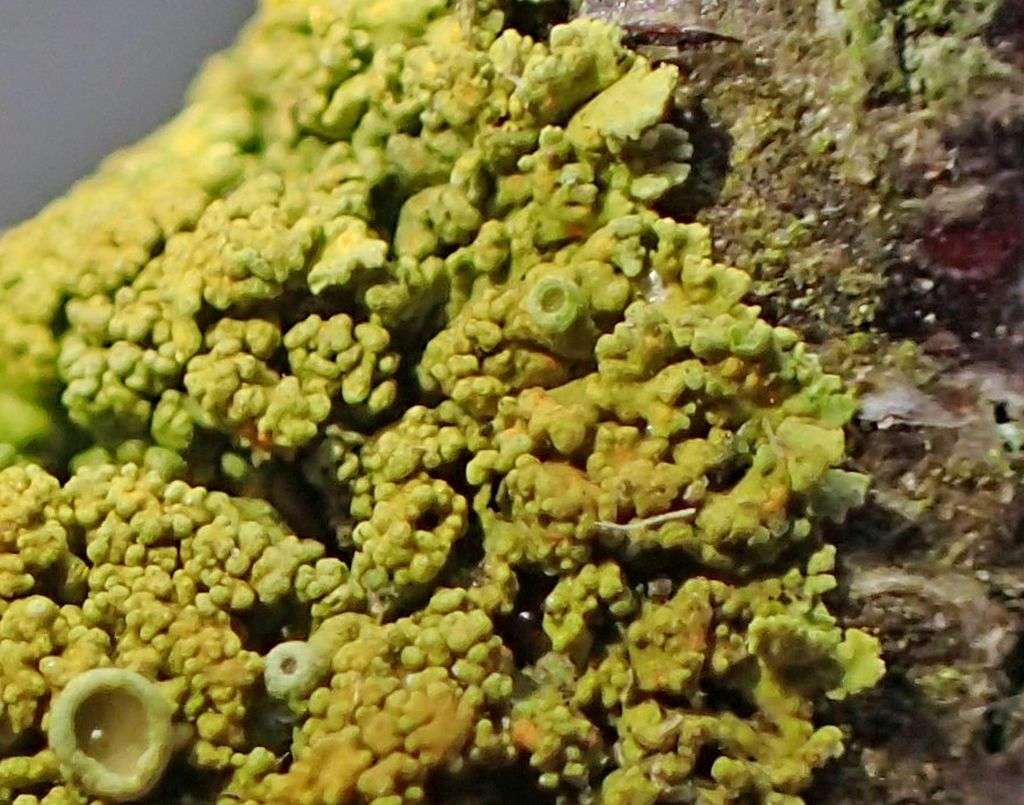
[attachment=0]zz Xanthoria 200122 034.jpg[/attachment] January 24, 2020 at 9:11 pm #42772Xanthoria calcicolais not a strongly held option, but it would, I suppose be stunted growing on a Birch! Seems like the classic young Cladoniaproblem; too small/under developed to be identifiable. Otherwise out of ideas. Neil
April 13, 2020 at 11:35 am #42773I wasn’t sure whether to post this at all, but given Mark Powell’s comment elsewhere on this site that Xanthoria polycarpa is a species “gone out of fashion” and several discussions I’ve had recently with people that either never see it or have trouble differentiating it from parietina, this seems the right time and place. I come across what I believe is Xanthoria polycarpa quite often, particularly on urban twigs, but these are two recent rural finds, from birch in a garden in north Gloucestershire and an apricot tree in my garden in central Gloucestershire.
-
AuthorPosts



- You must be logged in to reply to this topic.