- This topic is empty.
-
AuthorPosts
-
February 15, 2026 at 7:00 pm #33144
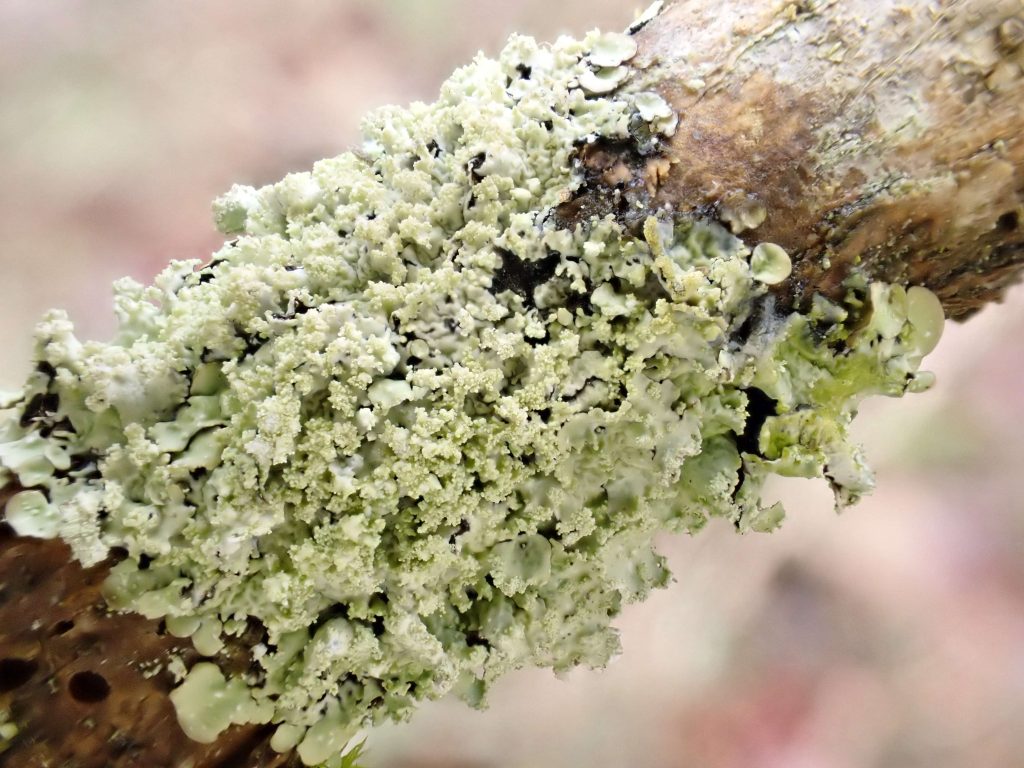
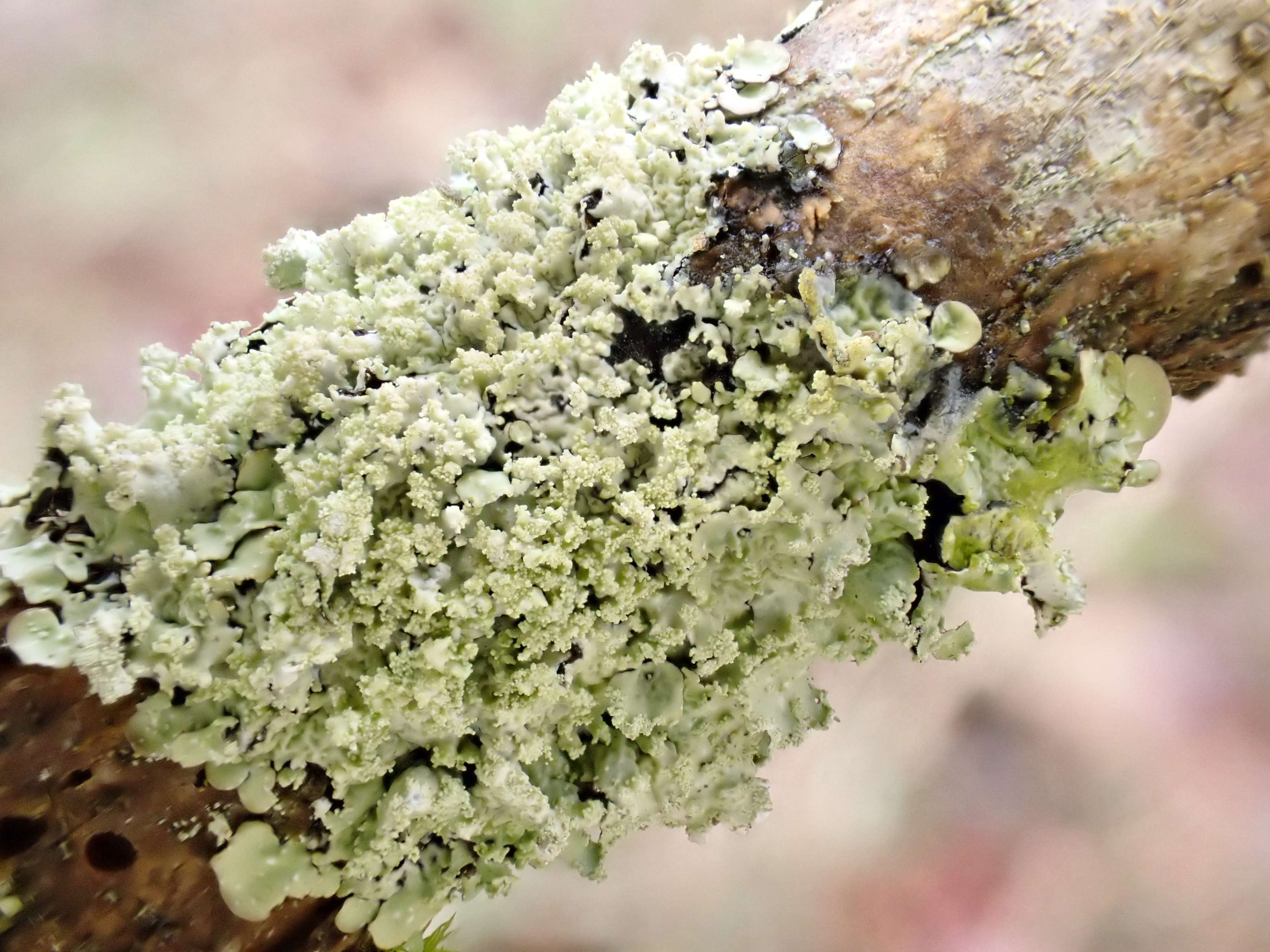
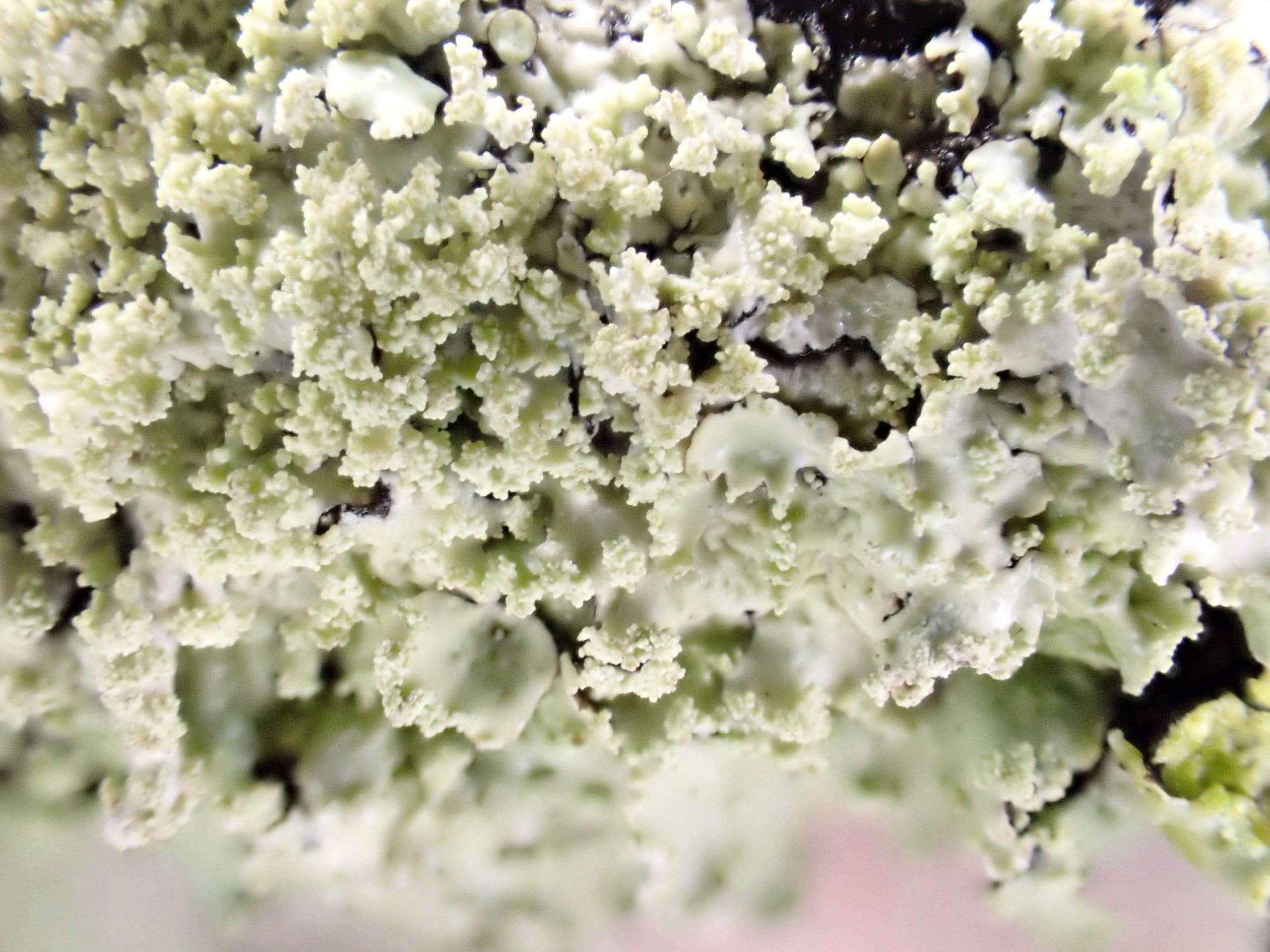
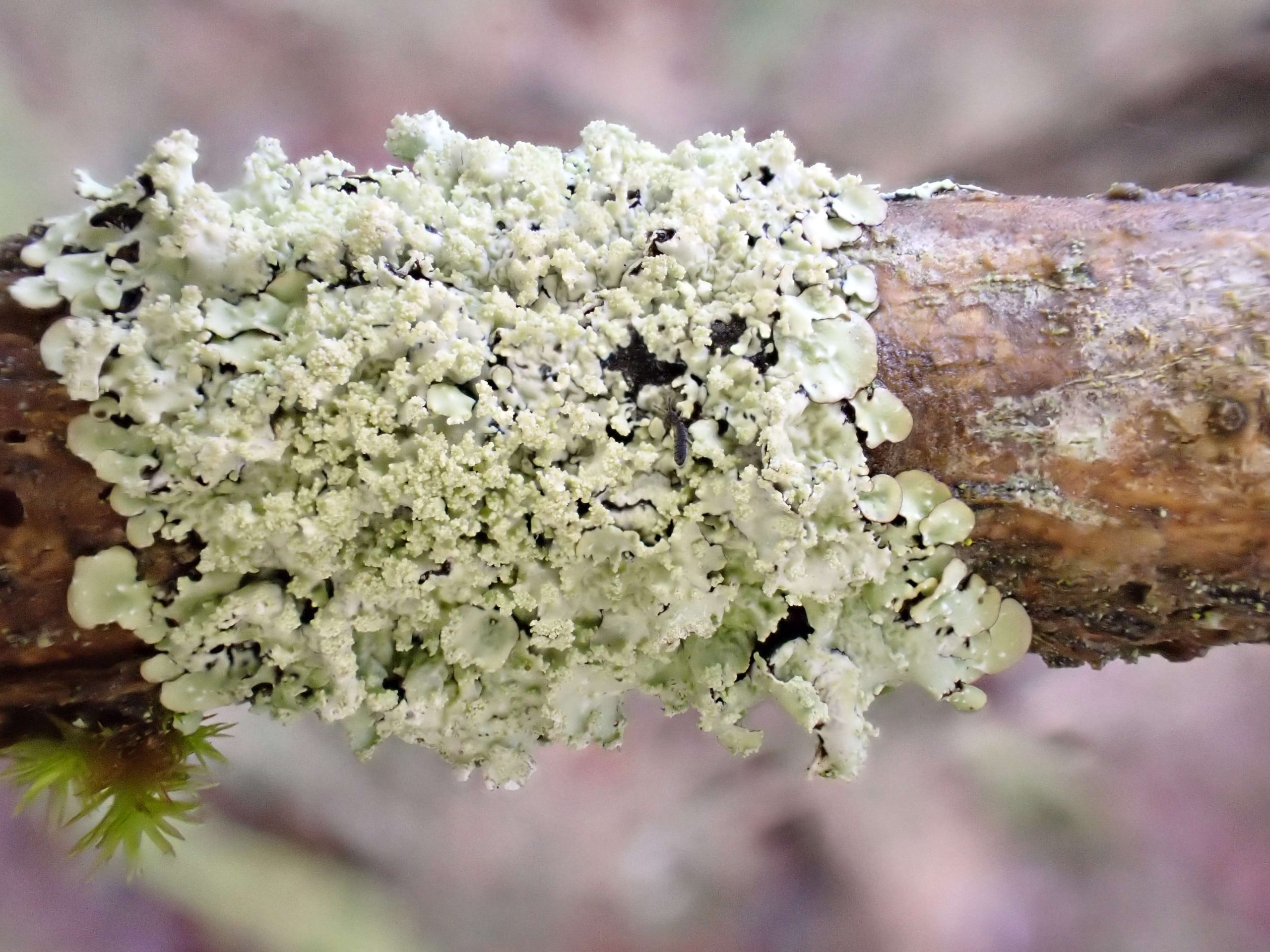
Foliose lichen, pale green throughout (in wet weather), with what could be coarse soredia, but seem to be isidia, mainly apical and spreading over the lobes, but also laminal. Underside buff becoming dark 5mm from the edge with sparse dark rhizines none near the margins. Cortex K+Y, medulla indeterminate in wet conditions, P-. SU783294, VC 12 North Hampshire, on well lit old gorse stem in heathland. It was the only specimen so we didn’t take a sample. Nothing seems to fit very well but if they are isidia could this be H. minarum?
[attachment=1]P2120057.JPG[/attachment] 
[attachment=0]P2120051.JPG[/attachment] 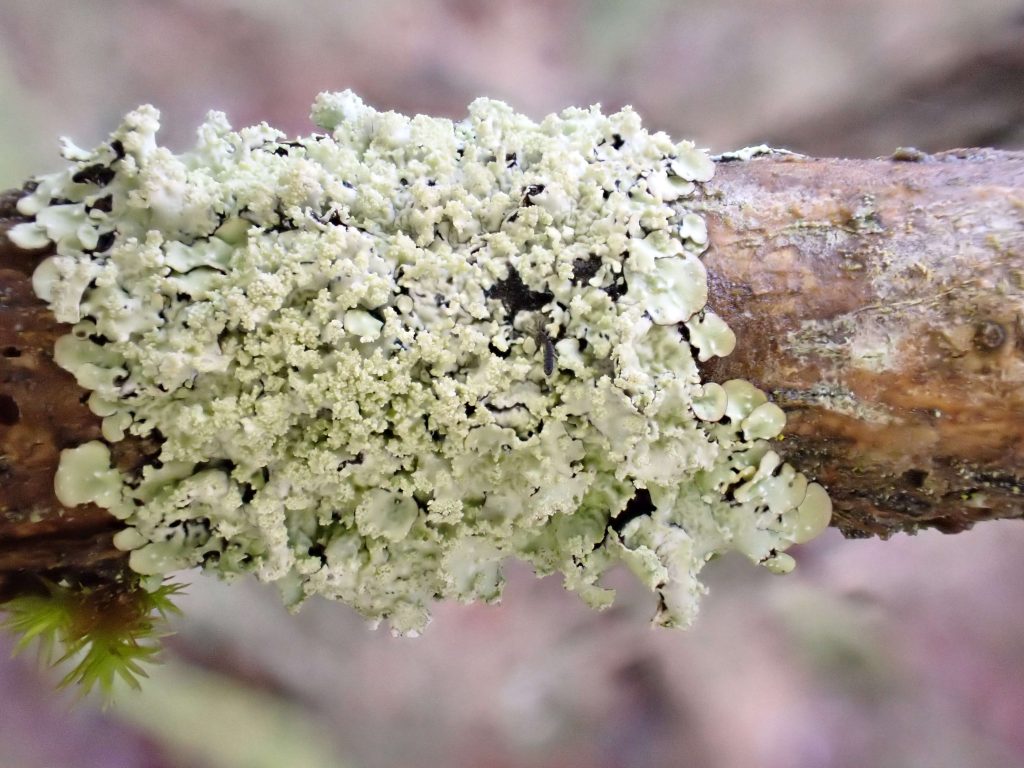
[attachment=2]P2120047.JPG[/attachment] February 15, 2026 at 9:32 pm #46861Peter No
Hypotrachyna minarumlooks very like a stunted Parmelina tiliacea, and has very well defined narrow cylindrical brown tipped isidia. This appears to have decorticate granules, and therefore soralia. It also has a few dotted pseudocyphellae, so I would think some sort of Puncteliabut goodness knows what. I have had a look through ITALC 8.0 and it does not look like anything there; not a clue what that is. A couple of New Forest
Hypotrachyna minarumpictures: 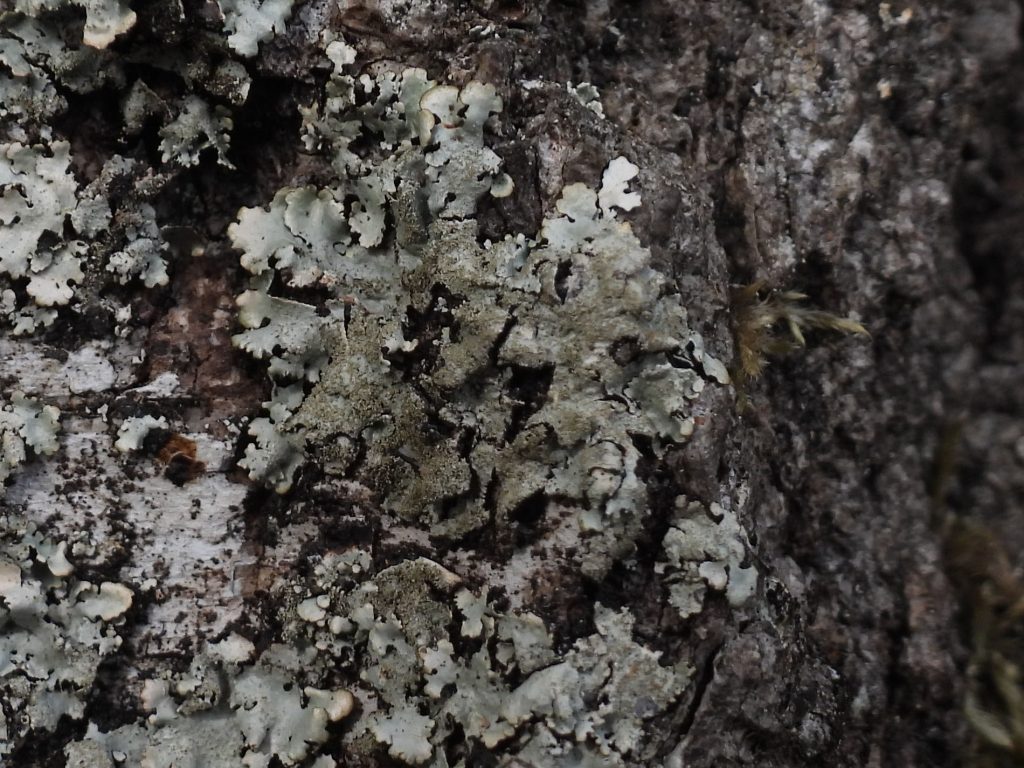
[attachment=1]012022-09-03-01.jpg[/attachment] 
[attachment=0]2023-10-15-01.jpg[/attachment] Neil
February 16, 2026 at 8:58 am #46862Thanks Neil, I think I would have seen a medulla bright red C+ like in Punctelia subrudecta. However one of the lobes on the outer edge did look like Punctelia about to develop soralia. The description in LGBI3 of Punctelia reddenda with soredia becoming secondarily corticate then forming elaborate isidiomorphs sounds right, hence our inability to agree on what they were! The yellowish green overall colour and chemistry fit as well. I haven’t found any pictures looking quite like this but then gorse might be an unusual habitat. There are some old records for N. Hampshire, so I am inclined to go with Punctelia reddenda. A new taxon for us.
February 16, 2026 at 9:34 am #46863Hypotrachyna minarumwould have been C+ red too! Looks odd and scrappy for Punctelia reddenda, which is usually a big beefy lichen closely resembling Punctelia borreriand the isidiomorphs are usually found on well developed odder thalli. I would just regard this as indeterminate. However, Punctelia reddendaturning up is a possibility as it has got much more frequent in the New Forest recently, but mainly in sheltered humid locations in the woods, so maybe best as Punctelia reddenda?. Neil
-
AuthorPosts



- You must be logged in to reply to this topic.