- This topic is empty.
-
AuthorPosts
-
January 25, 2023 at 5:56 pm #32550
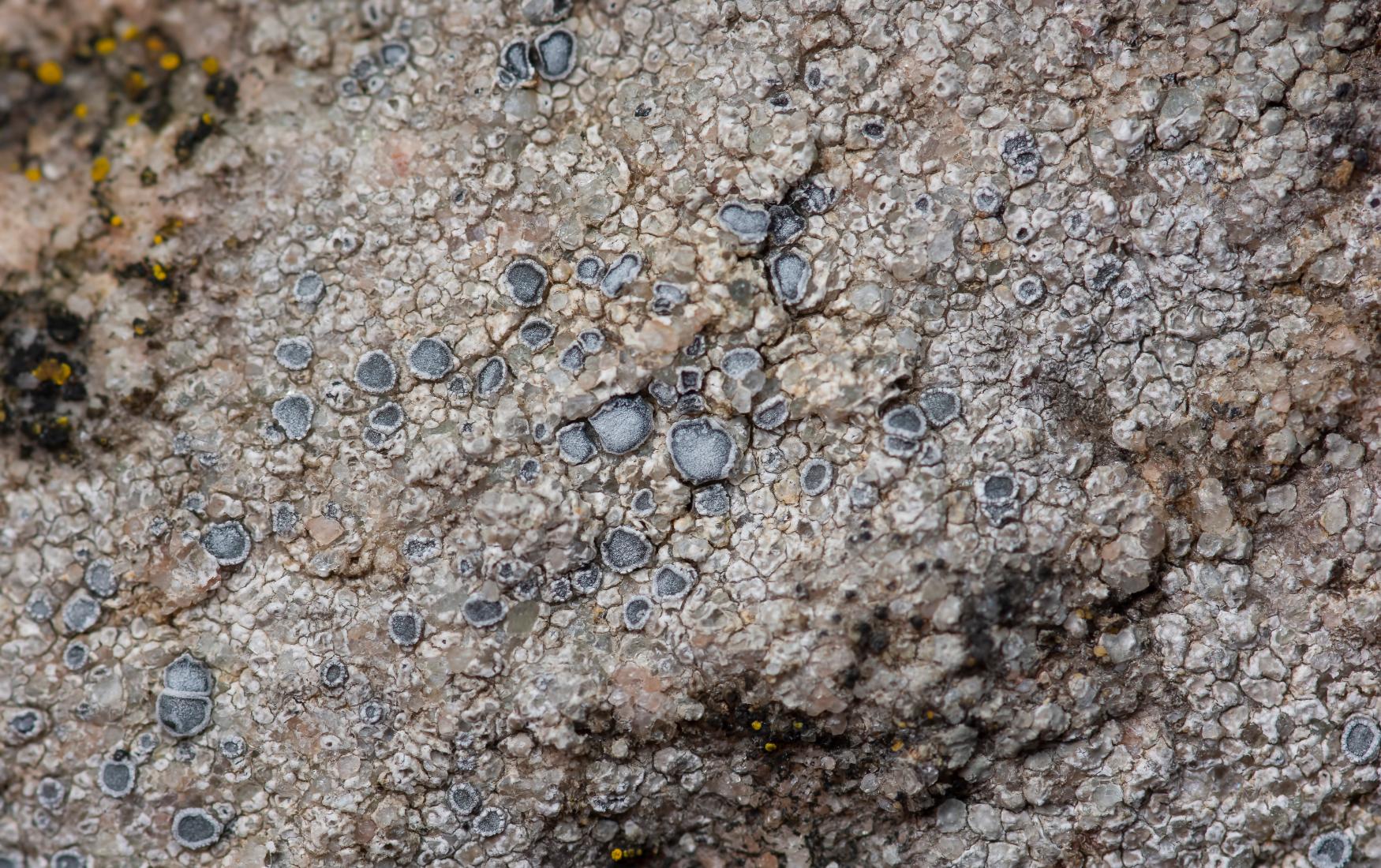
Another conundrum! This specimen was found growing on rather soft sandstone around a small pond at an estate in western Zealand, Denmark.
I think it must be Circinaria, but nothing matches well. The sessile and pruinose apothecia are the main cause of confusion, but they were present on many thalli on the sandstone and neighbouring granite rocks.
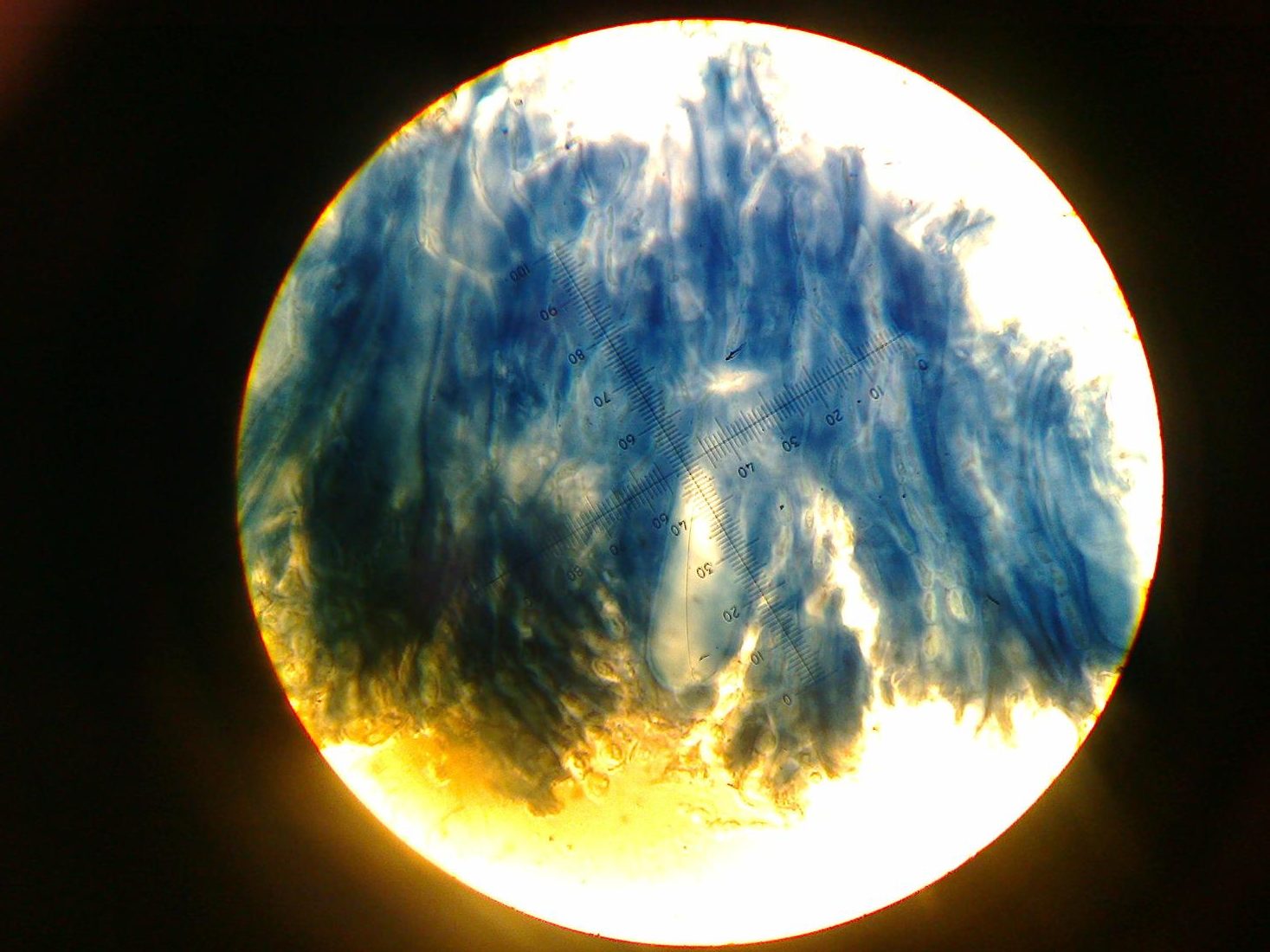
The asci are mostly 4-spored and apparently inamyloid – the hymenium itself is K/I+ blue, however.
All suggestions are more than welcome!


[attachment=4]Aspicilia sp. (cf. caesiocinerea s. lat.)(Kattrup, dige om dam) 1-2.jpg[/attachment] 
[attachment=3]Aspicilia sp. (cf. caesiocinerea s. lat.)(Kattrup, dige om dam).jpg[/attachment] 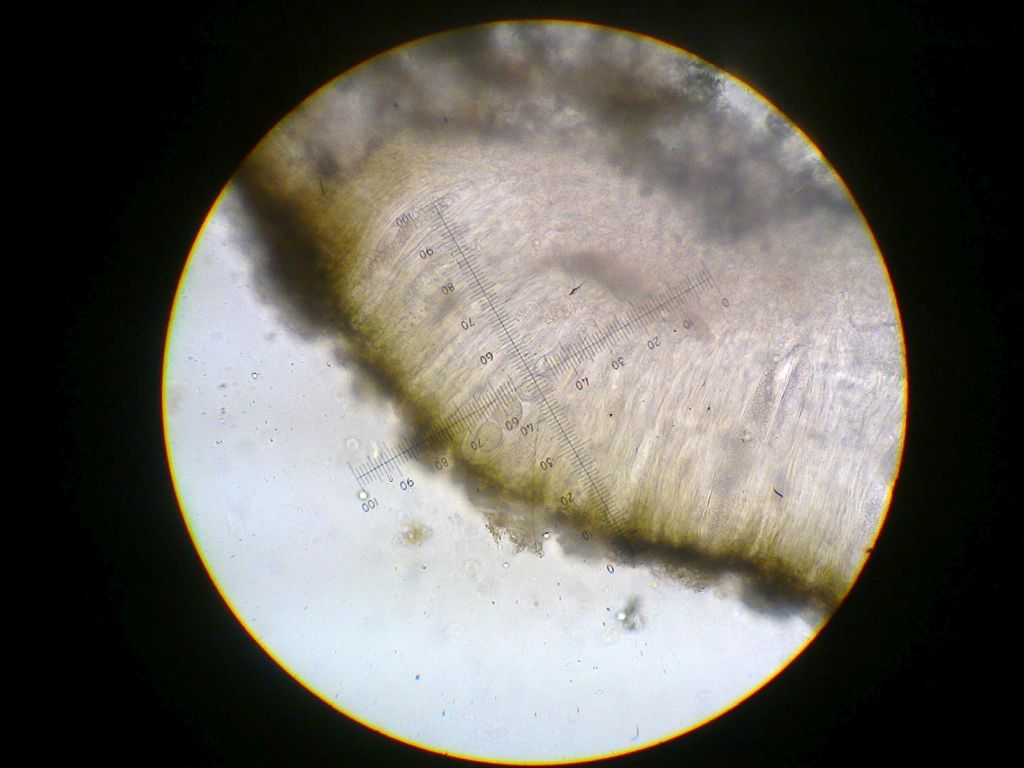
[attachment=2]Billede3268.jpg[/attachment] 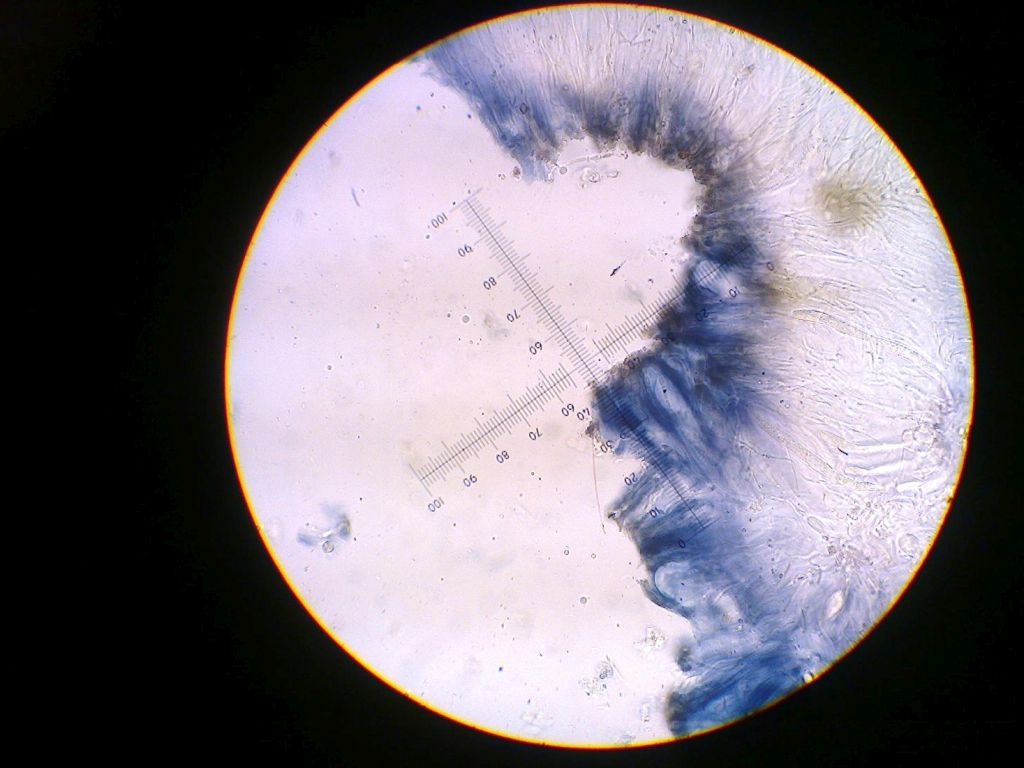
[attachment=1]Billede3272.jpg[/attachment] 
[attachment=0]Billede3275.jpg[/attachment] – Jonas
January 26, 2023 at 1:43 pm #45281Jonas: Any reaction with K?
Alan
January 27, 2023 at 10:20 am #45282Another question for you Jonas, do you have any observations on the lichen community on the rock in the vicinity? Your lichen has something of the look of Aspicilia contorta subsp. hoffmaniana (LGBI2 nomenclature) to me, a form with rather prominent apothecia. I have only seen hoffmaniana on calcareous or intermediate substrata. so my very tentative suggestion would be unlikely if your ‘soft sandstone’ and ‘granite’ rocks support a strongly acidic community. However, sandstone is very variable, as is ‘granite’ if not used in its strict geological usage. If you browse online, you will see that the apothecia are often rather prominent in images reported as hoffmaniana, something I have observed myself and which is mentioned in descriptions. January 29, 2023 at 2:17 pm #45283Hi Mark and Alan, First of all, thank you for your replies.
C. contorta ssp. hoffmanniana was actually one of the two IDs I considered (the other being C. caesiocinerea), but the habit was very different from the other examples of this taxon I have seen, so I rejected it at first, but perhaps I should reconsider.
There is no reaction with K – neither in section or from spot tests directly on the thallus.
I have tested the rock with different acids with no visible reaction. There are a few calcareous rocks in the stone wall, so perhaps runoff from these is what is causing the “shift” in substrate.
I don’t remember offhand if any of the calcareous rocks were directly above the sandstone, but I think that it was one of the rocks on top of the wall. The spore count and shape fits with C. contorta spp. hoffmanniana, so if nothing else comes of this discussion, I will tentatively name it as such
All the best,
Jonas
-
AuthorPosts




- You must be logged in to reply to this topic.