
Palicella filamentosa??
- This topic has 8 replies, 3 voices, and was last updated 3 weeks, 2 days ago by
kianhaylescotton.
-
AuthorPosts
-
January 9, 2026 at 9:29 pm #33136
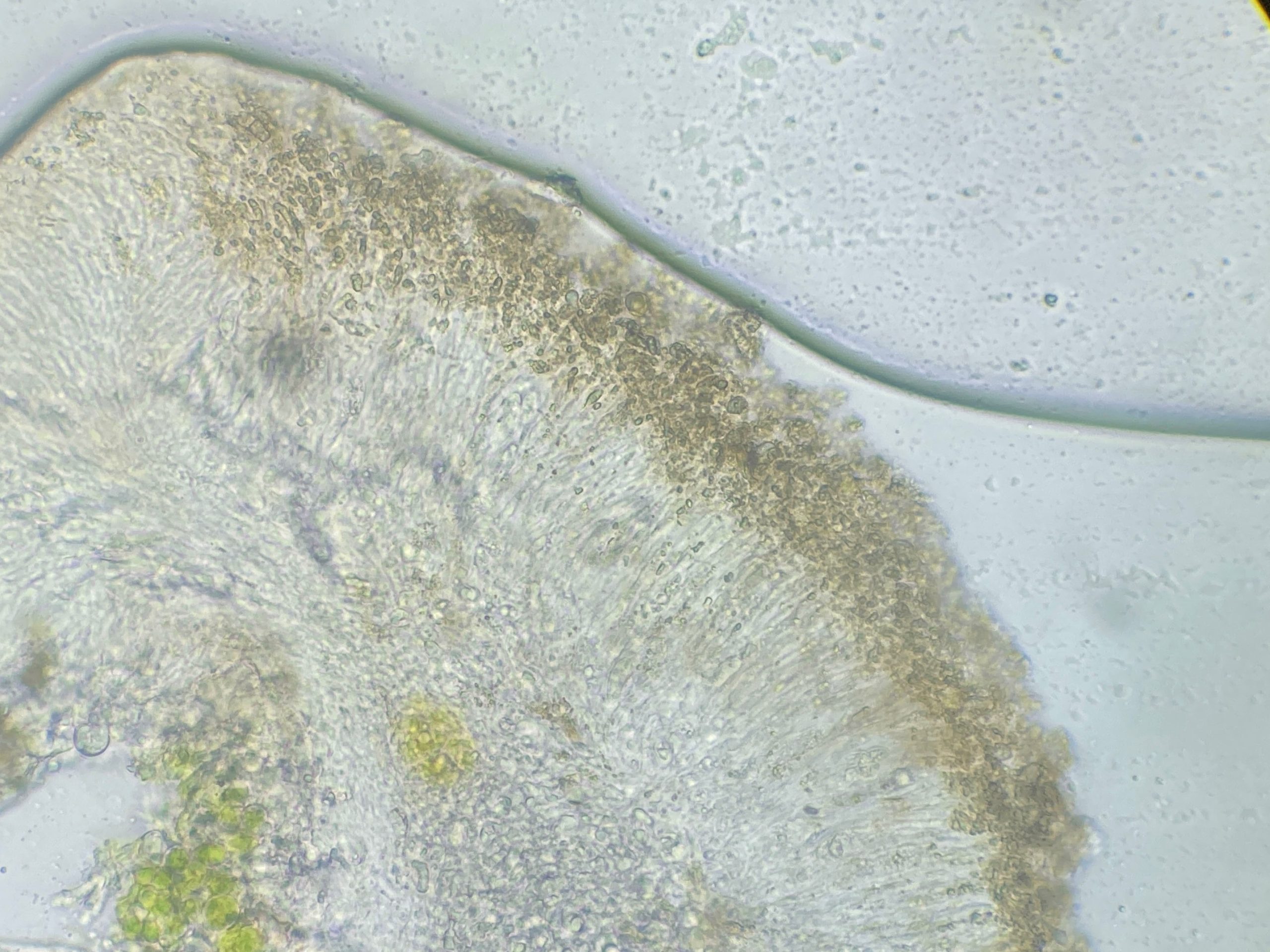
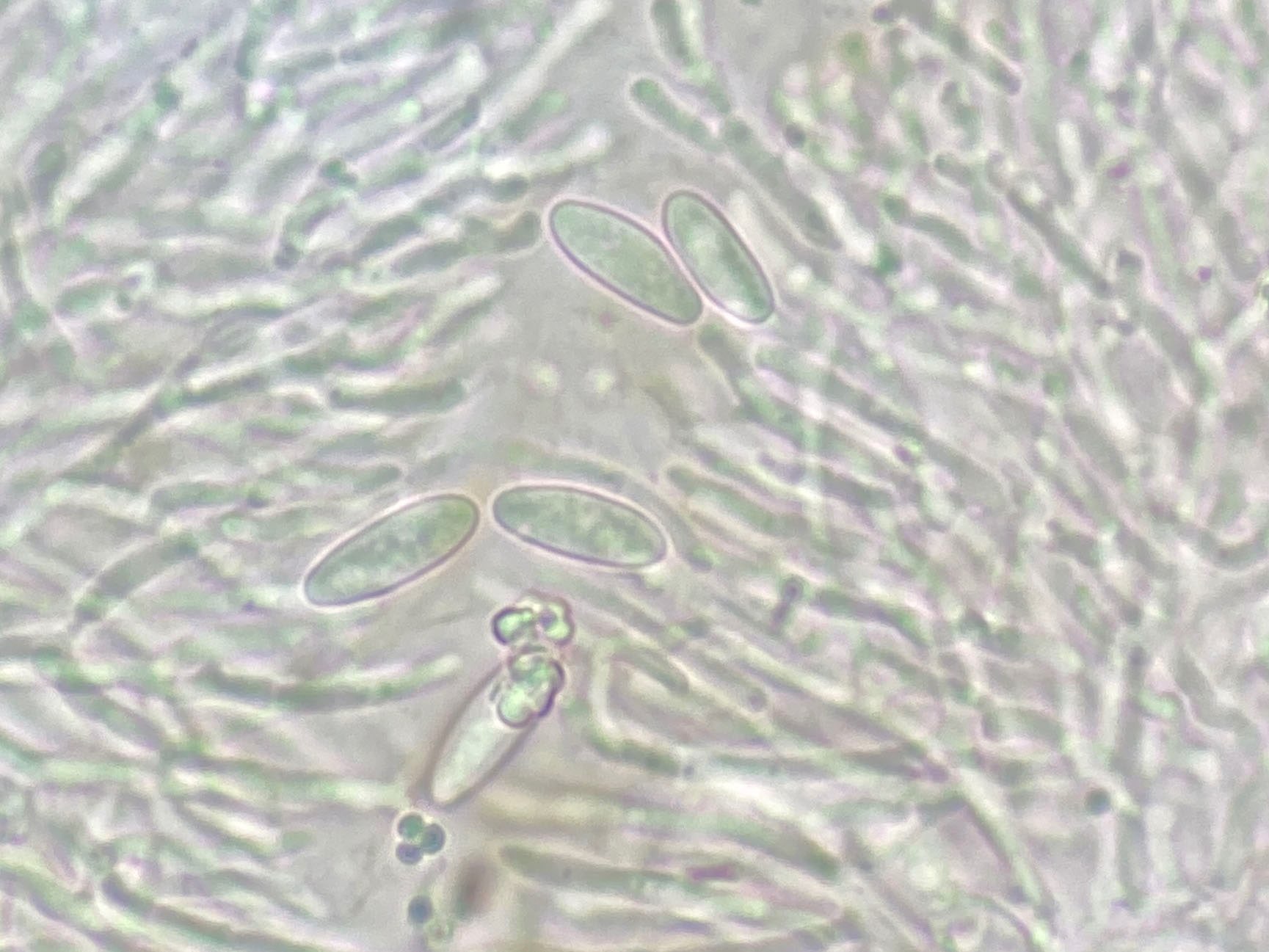
Hi all, Struggling with this lichen found on Pine bark above Cloutsham Ball, Horner Wood, Somerset. Thallus is white with red-brown apothecia with excluded margins, K+Y, C- (not tested with UV yet but will do when home). The apothecial margins appear to be excluded almost instantly with only the tiniest apothecia having a white margin. Asci appear 8 spored with simple aseptate spores which are 13.3 -15 μm (majority 13.3) by 3.3-5 μm long and ellipsoid. The hyemenium is ~50 μm deep above a small layer of chlorococcoid algae, small crystal (polarised light) in epithecium which descend down into hyemnium in places.
Additional images availble here:
https://www.inaturalist.org/observations/333758083 Any help would be much appreciated, hopefully it does turn out to be Palicella! Happy to take the sample to the BLS annual meet if anyone else is going.
January 11, 2026 at 1:04 pm #46818Do not know. Palicella filamentosais potentially overlooked in Britain for Lecanora aitemaor, less likely, Lecanora symmictabut I have not seen it. Careful K/UV spot tests would help: Lecanora aitemahas no xanthones or atranorin: K/UV– Lecanora symmictahas xanthones but no atranorin: K/UV(wet)+ bright yellow Palicella filamentosahas atranorin but no xanthones: K/UV(wet)- & K/UV(dry)+ bright yellow The AFL webiste has a picture of an apothecia
Lecanora symmictacross section under polarising light https://www.afl-lichenologie.fr/Photos_AFL/Photos_AFL_L/Texte_L_3/Lecanora_symmicta.htm ” class=”bbcode_url”> https://www.afl-lichenologie.fr/Photos_AFL/Photos_AFL_L/Texte_L_3/Lecanora_symmicta.htm Lecanora aitemato me, however, see https://www.verspreidingsatlas.nl/4344https://www.verspreidingsatlas.nl/4344” class=”bbcode_url”> https://www.gbif.org/species/2607071https://www.gbif.org/species/2607071” class=”bbcode_url”> BLS meeting: is that the AGM or the winter workshop? I should be at both.
Neil
January 12, 2026 at 10:33 am #46819Hi Neil, I’ve tested it this morning and I’m pleased to say that it is KUV- (wet) and KUV+ (dry) bright yellow, as well as K+ lemon yellow overall and UV- overall. So I’m thinking it probably Palicella filamentosa? I’ll be at the AGM in Carlisle so can bring it if people want to look/ anyone would like the specimen for their reference collection?
Best wishes,
Kian
January 13, 2026 at 9:51 am #46820Kian Certainly looks like it has atranorin. Paul Cannon might be the best person to have a look at the specimen to confirm the identity.
Neil
January 13, 2026 at 1:02 pm #46821Thank-you so much for taking a look, I’ll bring it along to the AGM then. Julie Hilligsøe Lisby said that they see it reasonably often on trees in Denmark and has confirmed it on iNaturalist too. Kian
January 21, 2026 at 1:39 pm #46822Happy to try, I’ll be at Carlisle too. Best wishes, Paul
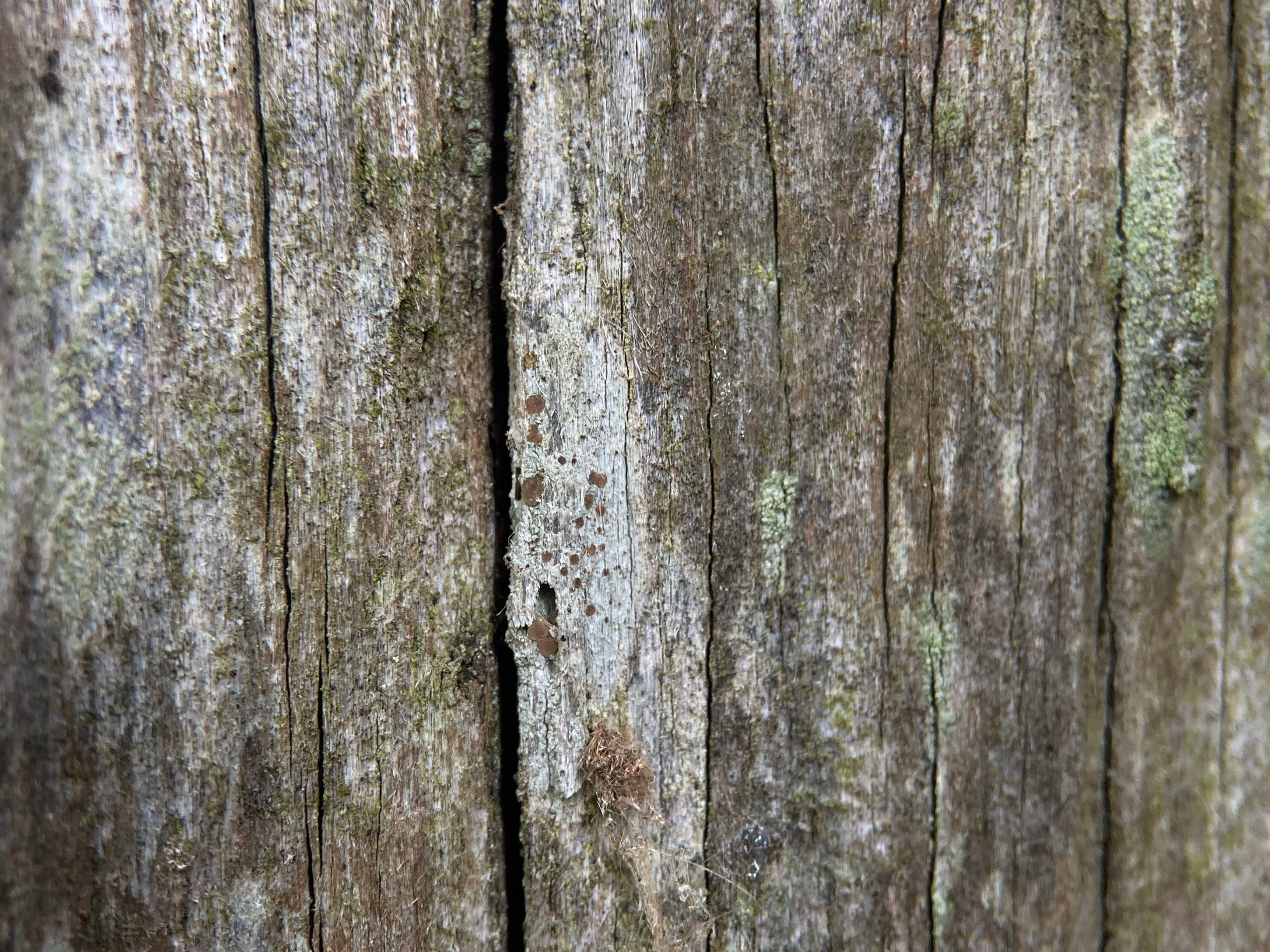
July 27, 2026 at 9:54 pm #46823Found Palicella filamentosain Hampshire now. It was on lgnum on a standing dead Yew tree in pasture woodland at Gorley Bushes, Fritham in The New Forest. Got a K/UV(dry)+ bright yellow spot test in the field and the other features martched:
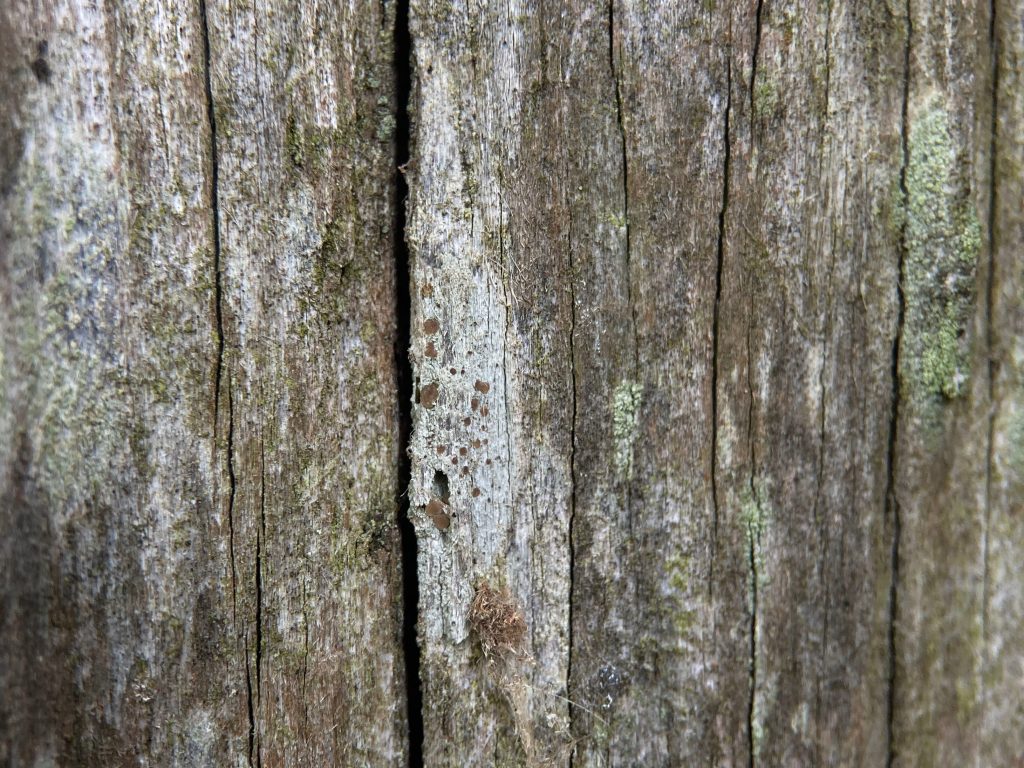
[attachment=0]2026-07-24-01.jpg[/attachment]
Field picture on Yew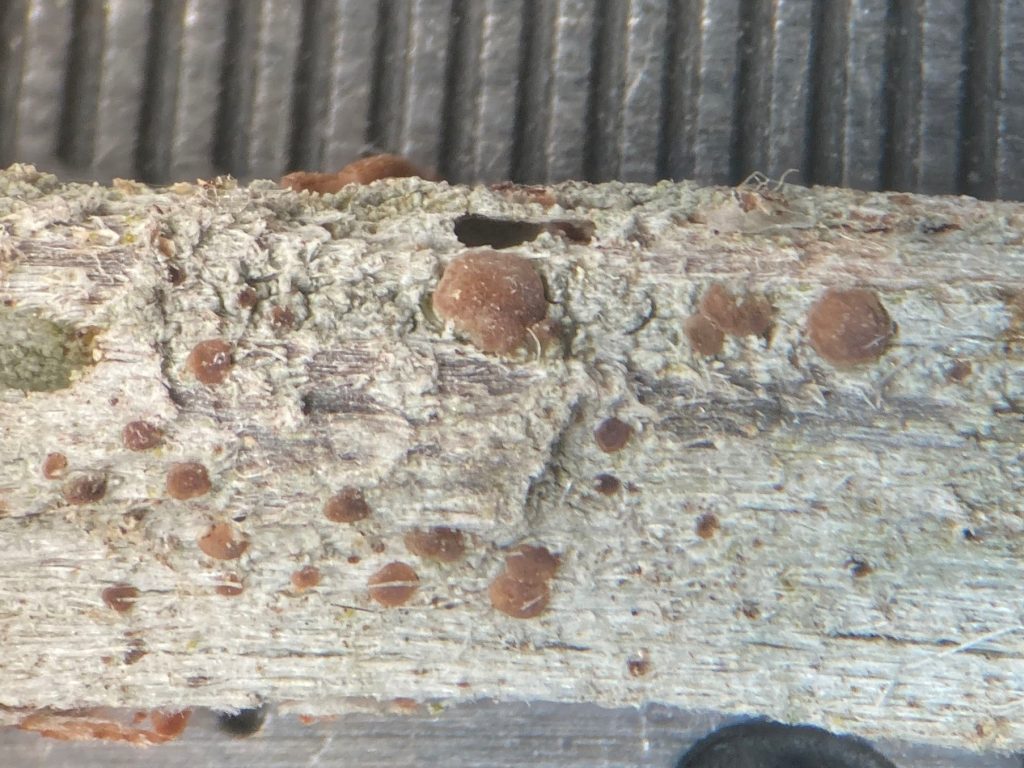
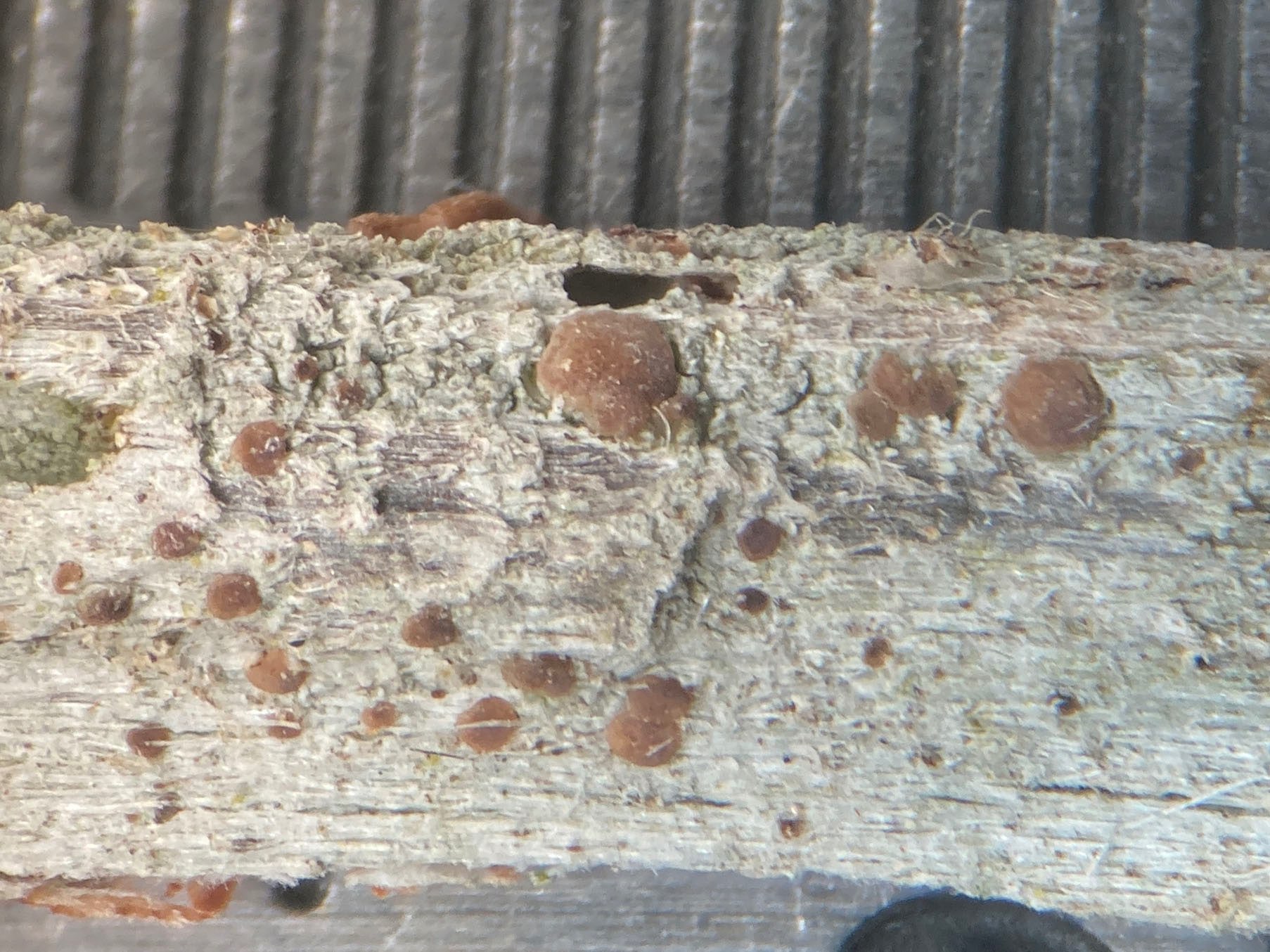
[attachment=1]2026-07-24-06.jpg[/attachment]
Specimen (ruler devisions = 0.5mm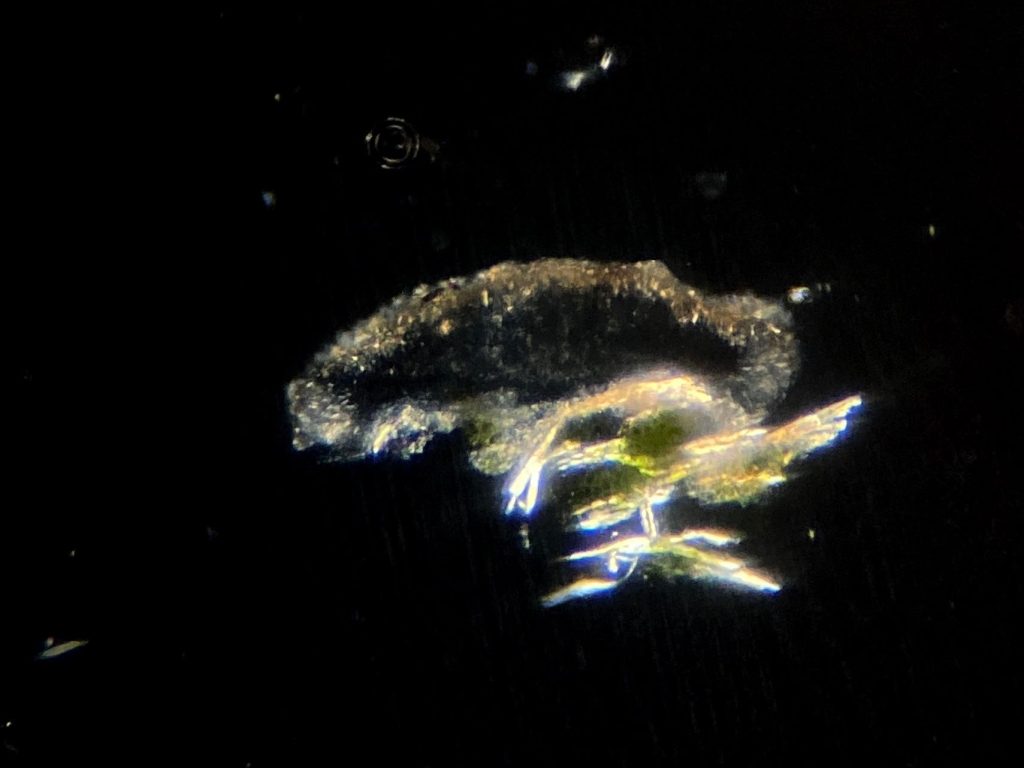
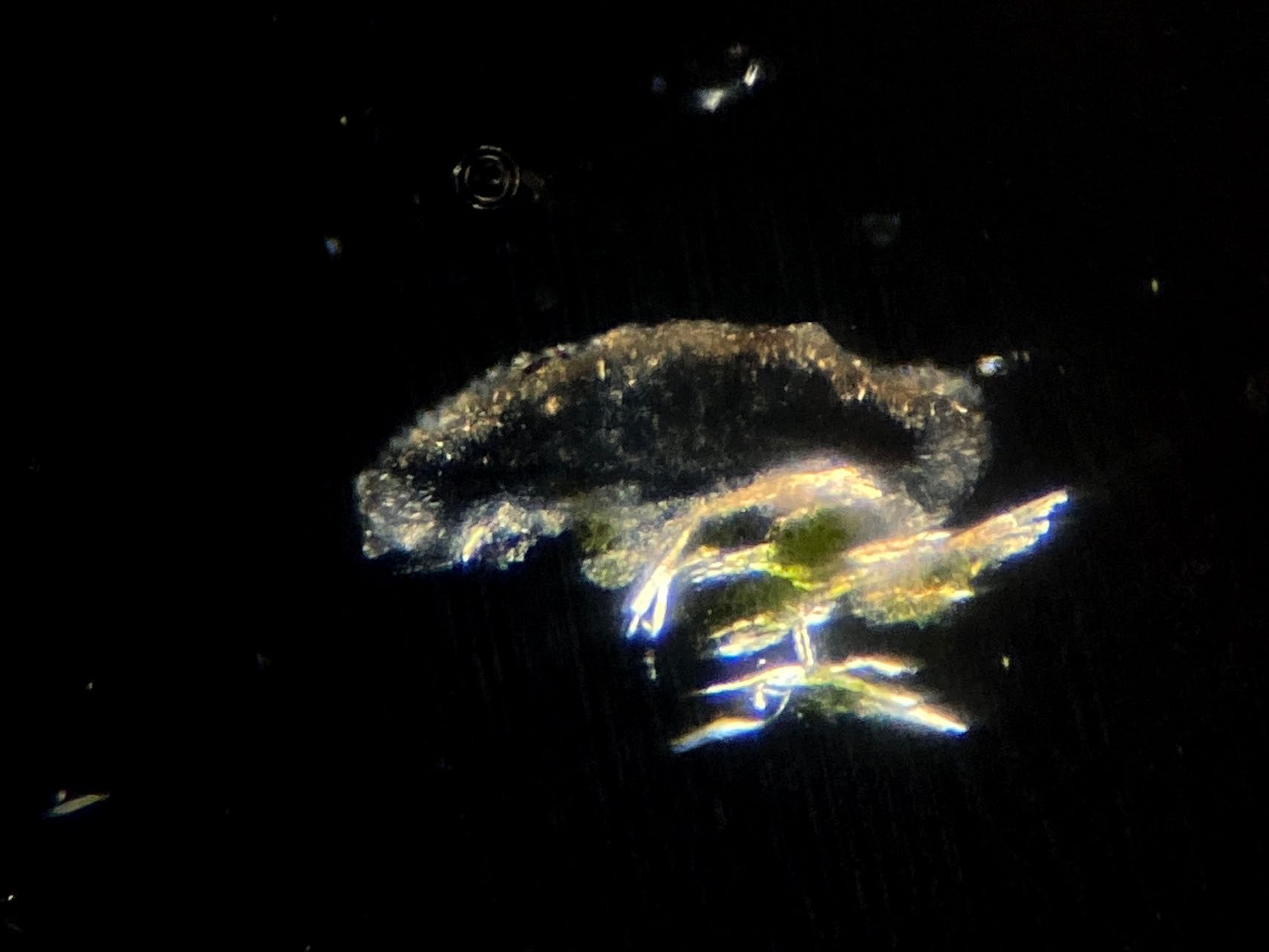
[attachment=2]2026-07-24-08.JPG[/attachment]
Apothecium cross section in water in polarised light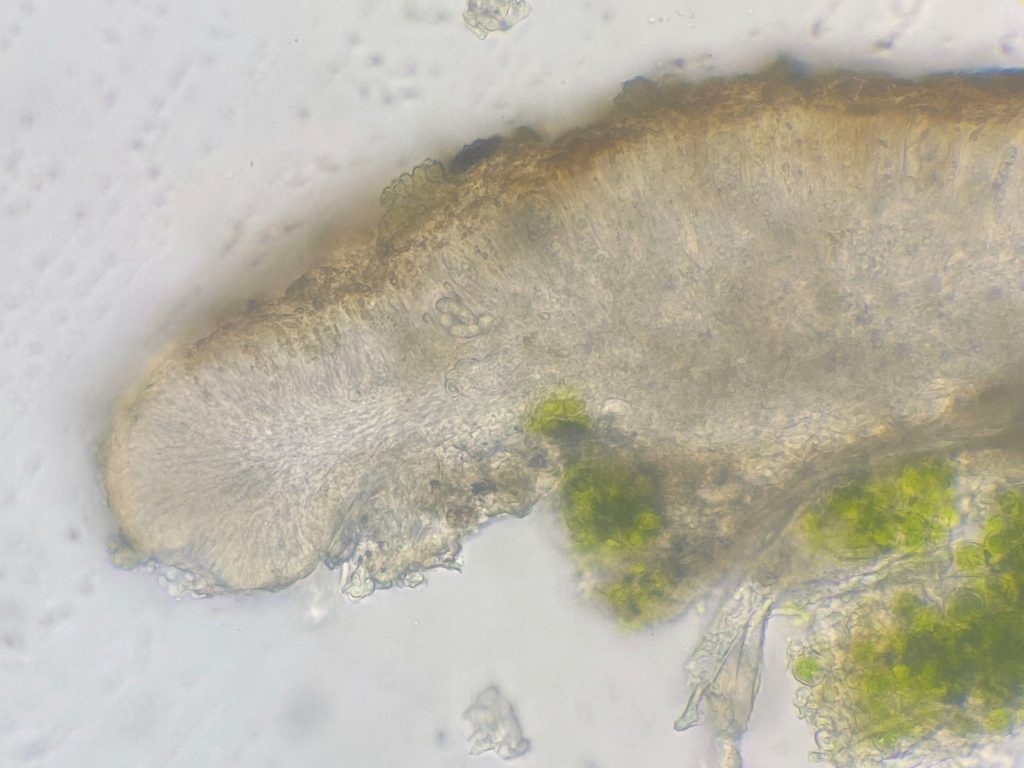
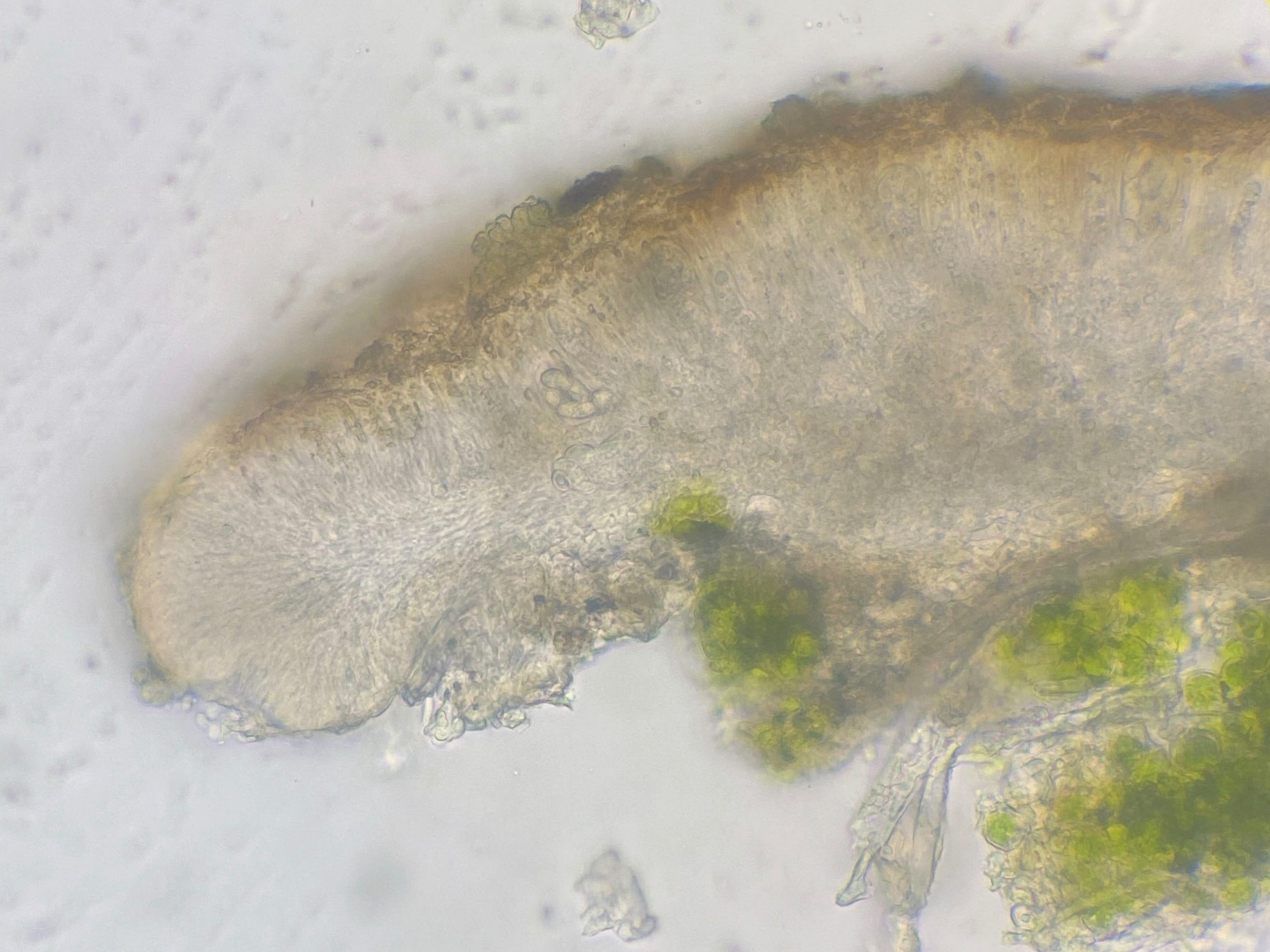
[attachment=3]2026-07-24-09.JPG[/attachment]
Apothecium cross section in water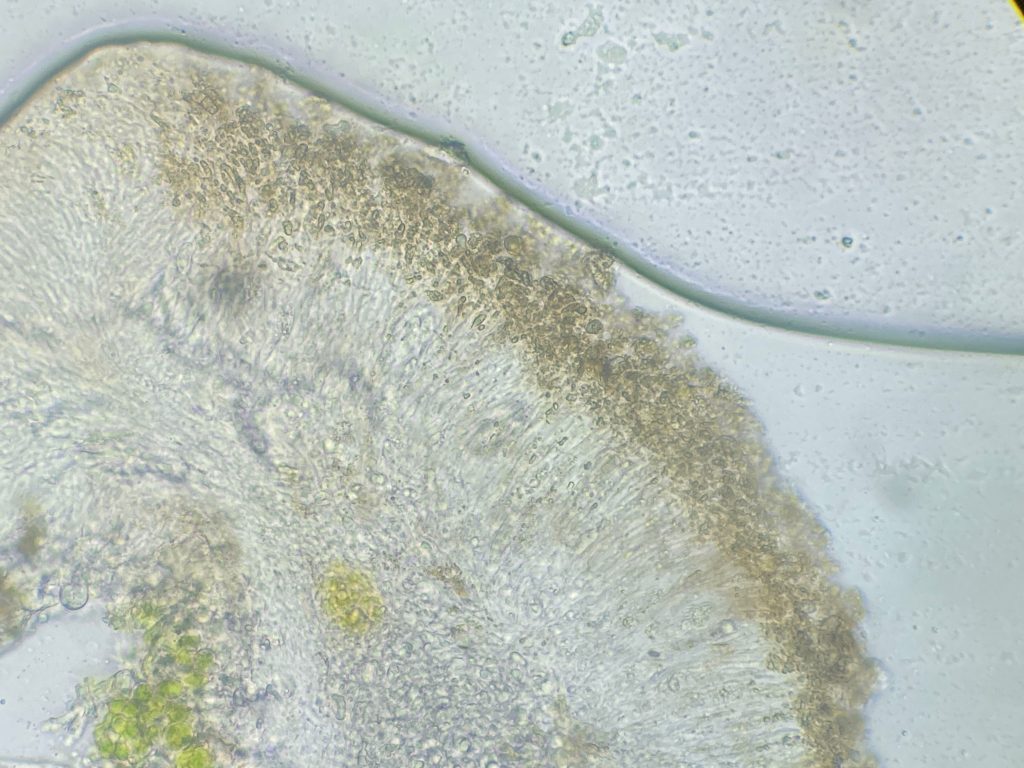
[attachment=4]2026-07-24-10.jpg[/attachment]
Apothecium cross section in water, squashed a bit to show granules in epithecium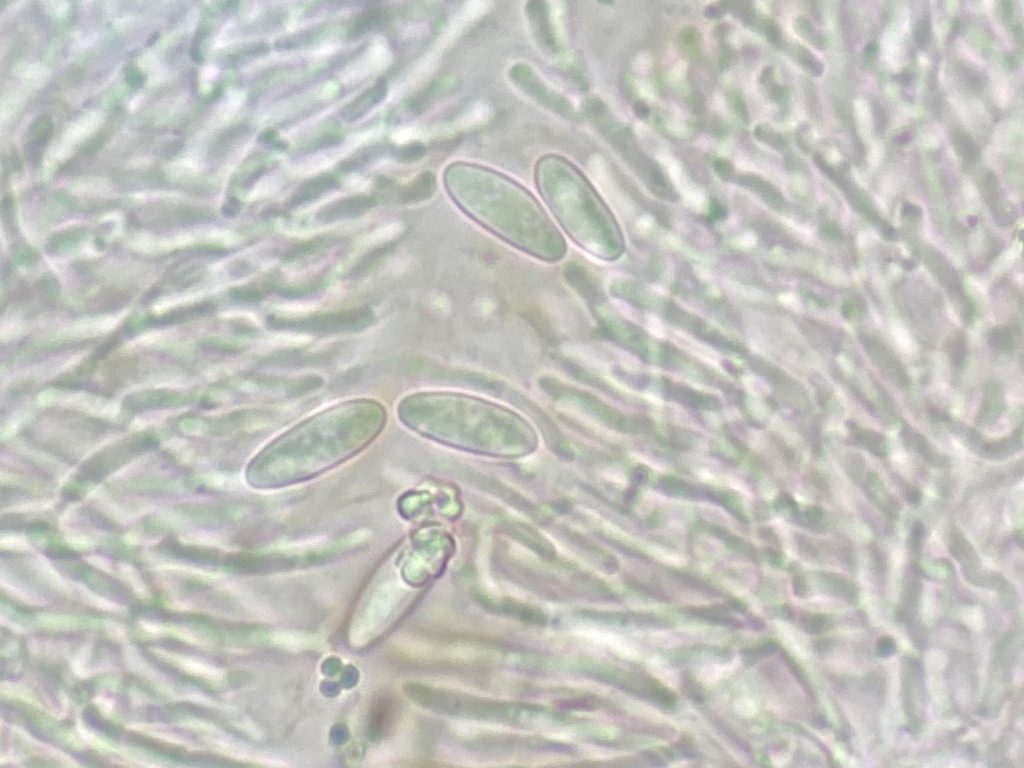
[attachment=5]2026-07-24-12.jpg[/attachment]
Spores & paraphyses tips in KI am fairly sure all my
Lecanora aitemarecords from Hampshire were of this, they were C- and not obviously Lecanora symmicta, but I was a bit worried by the paler disks, just had not checked systematically. Great Kian has got this. I have produced a species report on the BLS website
https://britishlichensociety.org.uk/resources/species-accounts/palicella-filamentosa ” class=”bbcode_url”> https://britishlichensociety.org.uk/resources/species-accounts/palicella-filamentosa Neil
August 29, 2026 at 5:29 pm #70578Mianly a test of the new forum, another picture from the New Forest of Palicella filamentosa:
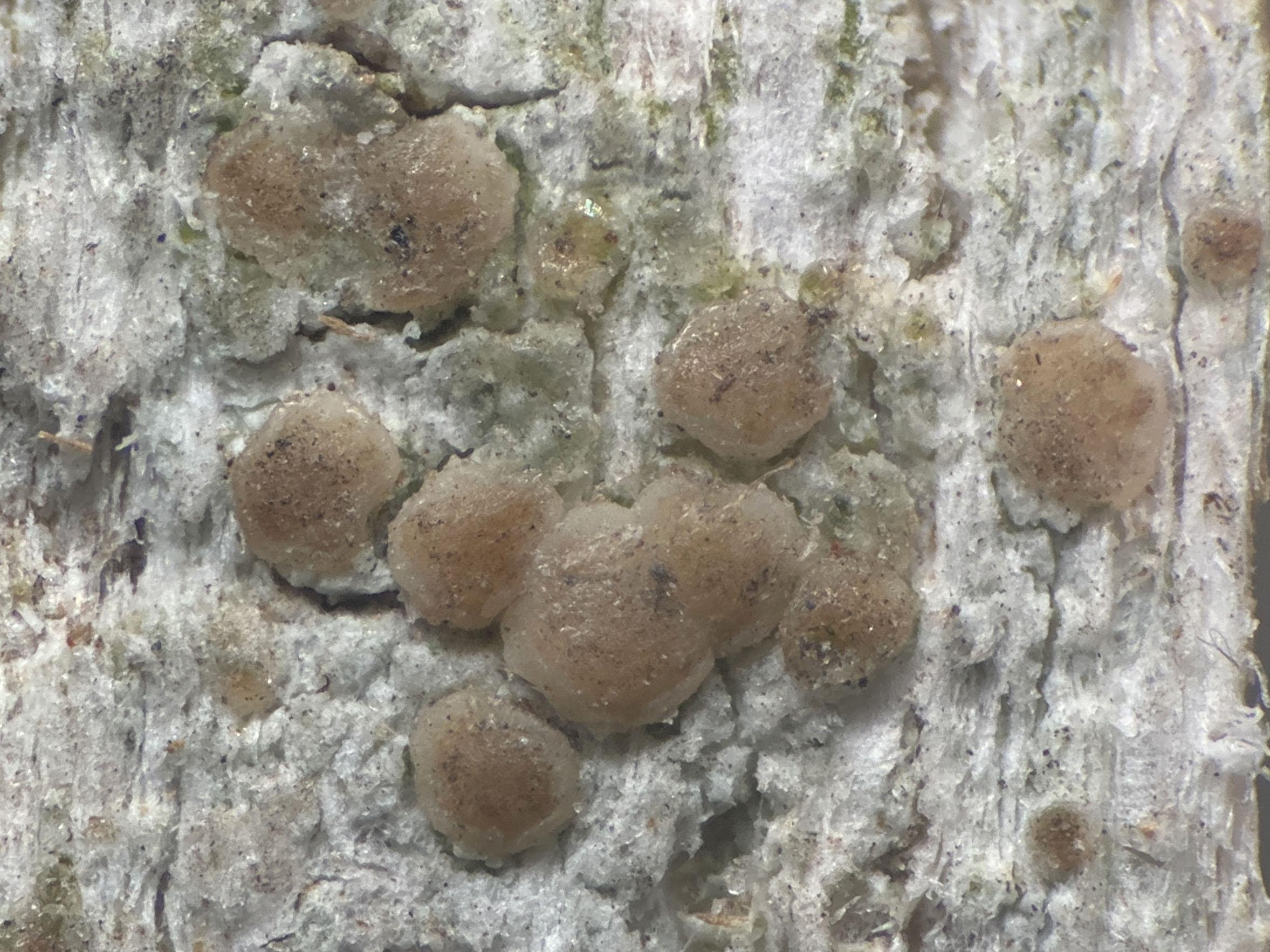
A stacked photo of young Palicella filamentosa apothecia on an old Oak gate post at Islands Thorns Inclosure in the New.
Also from Birch lignum on in an upland pasture woodland, Loch Killin, East Inverness, so from a speciment collected April 2026, so back in Scotland too
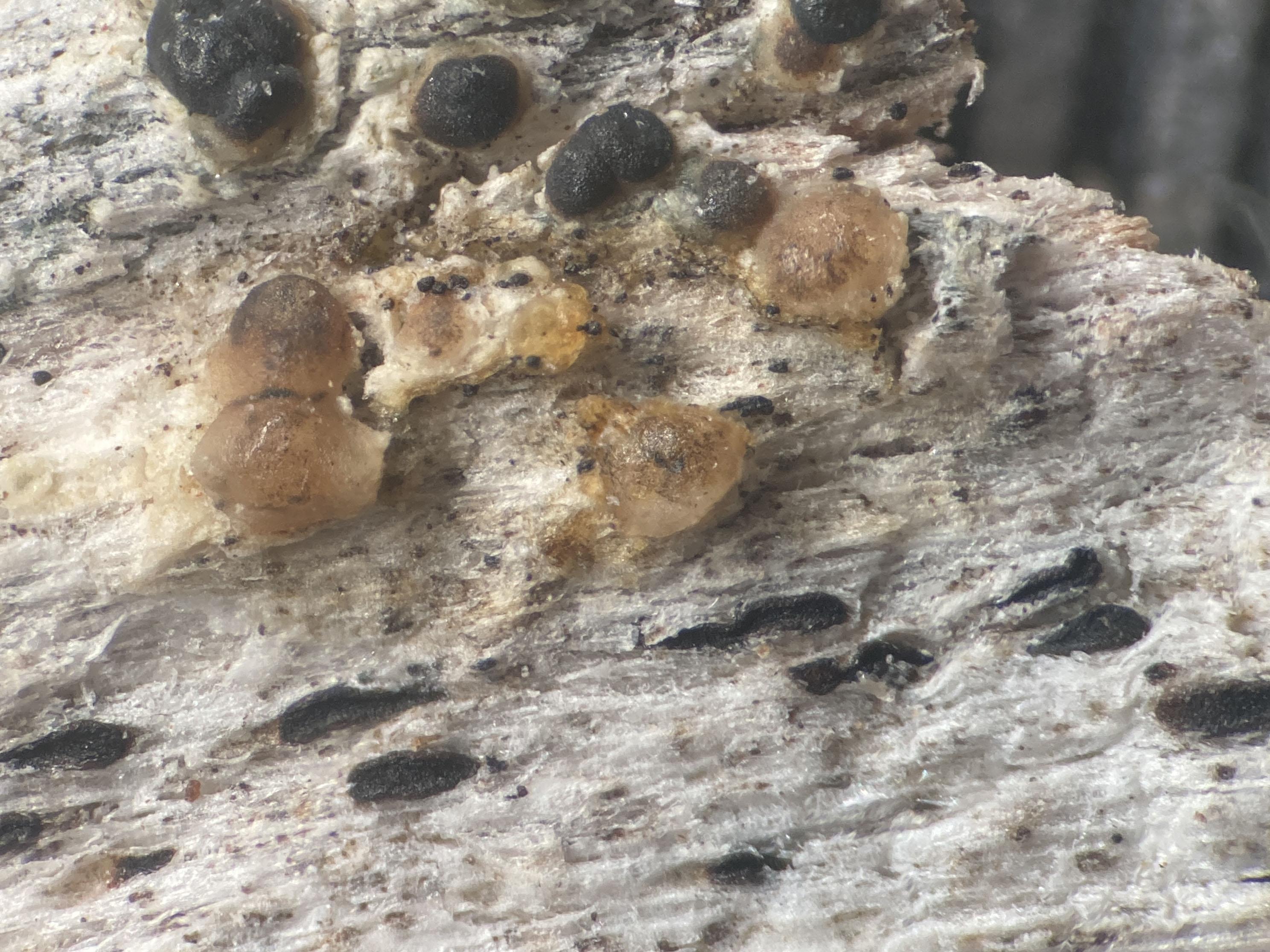
A stacked photo of Palicella filamentosa (centre) on Birch lignum, Xylographa parallela below and Lecidea turgidula above, Loch Killin, East Inverness
Neil
September 22, 2026 at 8:56 pm #70617Nice I had some at Low Force in County Durham too in August. Definitely not common but fairly widespread! I saw your nice page on the BLS. Looks great!
-
AuthorPosts


- You must be logged in to reply to this topic.