
Bright orange stalked asco
Forums › Forums › Ascomycetes › Bright orange stalked asco
- This topic is empty.
-
AuthorPosts
-
October 26, 2025 at 3:07 pm #33102
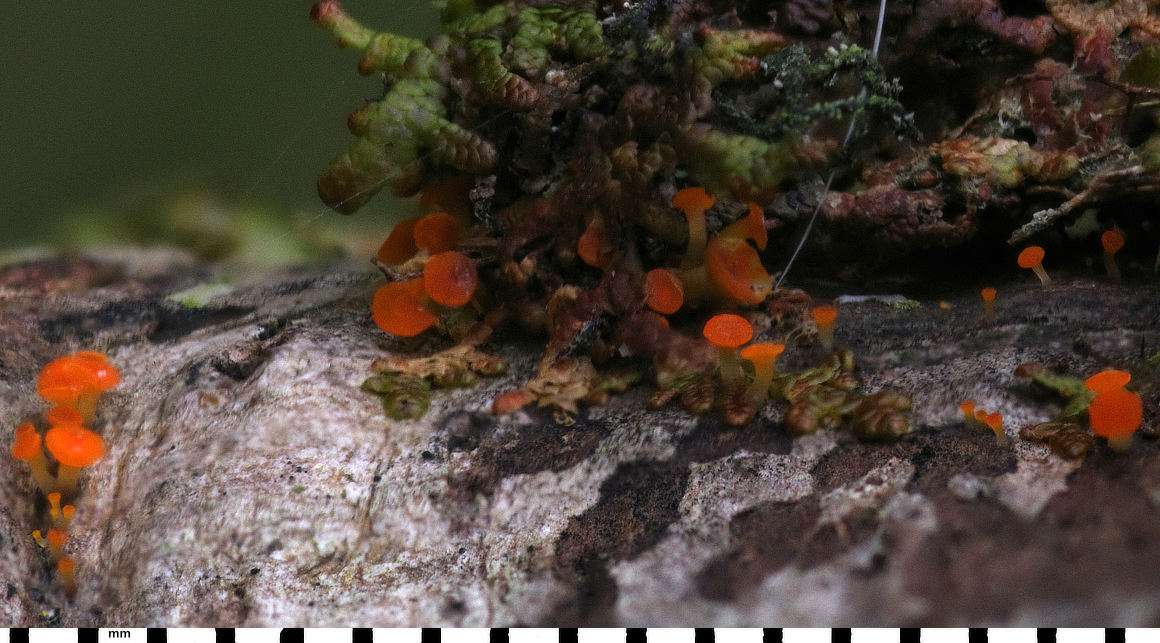
I’d be grateful for any suggestions for this striking orange-red asco found on a recumbent oak trunk in Cowal, Argyll. I’ve not been able to find a match in any books or online. I’m not very good at microscopy but the largest spores in a squash were about 5.3-6.7 x 2.2-2.6 mu, elliptical, hyaline, 8 per ascus. Paraphyses hyaline and of even width.
Not expecting a firm id, just the name of something it might possibly be, so that I can follow that up.
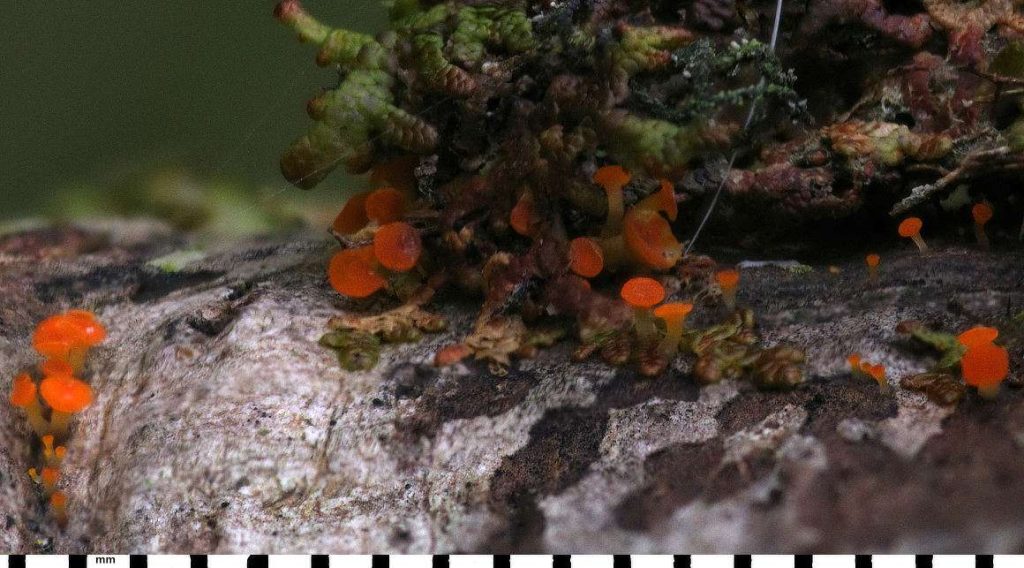
[attachment=4]251025fa-bm-8-forum.jpg[/attachment] 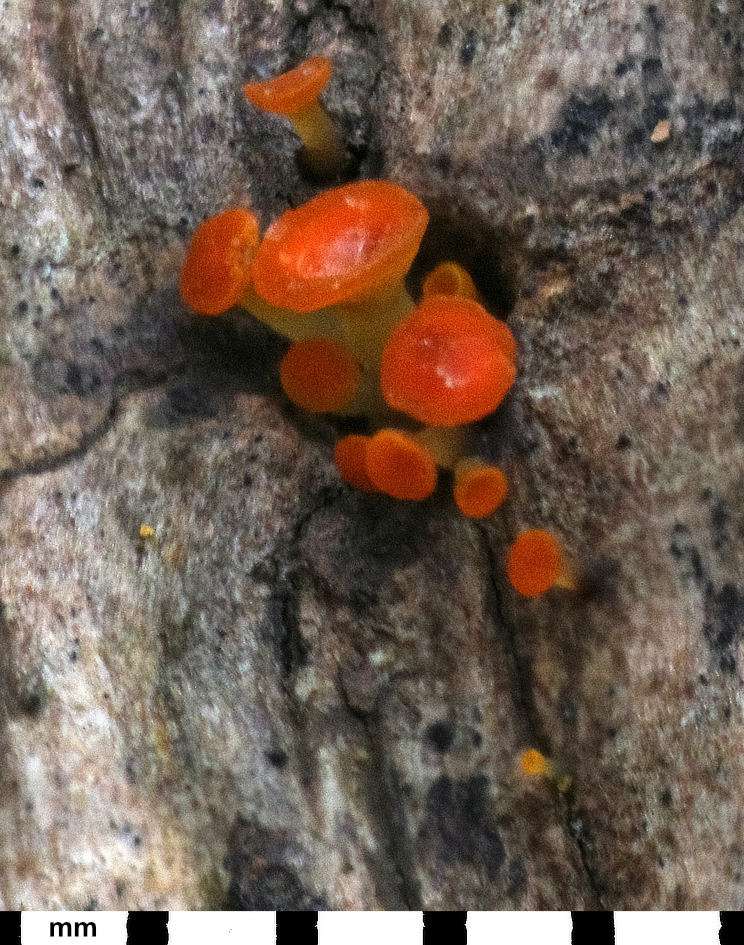
[attachment=3]251025fa-bm-9-forum.jpg[/attachment] 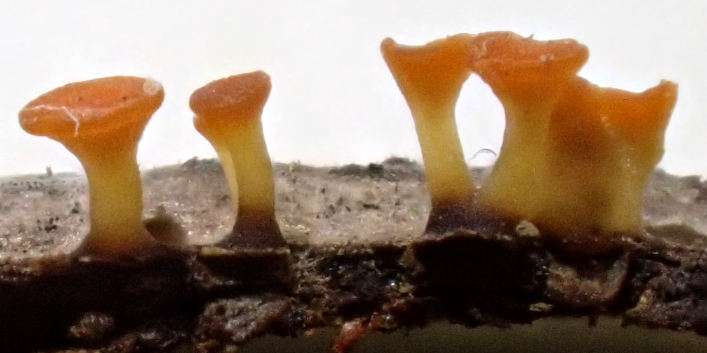
[attachment=2]PA257399-forum.JPG[/attachment] 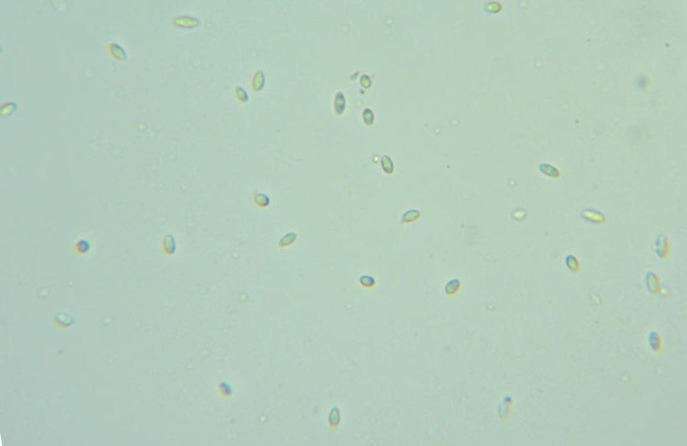
[attachment=1]251025-35-sq-spo-400x-forum.jpg[/attachment] 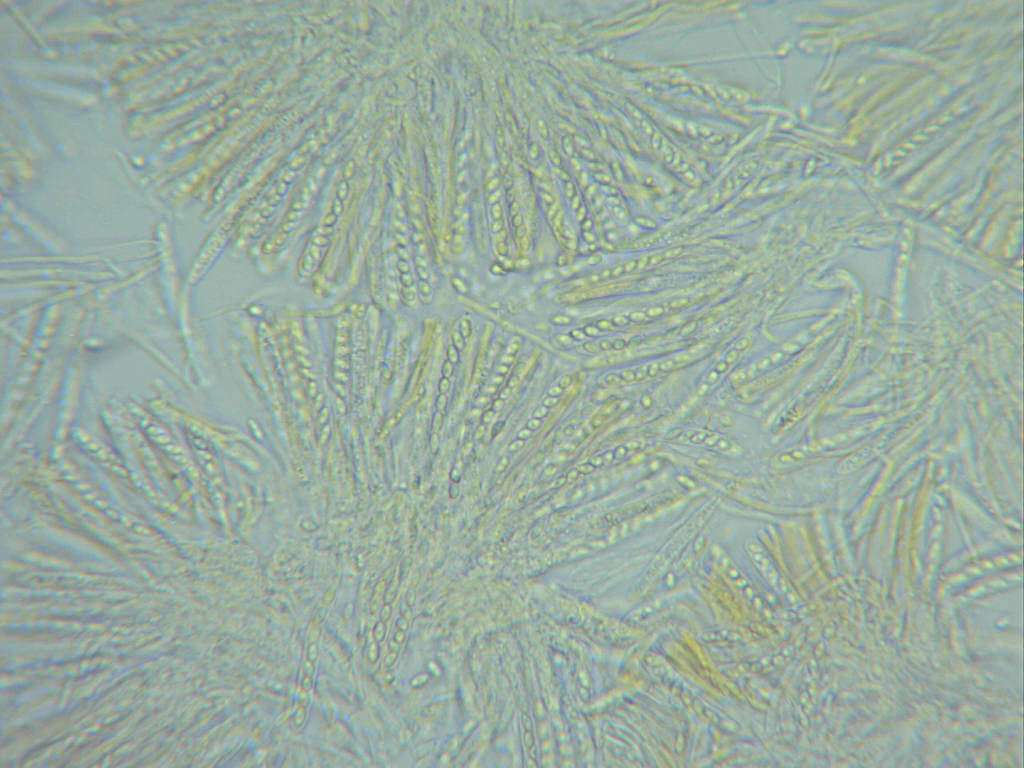
[attachment=0]251025-35-asci-2-400x-forum.jpg[/attachment] Many thanks for any help
Carl
October 27, 2025 at 3:58 pm #46725Hi Carl This should be easy, but I have no idea! If others don’t have a clue either, suggest you post on Ascofrance, there are many people there with a lot more knowledge than me…
Best wishes, and keep us informed!
Paul
October 27, 2025 at 5:33 pm #46726This could be something of much interest! – And I too am completely stumped by it! As Paul says, it looks as though it should be an easy ID – But I’ve never seen anything like it, and, having trawled through my asco books, can find nothing similar.
I was just about to post, suggesting that of UK Fungi’s registered members, Paul would be the most likely person to be able to ID it.
But with Paul having no clue either, I would definitely agree with his suggestion to upload your pics and description to AscoFrance (
http://www.ascofrance.com/ ).NB: the AscoFrance website defaults to French language, but if you click on the small Union Flag icon on the homepage, the entire site’s text is translated to English.
It is a marvellous (probably the best available) online resource for anything “ascomycete”, and I’d be surprised if no one on there could come up with a positive ID.
I do hope that you can utilise AscoFrance, and please do let us know back here on UK Fungi if you get whatever this is identified. – Best of luck with it!
Regards,
Mike.
October 27, 2025 at 7:34 pm #46727Thanks Paul and Mike, I’m used to seeing AscoFrance pages translated into English, but is it ok to post there in English? Or to trust an online translation tool to convert my English to French and post whatever it comes up with?!
October 28, 2025 at 10:12 am #46728Hi, I’ve posted several times (in English) on AscoFrance when I’ve been stumped by an asco find, and have always received nothing but genuine interest and typical friendly mycological fellowship in what’s been posted – And they’ve always come up trumps with answers to my queries!
Several other UK Fungi members, including the late Chris Yeates (professional mycologist and Yorkshire Recorder), a much missed “myco friend” who was a longstanding member and frequent contributor to the UK Fungi website also regularly contributed to AscoFrance using English language.
So I don’t think you need to have any concerns over posting in English. I’m more than certain that any of your asco queries will be warmly welcomed and will receive whatever help they can provide.
Best regards,
Mike.
-
AuthorPosts



- You must be logged in to reply to this topic.