Forums › Forums › Ascomycetes › Amazing orange disco for ID if poss pls
- This topic is empty.
-
AuthorPosts
-
May 30, 2015 at 7:44 pm #29432
Growing on the base of what used to be a pond. It was drained about a year ago, and the first plants are establishing, plus these amazing little chaps. Discs up to 2mm

[attachment=6]P1100403.JPG[/attachment] 
[attachment=4]P1100417.JPG[/attachment] A few scattered hairs (?) around apothecia

[attachment=1]P1100424.JPG[/attachment] Spores which had escaped asci were 17-19 x 9-10µm

[attachment=2]P1100423.JPG[/attachment] In cotton blue

[attachment=5]P1100406.JPG[/attachment] In 10% ammonia

[attachment=3]P1100421.JPG[/attachment] Not forgetting Melzers – no reaction from asci but paraphyses strongly +

[attachment=0]P1100425.JPG[/attachment] May 30, 2015 at 8:03 pm #34753Nice pictures – they show the warted surface of the spores very well. Cheilymenia crucipilalooks like it might fit the bill.. (FoS, vol1 p100)? May 30, 2015 at 10:23 pm #34754I think that the spores look more reticulated than finely warted. If so, then everything would fit with the initial flat disc stage of
Melastiza cornubiensis– Orange Cups. See Jordan – Encyclopedia of Fungi of Britain & Europe – page 38.
I found some back in 2010, (mid June), and eventually got a shot showing both the flat discs and the final cup shaped fruitbodies: –
Mine were amongst the first colonisers of large quantities of mud from a woodland pond cum Victorian paddling pool that had been dredged and scattered to dry in an adjacent grassy part of the woodland.

[attachment=0]Orange Cups – Melastiza cornubiensis.jpg[/attachment] Regards,
Mike.
May 30, 2015 at 10:32 pm #34755Ah, that’s interesting, I’ll head back in about a week? I never knew they changed into cups. May 30, 2015 at 10:39 pm #34756Mike I think you have two species in your photo. The Melastiza has dark “hairs” the Cheilymenia has pale hairs. The spores of Melastiza has much more defined ridges
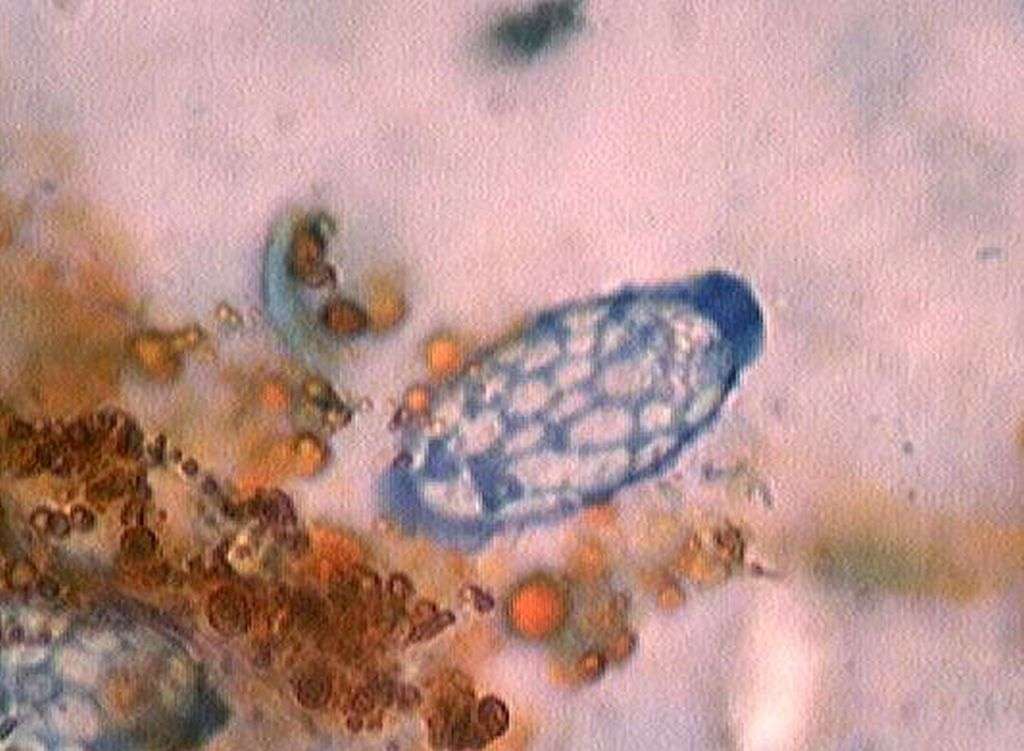
[attachment=0]spore stack 2.jpg[/attachment]
I think Scutellinia (Cheilymenia) crucipila is a good shout for this find without the use of a microscope.Mal
May 30, 2015 at 11:09 pm #34757Flaxton wrote:Mike
I think you have two species in your photo. The Melastiza has dark “hairs” the Cheilymenia has pale hairs. The spores of Melastiza has much more defined ridges . . .
Hi Mal,I can’t argue – as it was almost five years ago and I can’t recollect exactly how defined the ridges were on the spores from my samples.
This is a case of “come back WAB all is forgiven” as I had posted all the micro shots – spores, “orange filled” paraphyses, etc. etc. on WAB and the consensus of those who made suggestions (I remember that Chris was amongst them) was that I had typical
M. cornubiensis. I’ve just looked back in the various photo folders on my computer and have come to the conclusion that I must not have kept the microscopy shots as I just can’t find them.
I don’t recollect there being any discussion of the possibility of two species in my macro-shot at the time – but I can accept that it can’t be ruled out.
Regards,
Mike.
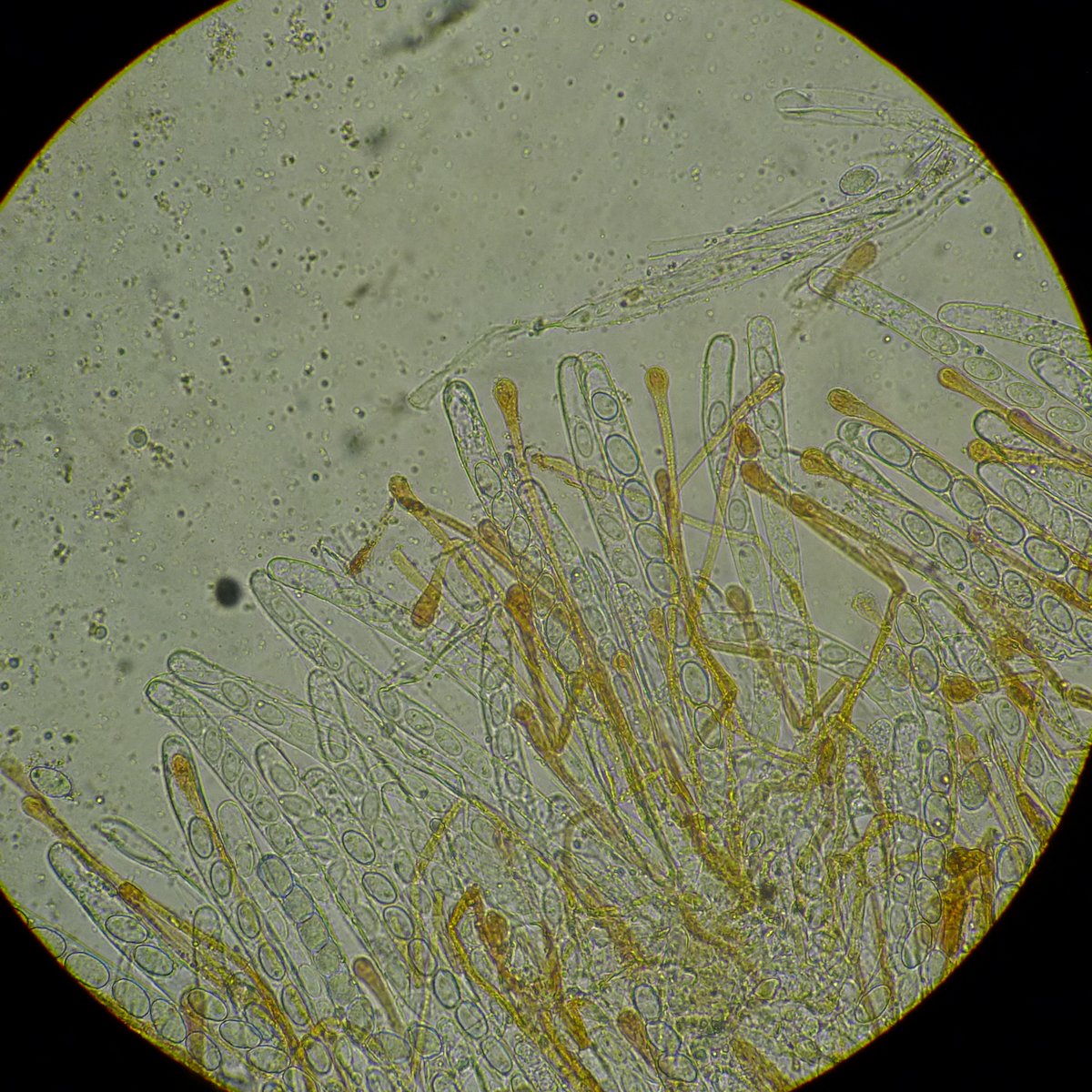
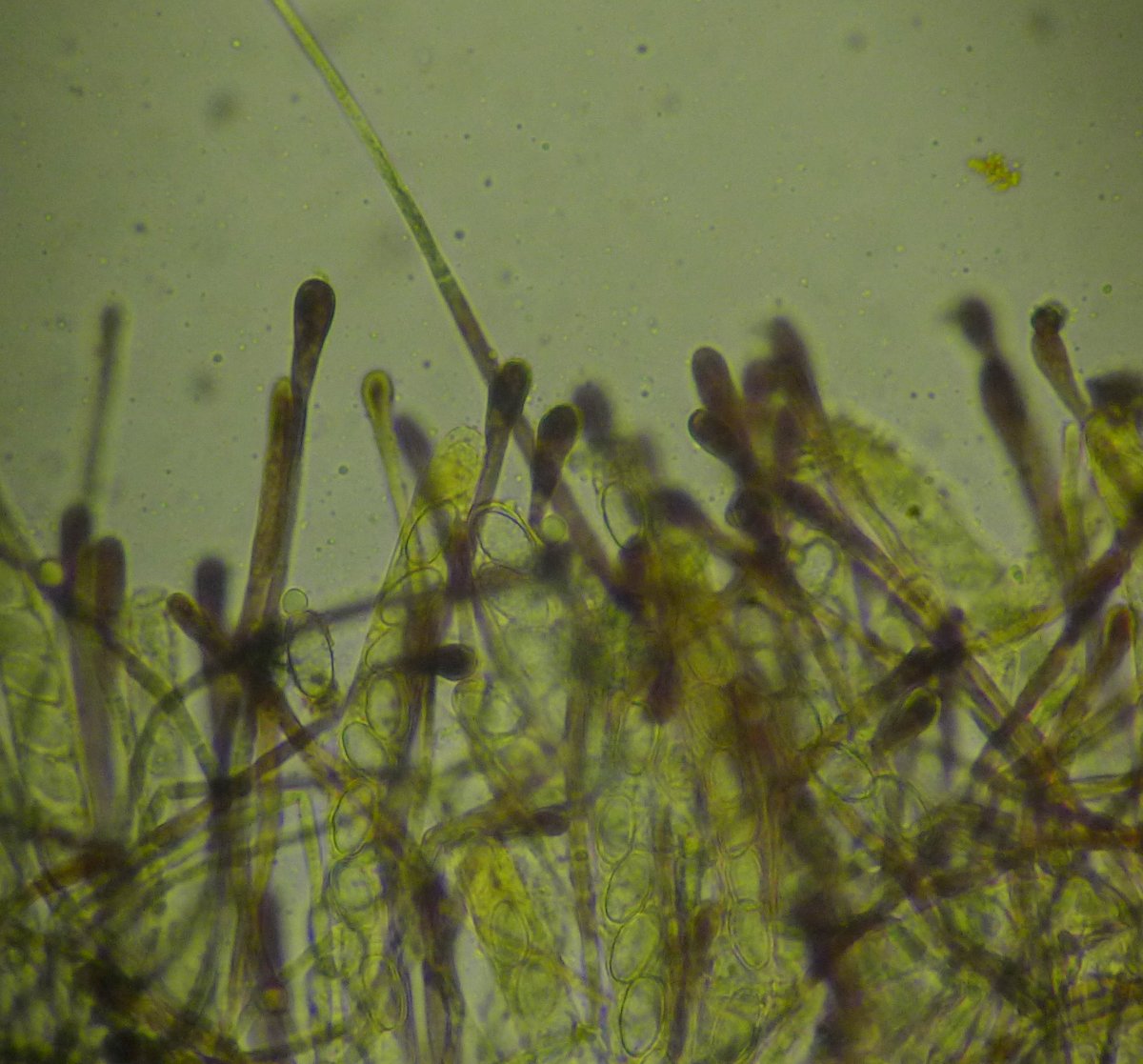
October 28, 2015 at 3:21 pm #34758Hi adam, those paraphyses reminds those I have seen in the case of
Kotlabaea deformis. It grows on rich soil, but I have seen it on plant debris, too. Marja
-
AuthorPosts




- You must be logged in to reply to this topic.