
Resupinate (was "Pink, crusty Lichen")
Forums › Forums › Crust fungi, Bracket Fungi etc › Resupinate (was "Pink, crusty Lichen")
- This topic is empty.
-
AuthorPosts
-
August 9, 2015 at 7:55 am #35633
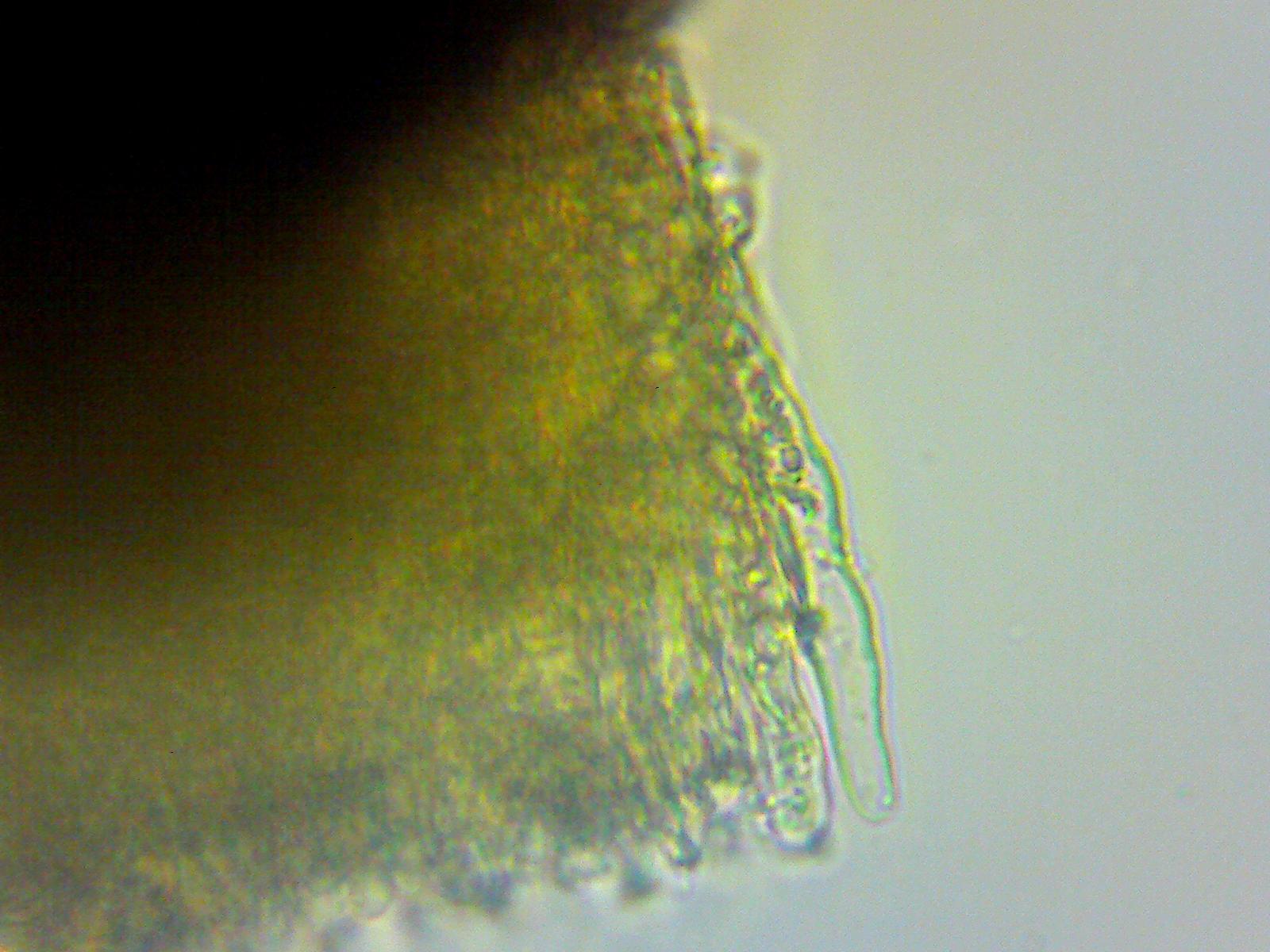
The spores didn’t work, but I’ve left the twig lying directly on the slide. I’m away this afternoon so I can only look at the spores tomorrow. But this morning I’ve had another go at trying to find the basidia, cystidia etc. and I think I have better results. I don’t know what to look for though! 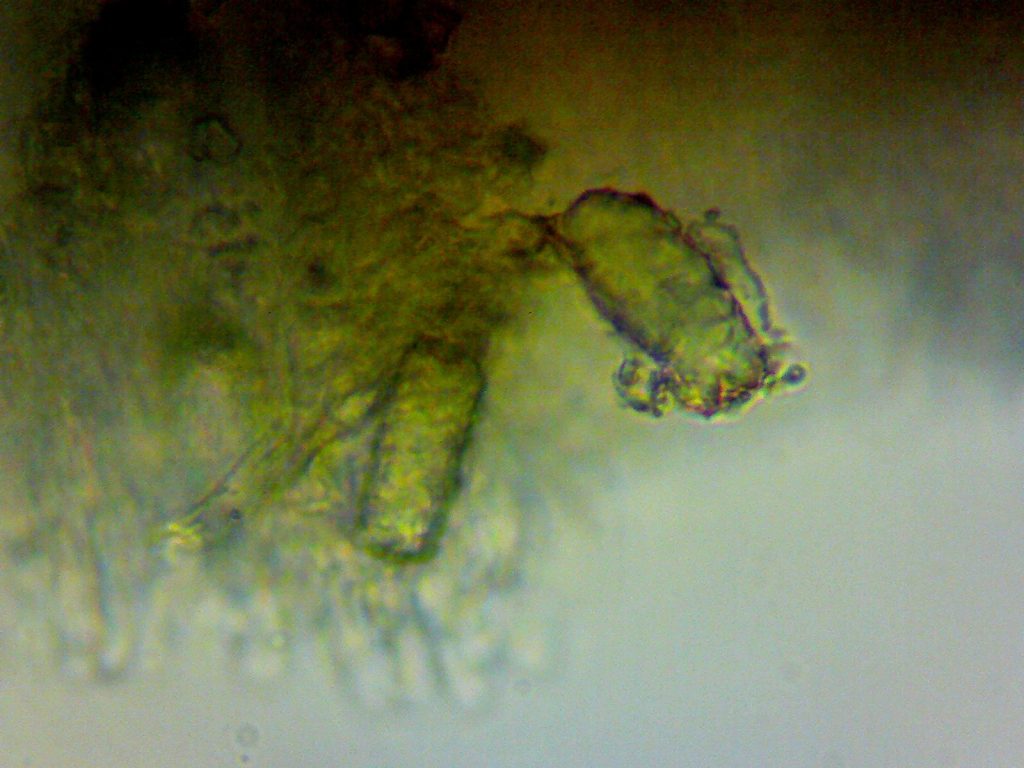
[attachment=5]Site001 – Fungus003 – 9th August 2015.jpg[/attachment] 
[attachment=4]Site001 – Fungus003 – 9th August 2015.jpg (2).jpg[/attachment] 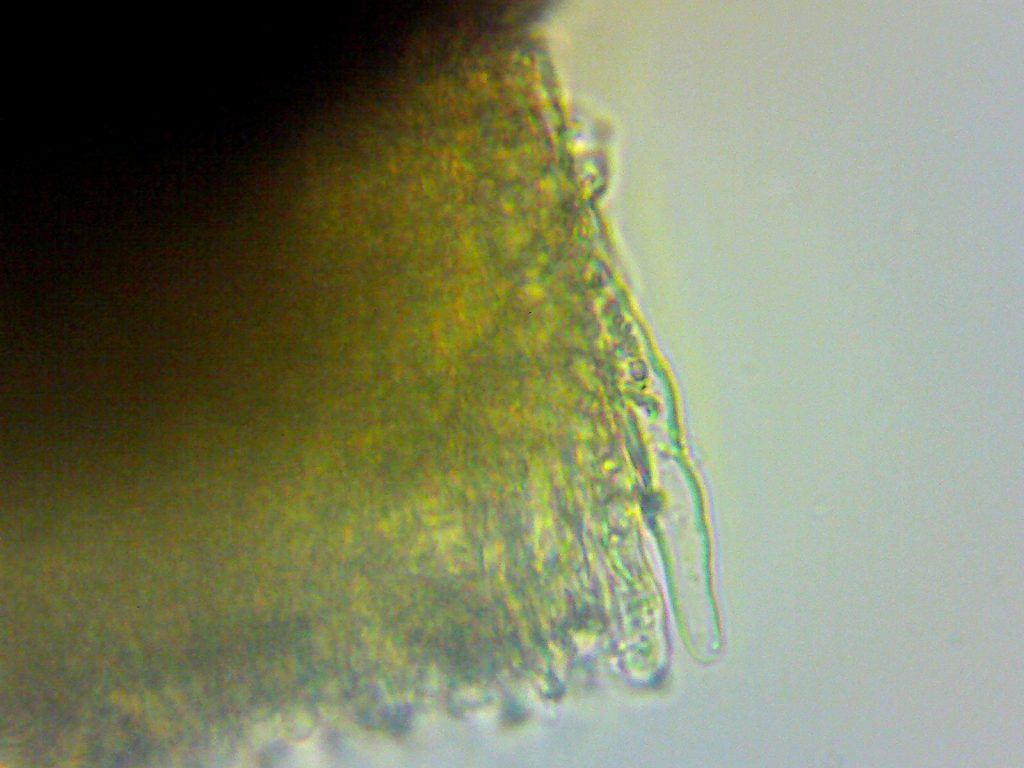
[attachment=3]Site001 – Fungus003 – 9th August 2015.jpg (3).jpg[/attachment] 
[attachment=2]Site001 – Fungus003 – 9th August 2015.jpg (4).jpg[/attachment] 
[attachment=1]Site001 – Fungus003 – 9th August 2015.jpg (5).jpg[/attachment] 
[attachment=0]Site001 – Fungus003 – 9th August 2015.jpg (6).jpg[/attachment] August 9, 2015 at 7:56 am #35634These are the photos I wasn’t able to add to the previous comment: 
[attachment=1]Site001 – Fungus003 – 9th August 2015.jpg (7).jpg[/attachment]
.jpg” index=”0″> [attachment=0]Site001 – Fungus003 – 9th August 2015.jpg ( .jpg
.jpg[/attachment] August 9, 2015 at 8:08 am #35635Afraid I can’t add much, just that as Mike said, getting spores is generally just a case of putting it on a slide, cover it and leave it overnight. Keeping it off the slide is more important with jelly fungi, as they smear on the slide otherwise, and makes the spores harder to see (plus you might get immature spores, with a smaller size) I usually put the slides in my compartmentalised “fishing box” which has a lid, and leave it in the fridge overnight. It keeps the samples fresh and the humidity up. A resupinate lasts a lot longer than agarics though, and it might have dropped its spores already, or it might be still ripening. Some of these fungi are very tough, and need breaking up a bit, and while squashing on the slide is eonugh for agarics, these most likely will need more force. I’m sure someone could offer techniques on this, I currently avoid them..
August 9, 2015 at 8:13 am #35636Thanks Adam for the info. Does it matter where you keep the slides after they are prepared and looked at? What do you use to keep them? Here’s one more photo which I just took:

[attachment=0]Site001 – Fungus003 – 9th August 2015.jpg (9).jpg[/attachment] August 9, 2015 at 8:24 am #35637When I’ve finished with them, I wipe them clean with Mr Muscle glass cleaner.  August 9, 2015 at 9:34 am #35638jimmymac2 wrote:
The spores didn’t work, but I’ve left the twig lying directly on the slide. I’m away this afternoon so I can only look at the spores tomorrow. But this morning I’ve had another go at trying to find the basidia, cystidia etc. and I think I have better results. I don’t know what to look for though!
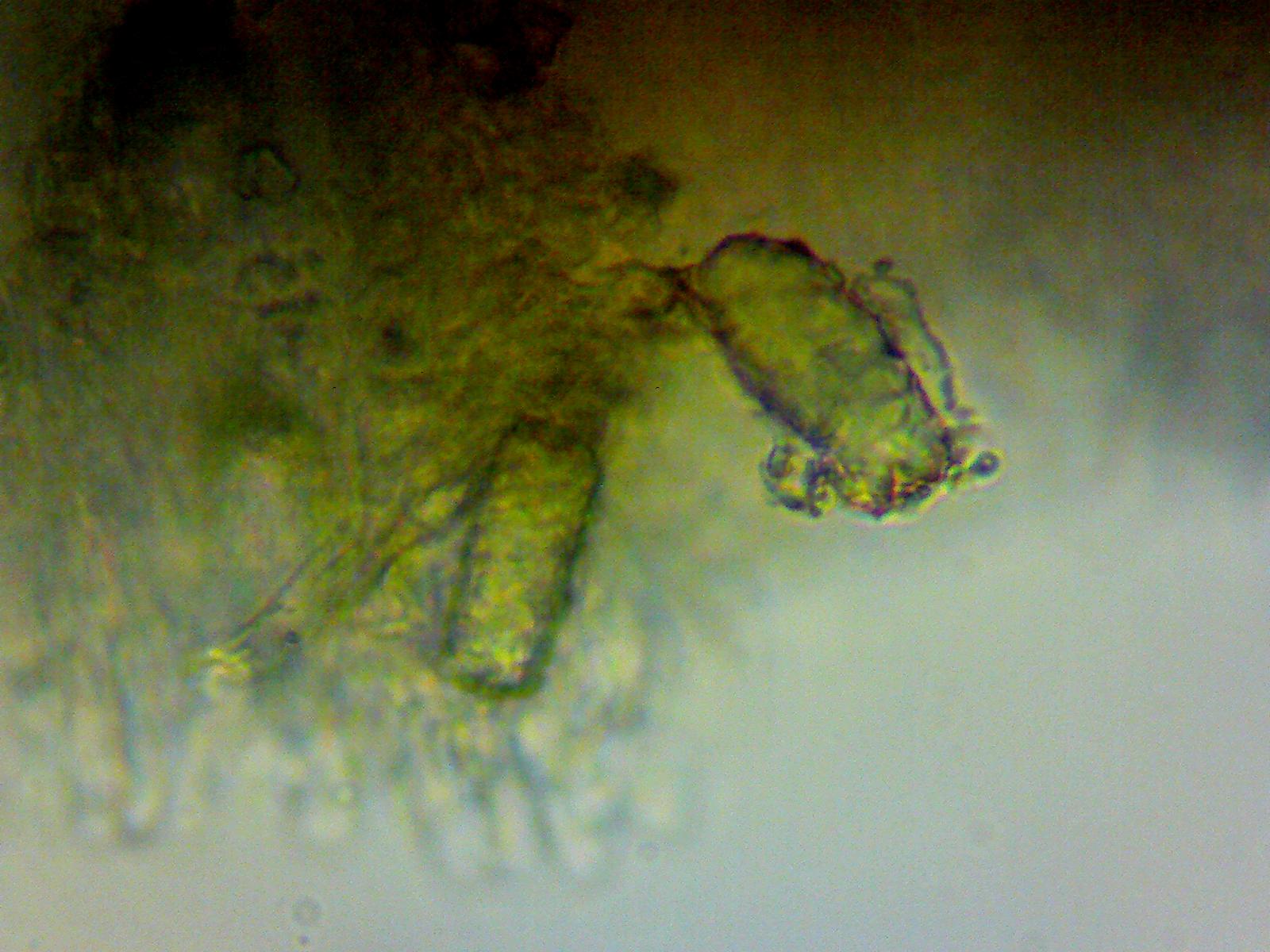
[attachment=2]Site001 – Fungus003 – 9th August 2015.jpg (4).jpg[/attachment] Image 4 is encouraging, I can see two types of cystidia, both associated with
Peniophora. Take a look at my early efforts with corticioids:
http://outerhebridesfungi.co.uk/species.php?id=165 A single spore is next to useless. If it belongs to the fungus it’s quite likely immature. Persevere with the spore-drop. If the twig and fungus look dry, soak it for a while, remove excess water and reset it.
Regards, Chris
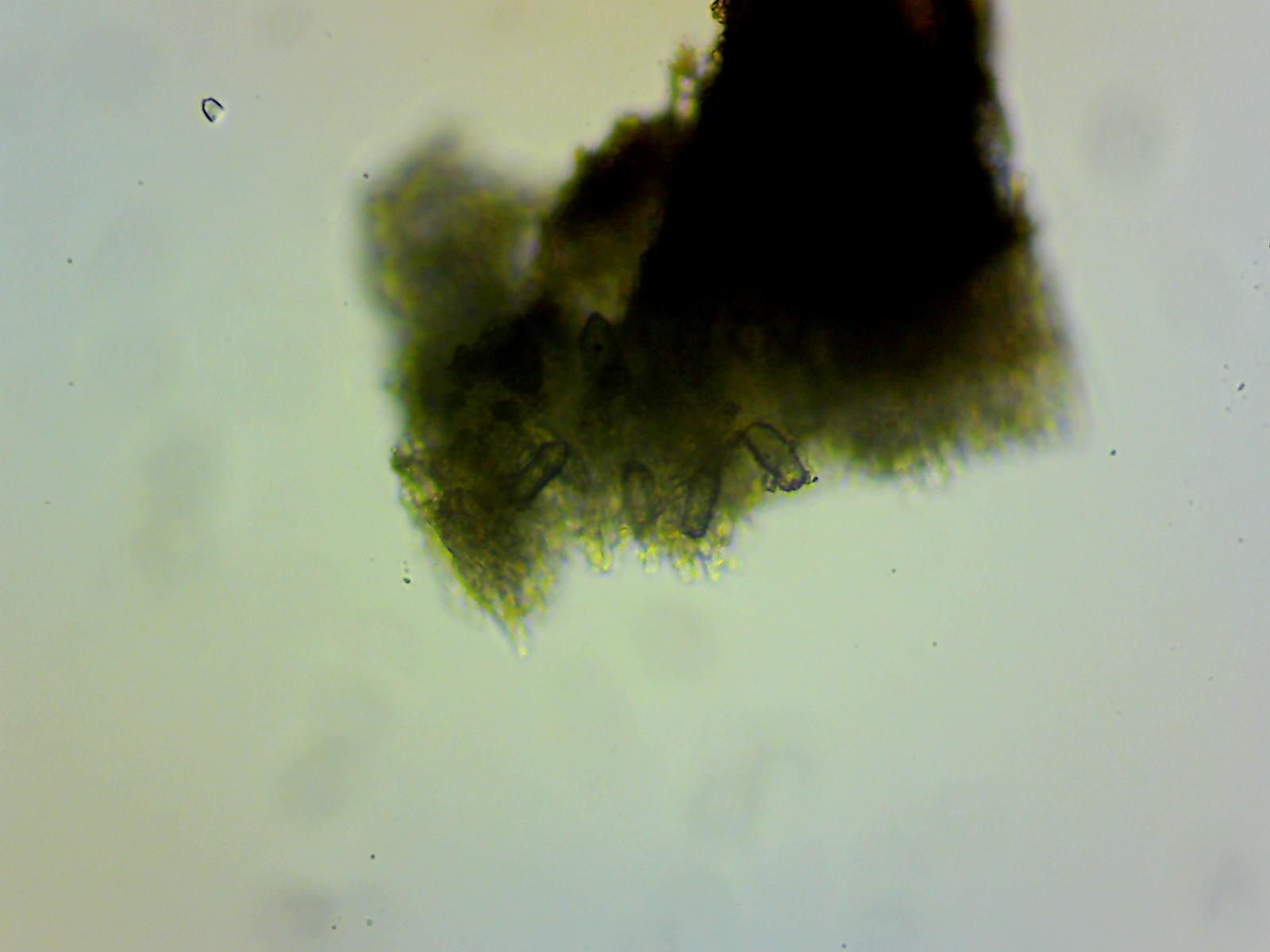
August 9, 2015 at 12:32 pm #35639Hello, so sorry, but the microscopical pictures are too thick to see anything. You need to take as less material as you can. We say “when you can see your preparation, it’s still too big”

In this group of crust fungi (Corticiaceae) you will unfortunately have to cut a section through the fruitbody. I think this is one of those that nowadays are grouped within the Russulales and those crusts are very densely woven. So you can’t just pick something out of it and look, you need to make a very thin cut through the whole fruitbody (including some adhering wood …).
I had the idea of Peniophora too, but usually P. incarnata doesn’t lift the margins like in your foto. This might be due to the dryness, but it might as well be something else. Are you sure about the twig being willow? Or could it be aspen too?
Be it as it is, without microscopical details as cystidia, clamps and spores there is no chance of a definite determination.
best regards,
Andreas
August 9, 2015 at 3:59 pm #35640Thanks Andreas and Chris. My next step will be to try the spores tomorrow and hopefully that leads somewhere. The tree was definitely Weeping Willow, I knocked the twig off the tree myself (accidentally)!
James
August 9, 2015 at 5:23 pm #35641Definitely a Peniophora; but the trouble is that the tough fruitbodies last a long time, often far beyond the spore-producing stage (and are very difficult to examine unless you’ve collected it at just the right time). Unless you get a significant spore deposit I wouldn’t waste any more time on it. Andreas is right,
P. incarnatadoesn’t have raised margins like this; P. quercinadoes, but so do several other species. Corticioids are difficult even for people with many years of experience; they are just depressing for the beginner. If it is on elder and looks like white paint it’s http://www.basidiochecklist.info/DisplayResults.asp?intGBNum=1325 ” class=”bbcode_url”> http://www.basidiochecklist.info/DisplayResults.asp?intGBNum=1325 Chris
August 9, 2015 at 9:43 pm #35642Hi Jimmy, This is certainly a Peniophora (from your photo of the actual twig and the cystidia in your micrographs) – they are a very common kind of crust fungus and can have beautiful crystalline spear-shaped cystidia, which you need a bigger magnification to see properly. I get a species of Peniophora on fallen Lime twigs from the crown of street trees in Sheffield – Peniophora rufomarginata. Another common one is on Oak – P. quercina, and a lovely grey-lilac one on Privet and Lilac! There are a a good number of them, and most British species are in Buczacki’s Fungi Guide – which although has some drawbacks (not brilliant illustrations, and an index in minute print) is very comprehensive and gives you a chance to name some more obvious crusts. He gives you spore details. Peniophora spores are quite big and sausage-shaped. Other microscopy depends on what state the crust is in – sometimes you can’t see much. If you don’t get spores, put the crust out into the garden, leave it as food for mini-beasts and forget it.
To be honest, I find crust fungi (which I think is a useful term as they are all flat and crust-like, although very diverse, including all sorts – even Jelly Fungi and Bolete-types – so have evolved from many kinds to a similar life-style, like truffles) very satisfying
😆 . But you do need decent literature and a good microscope, as 95% of the ID is on microscopy.August 10, 2015 at 6:41 am #35643Thanks Steve. No spores dropped last night, so I’m going to try again. I’ve cut a few slits in the fruitbody and placed it face down on the slide – fingers crossed!!!

The presence of a possible immature spore in my other micrographs seems encouraging…
August 10, 2015 at 1:03 pm #35644Resupinates are very difficult for me. There are very few that I would be able to id macroscopically (don’t do microscope work). One I am confident with is Terana caerulea Cobalt Crust which seems to be fairly common in Glamorgan VC41. I can even point it out locally when it’s not ‘cobalt blue’ but ‘matt black’ as I’ve seen it there before! August 10, 2015 at 7:59 pm #35645jimmymac2 wrote:. . . .
No spores dropped last night. . . .
= compost heap IMHO . . . .Chris
August 11, 2015 at 10:22 am #35646My last try to get the spores failed again😥 August 11, 2015 at 10:42 am #35647Chris Yeates wrote:jimmymac2 wrote:. . . .
No spores dropped last night. . . .
= compost heap IMHO . . . .Chris
The shredder would be better, might produce something identifiable … -
AuthorPosts



- You must be logged in to reply to this topic.