- This topic is empty.
-
AuthorPosts
-
March 12, 2022 at 9:02 pm #32319
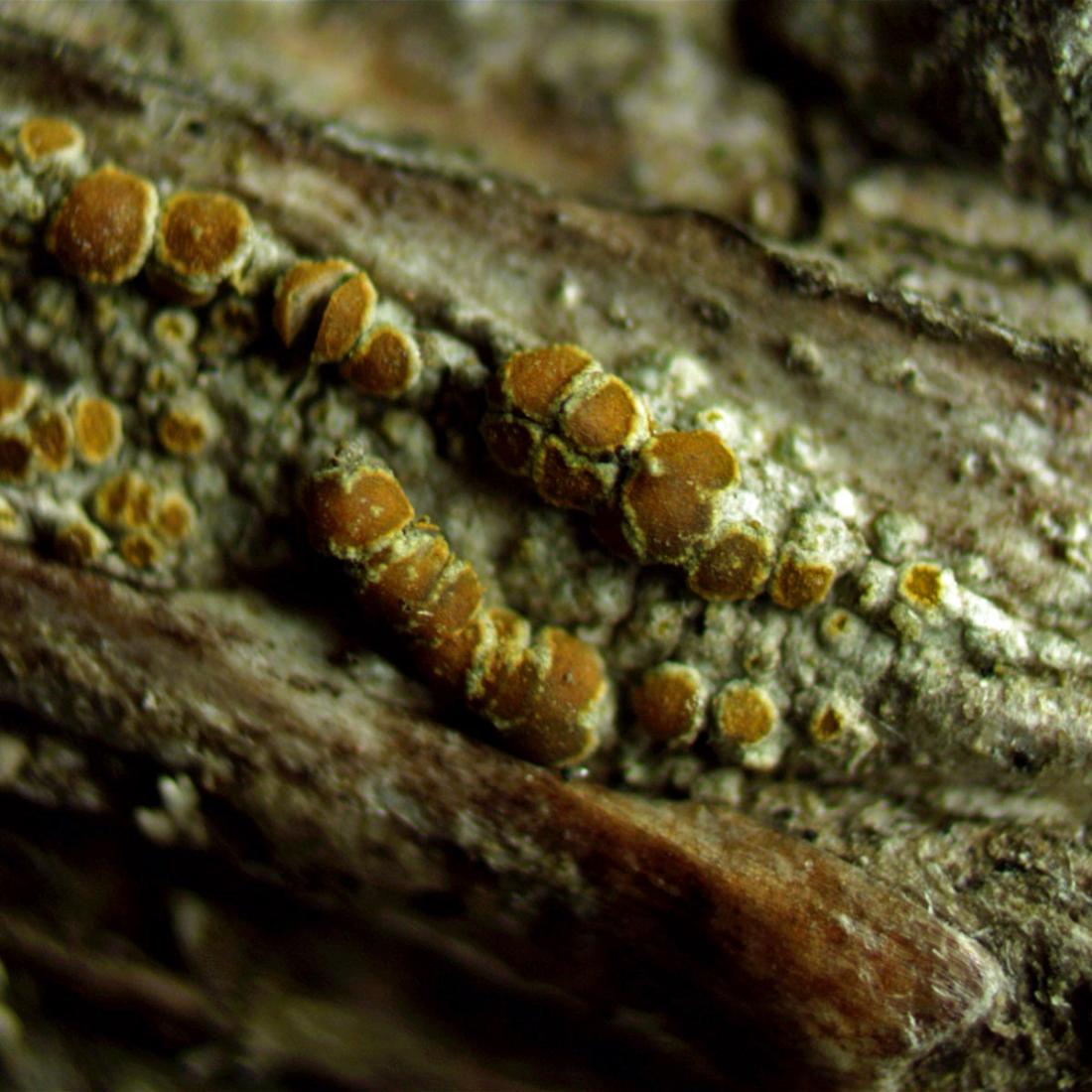
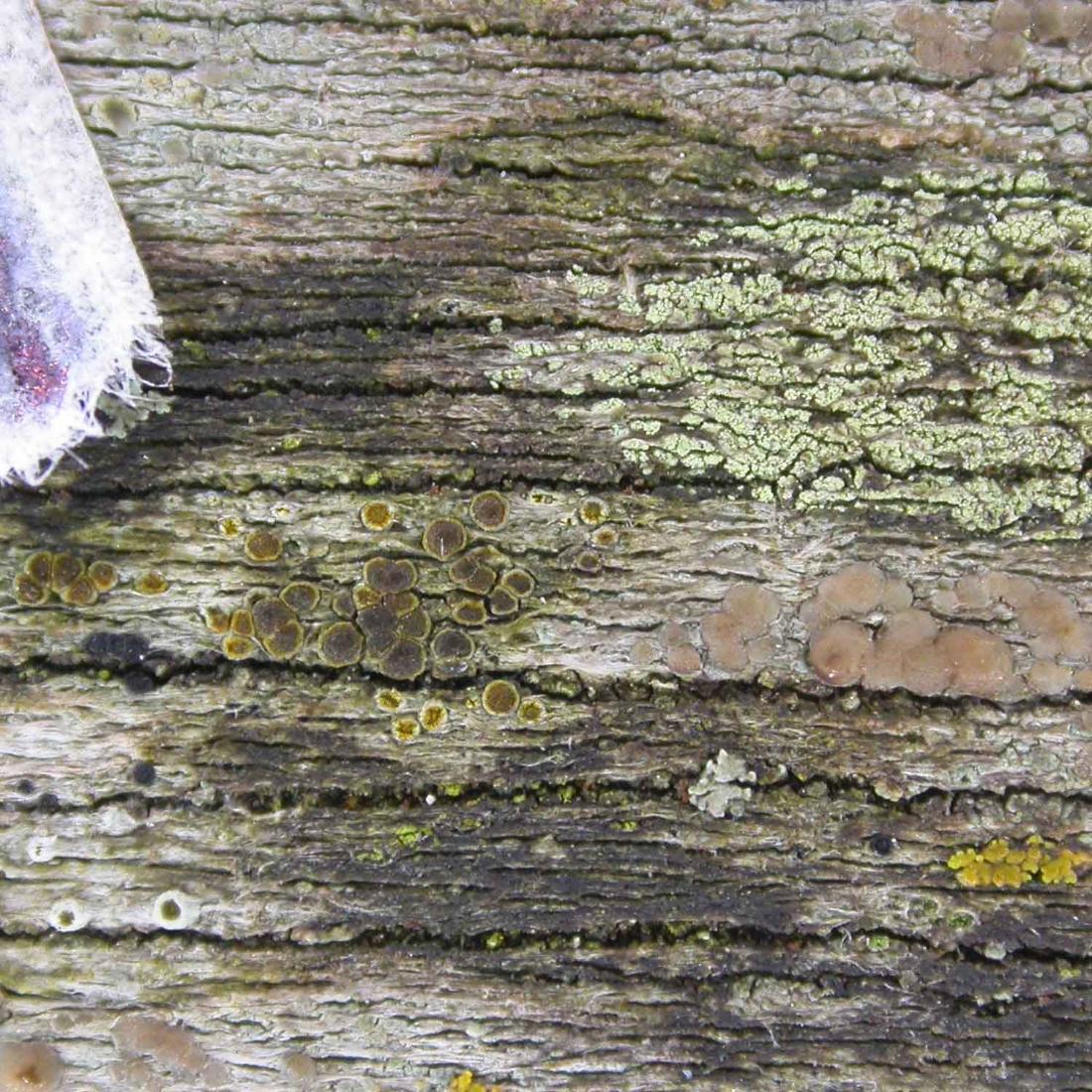
Before I bin this one and get on with my life, does anyone know what it is? It is on a fence post – a possibly placodioid white thallus, yellow disk with a parietin scuff over the edge of the fruit. I tried to see how it was attached and it didn’t come off like a Xanthoria. Maybe it is just in a poor state because of infection. There was another similar thallus on this lignin sample. March 13, 2022 at 10:39 am #44699The colour of the discs, a sort of gingery marmalade colour, puts me in mind of Caloplaca asserigena. It is a bit of a tricky one to confirm because the description in LGBI2 seems to have significant shortcomings (when I compare material confirmed as C. asserigenaby Brian with the description). 
[attachment=4]Screenshot 2022-03-13 10.20.04 AM.png[/attachment]
https://twitter.com/obfuscans3/status/999016727387222017 The only thing that seems a little odd about your specimen for
C. asserigenais the rather well-developed, conspicuous thallus. Normally the thallus is less conspicuous and one mainly notices a cluster of little apothecia with ginger orange discs. I am not ruling out C. asserigenabecause it may be that production of apothecia has been somewhat suppressed in your specimen and hence the thallus more apparent. The prominence of the thallus in your specimen merely makes my suggestion slightly more tentative. As noted in the image above, the description of
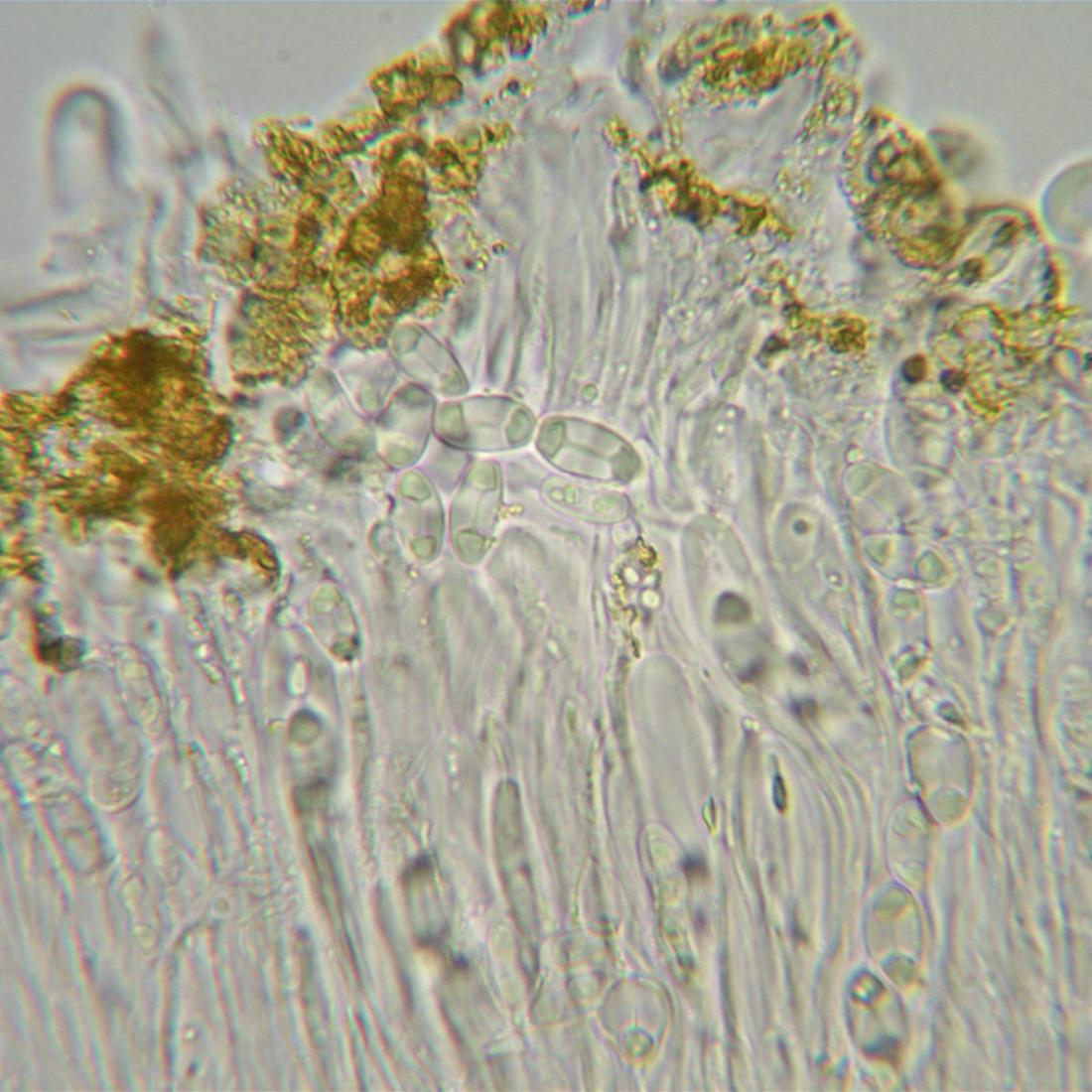
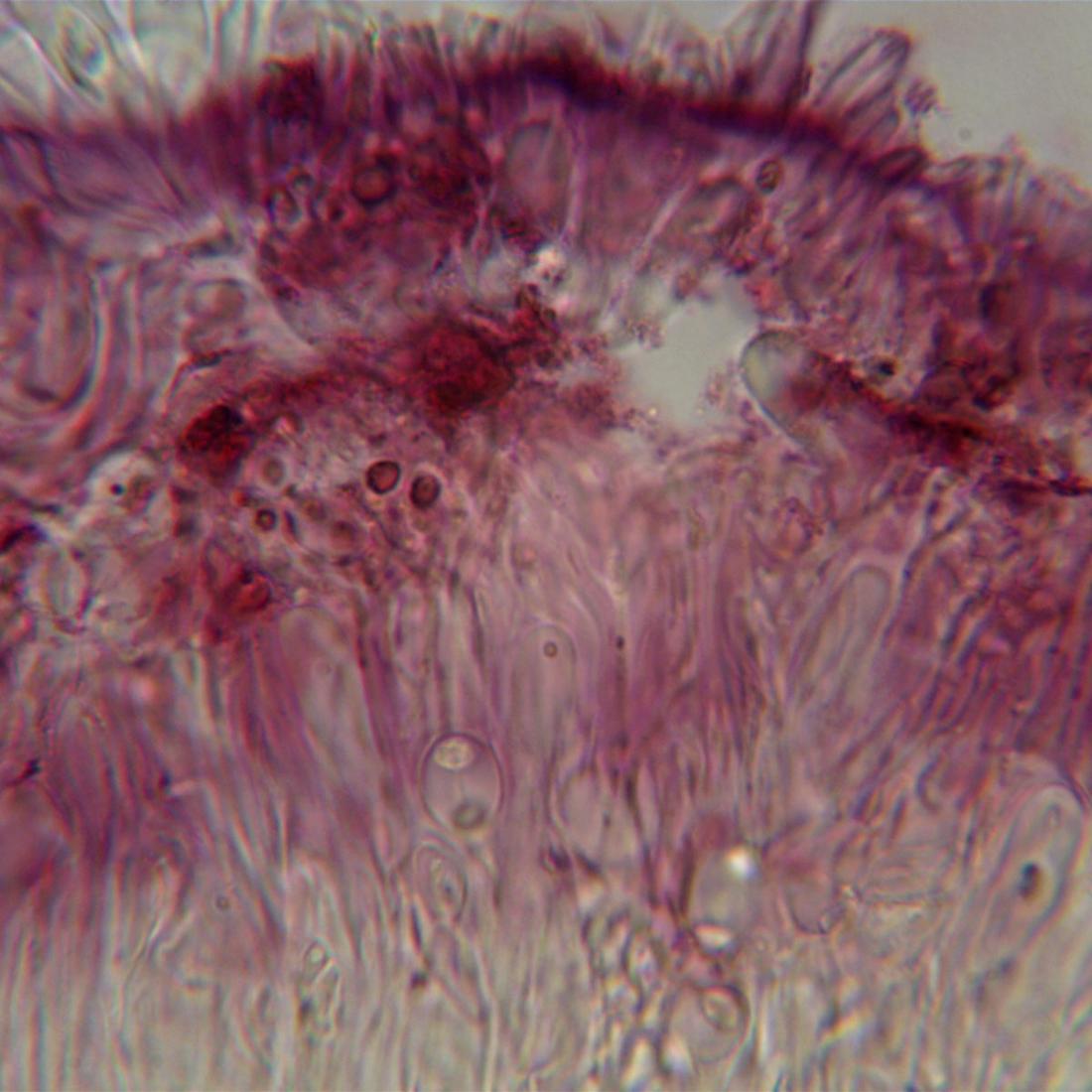
Caloplaca asserigenain LGBI2 appears to have several problems. Disc is gingery yellow-orange (not rust-red), ascospores have a broader septum than stated and the epithecium has an intense (not ‘slight’) K+ purple reaction. 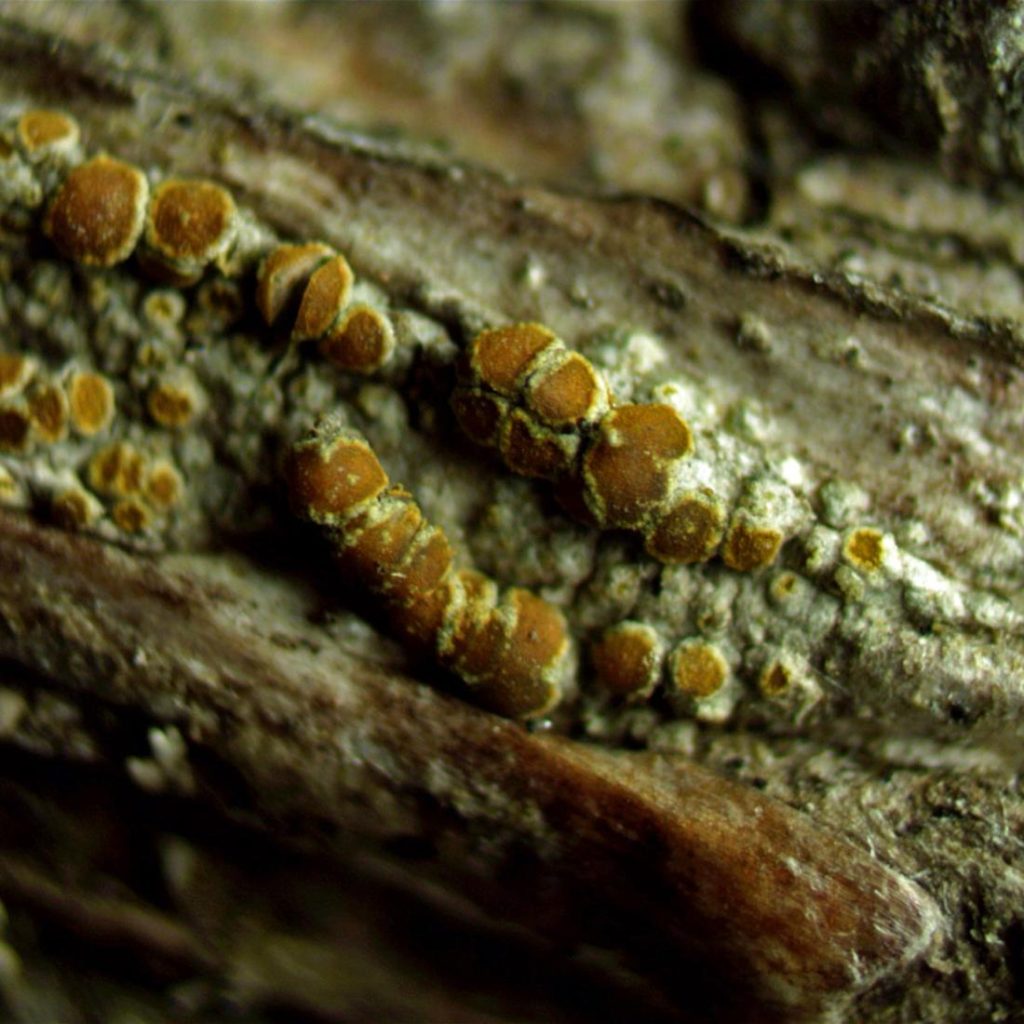
[attachment=3]Dd04CidVAAAMZf_.jpeg[/attachment] 
[attachment=2]Dd04HKSVQAAhRHl.jpeg[/attachment] 
[attachment=1]Dd04KEMVMAEOJKW.jpeg[/attachment]
LGBI2 states thatC. asserigenagrows on acid-barked twigs. That is undoubtedly true but I have also found what I have recorded as C. asserigenaon lignum. 
[attachment=0]EN4L_1kX0AAb0wf.jpeg[/attachment] I’m sorry that I can’t even come close to giving your specimen a confirmed determination but thought you might be interested to consider
C. asserigenaas an relatively exciting possibility. Mark
-
AuthorPosts


- You must be logged in to reply to this topic.