- This topic is empty.
-
AuthorPosts
-
September 20, 2021 at 9:16 pm #32166
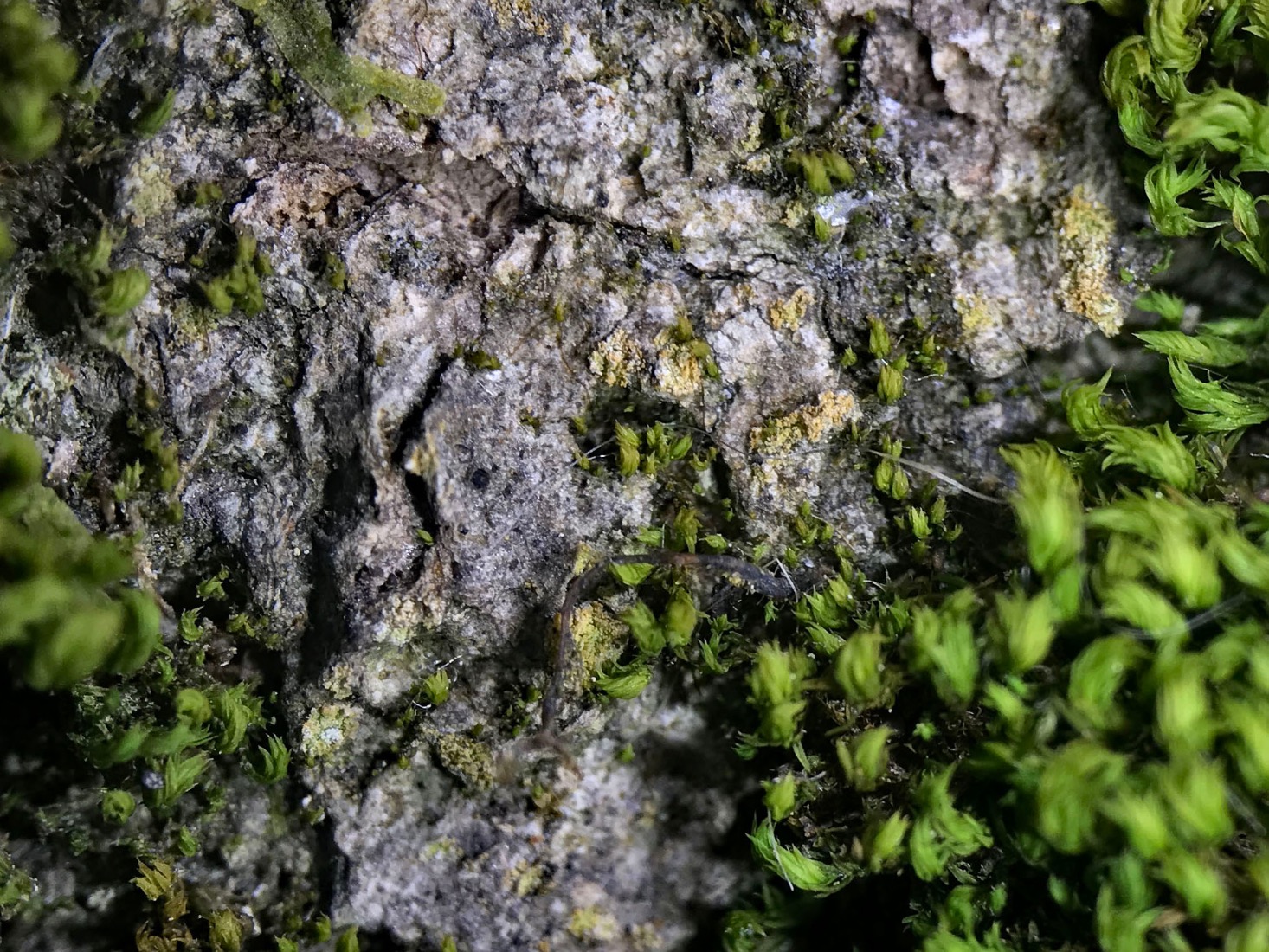
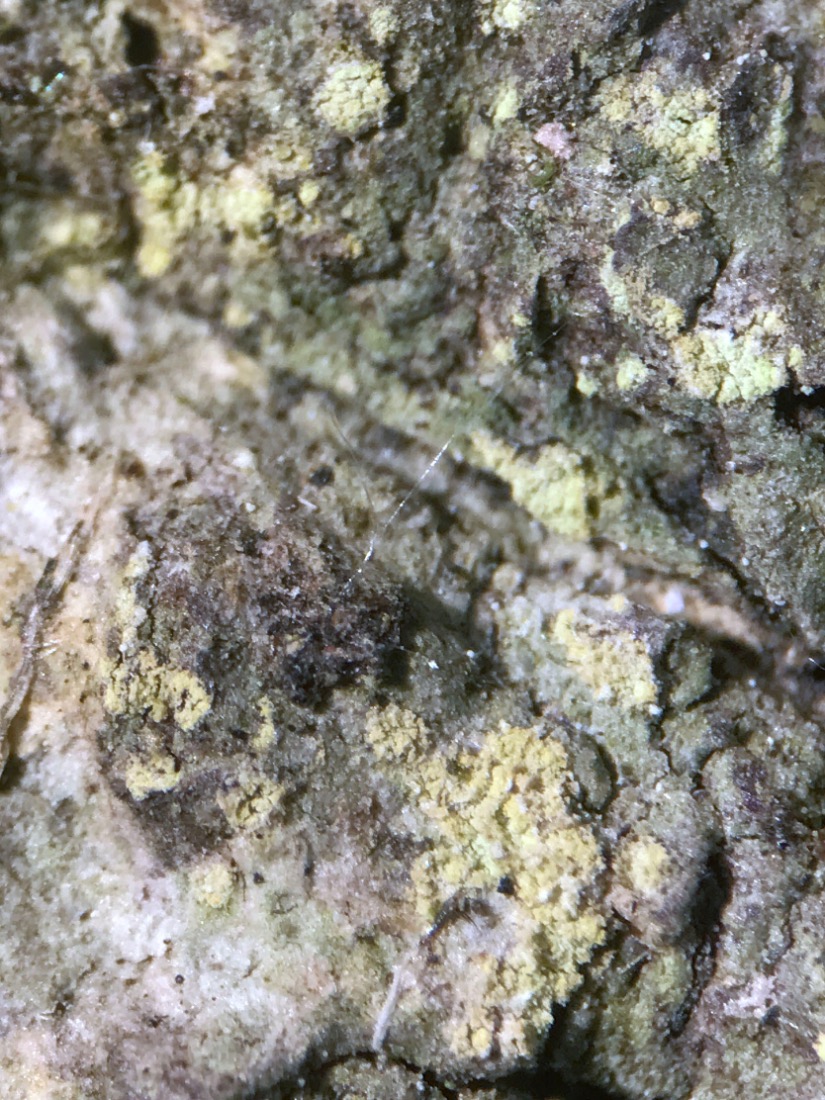
A long term New Forest problem taxon was finally named in a recent paper (Ertz et al, 2021) https://doi.org/10.1017/S002428292000050Xhttps://doi.org/10.1017/S002428292000050X” class=”bbcode_url”> Thelopsis corticola( Opegrapha corticola) and Porina multipuncta( Opegrapha multipuncta) but does not quite match either. It proved to be distantly related to Thelopsis corticolaand likely to be in the same family, the Gyalectaceae, but not closely related to any known species so was placed in a new genus. It was called Francisrosea bicolorin honour of Francis Rose. The discovery of a third taxon of veteran trees with orange soredia with negative spot tests explains why these species were so confused in the past. These species all somewhat resemble the common Zwackhia sorediifera( Opegrapha sorediifera) but this has a C+ red spot test. Some pictures and a descriptions below to help distinguished sterile thalli: Francisrosea bicolor: thallus inconspicuous, immersed in the bark, only visible by the soralia, soralia irregular punctiform, never becoming contiguous, darker orange-ochre at the surface but pale greenish inside, with this colour difference usually visible in undamaged solalia, with courser and looser soredia than Thelopsis corticola. Found in high pH wound tracks, especially on veteran Beeches but occasionally also on old Oaks. Apothecia unknown. 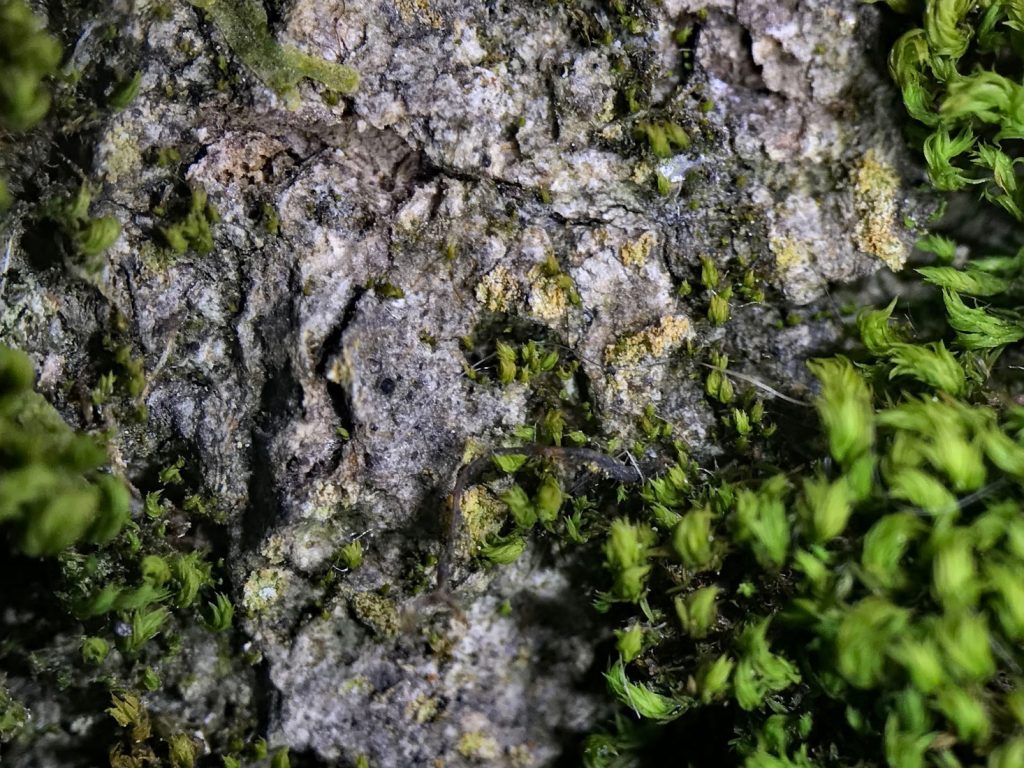
[attachment=3]2020-06-10-01.jpg[/attachment]
Francisrosea bicolor, New Forest Thelopsis corticola: a continuous grey-green to grey-brown thallus, thicker than the other species, with the soralia irregular punctiform and pale ochraceous with fine compact soredia, paler internal colours sometimes showing when the soredia are abraded, with the soralia rarely becoming contiguous. Found on well flushed base rich bark on veteran trees, often where grading into dry bark. Occasionally fertile. 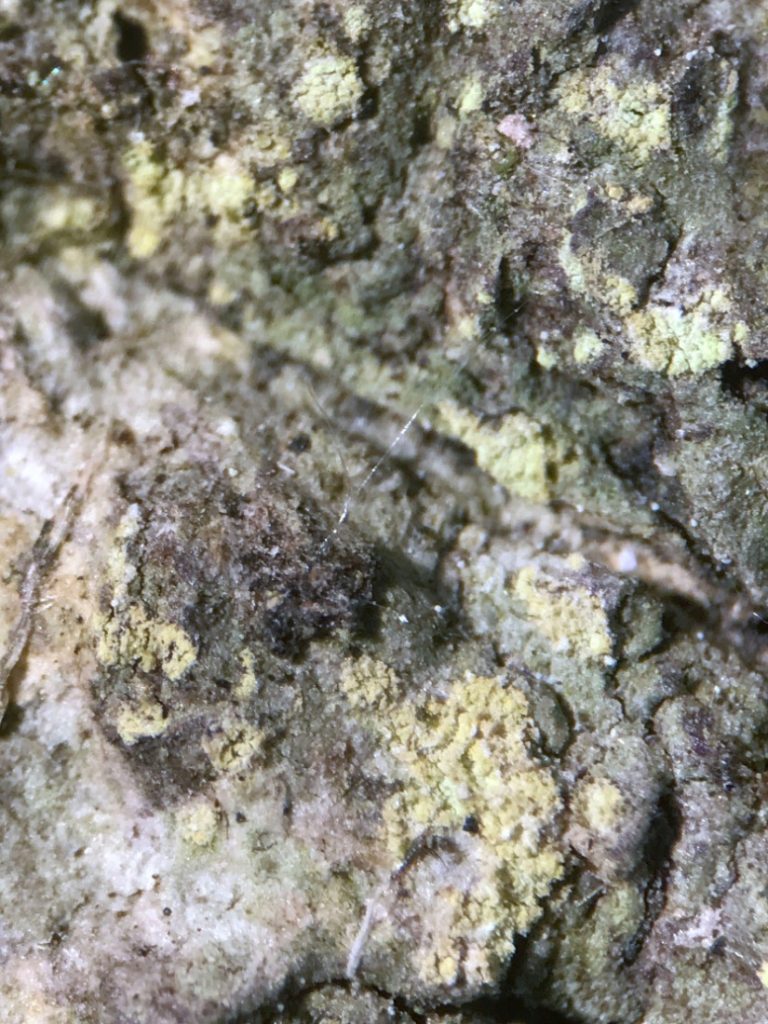
[attachment=2]2020-05-24-01.jpg[/attachment]
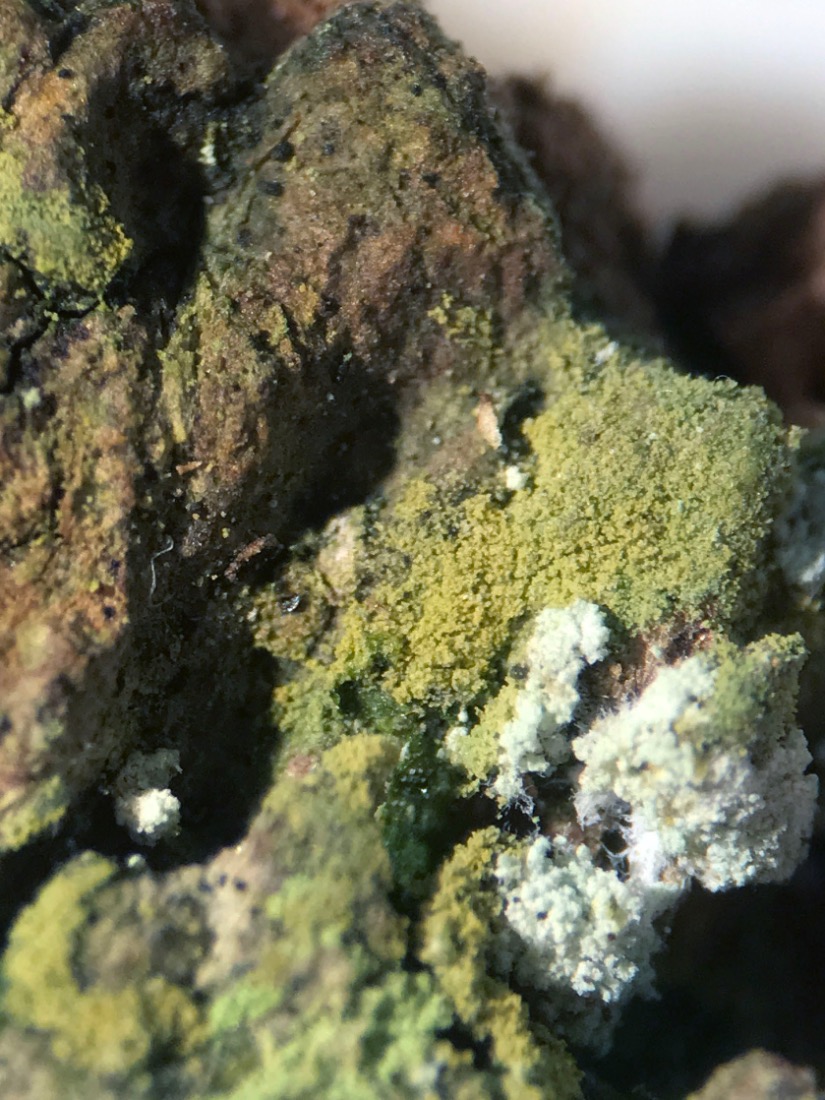
Thelopsis corticolaNew Forest Porina multipuncta: thallus thin but visible, dull or dark red-brown, soralia bright orange, uniformly coloured unless badly abraded, initial small and punctiform, but soon coalescing into an irregular patchy crust, soredia fine. Shaded base rich bark, but not always old trees, and also on rocks. Rarely fertile. 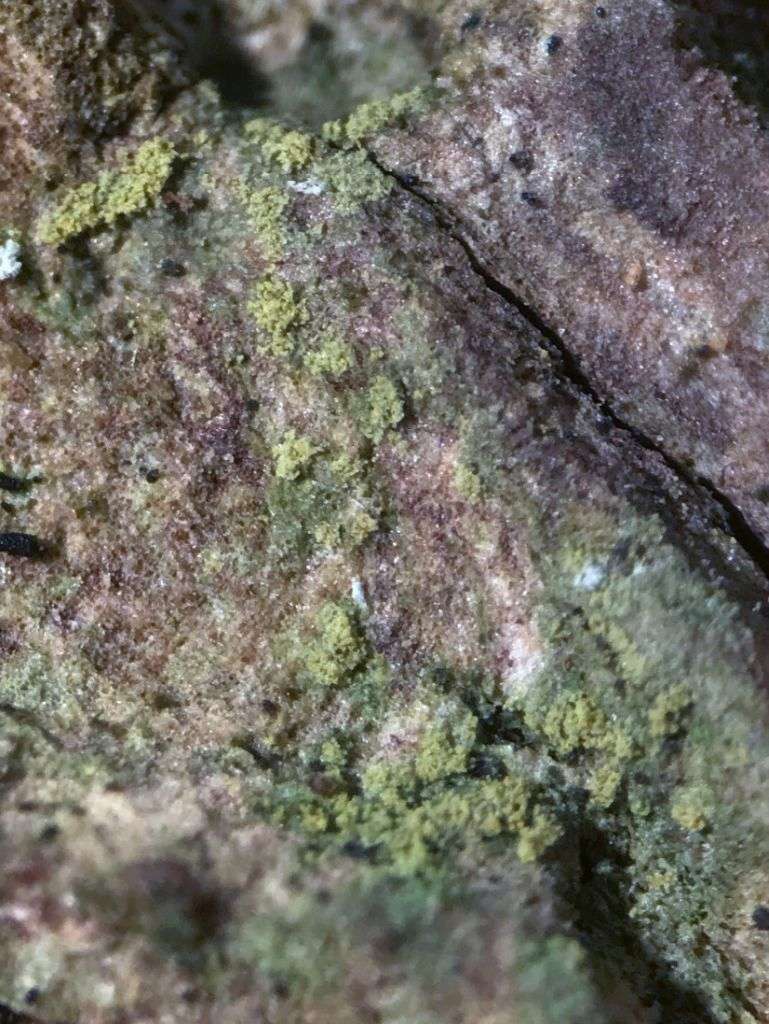
[attachment=0]2020-02-07-02.jpg[/attachment]
Porina multipunctaNew Forest, initially small and punctiform soralia 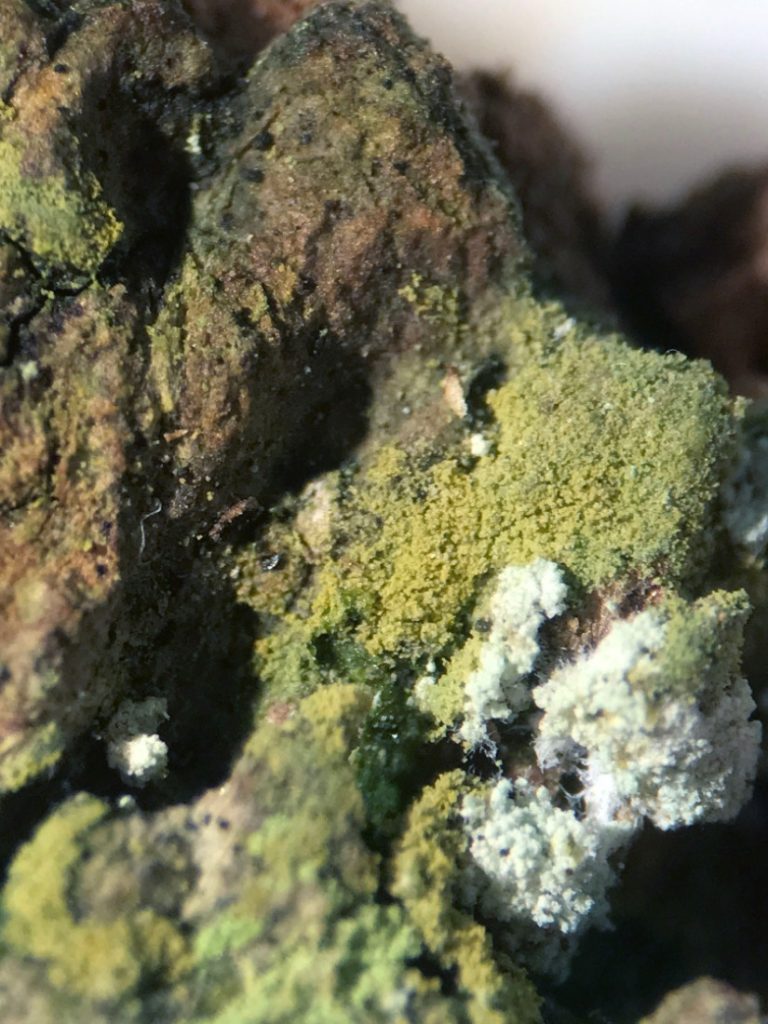
[attachment=1]2020-05-07-03.jpg[/attachment]
Porina multipunctaNew Forest more developed thalus with coalesced soralia Francisrosea bicoloris widespread in the New Forest, especially in Beech woods, but appears rare beyond. Outside of the Forest it has, so far, only been confirmed from an old Oak in Cumbria (Rydal Park). Neil
September 21, 2021 at 8:30 am #44309Well done to everyone involved – good name. Whereabouts in Cumbria: Rydal?
September 21, 2021 at 9:06 am #44310Thanks Chris. Yes Rydal Park, updated the my original text Neil
-
AuthorPosts


- You must be logged in to reply to this topic.