- This topic is empty.
-
AuthorPosts
-
January 30, 2021 at 10:37 pm #32005
I found what I believe to be Rinodina pityrea on bark on a mature elder trunk on a sunny Cotswold slope. It would be a first for Vc33 East Gloucestershire, though I suspect it is common enough. I was alerted by the presence of Caloplaca phlogina, a regular in its community, and noted the slatey-grey sterile sorediate lichen nearby. The soredia have hyphae with relatively rounded cells that are K+ lilac in squash.
Just before posting this a checked the net and find that Mark Powell warns on Twitter and
http://fungi.myspecies.info/taxonomy/term/7333/media that Fellhanera viridisorediata is a possible source of confusion.Any comments or guidance would be gratefully received. Mark????
Juliet
January 31, 2021 at 12:11 am #43942When I first started to come across this sort of slaty bluish-grey sorediate lichen on elder stems, my thoughts turned to things like Caloplacachlorinaor C. virescens(this group of Caloplacahave the K+ violet pigment in their thallus). A more experienced lichenologist identified one of my specimens as a rather ‘sorediate’ form of C. chlorinaso I tentatively accepted that as the answer. A year or two later, during a Cambridge Group outing to Woodwalton Fen, I found this lichen growing in abundance on lovely old elder bushes, in the company of Caloplaca phlogina, and I was pleased to find some of was fertile. This was no Caloplaca, this was Rinodinapityrea. The only disconcerting thing was that the LGBI2 description of the thallus of R. pityreais ‘granular’. It is better described as sorediate. Some years later I found some fertile Fellhanera viridisorediataand found that this also has K+ violet pigment in its soredia. So we have a limited number of ‘ Caloplaca‘ species, R. pityreaand F. viridisorediataas the granular/sorediate lichens potentially growing on bark which have the K+ violet pigment that I am aware of. I am prepared to confirm your Cotswold lichen as
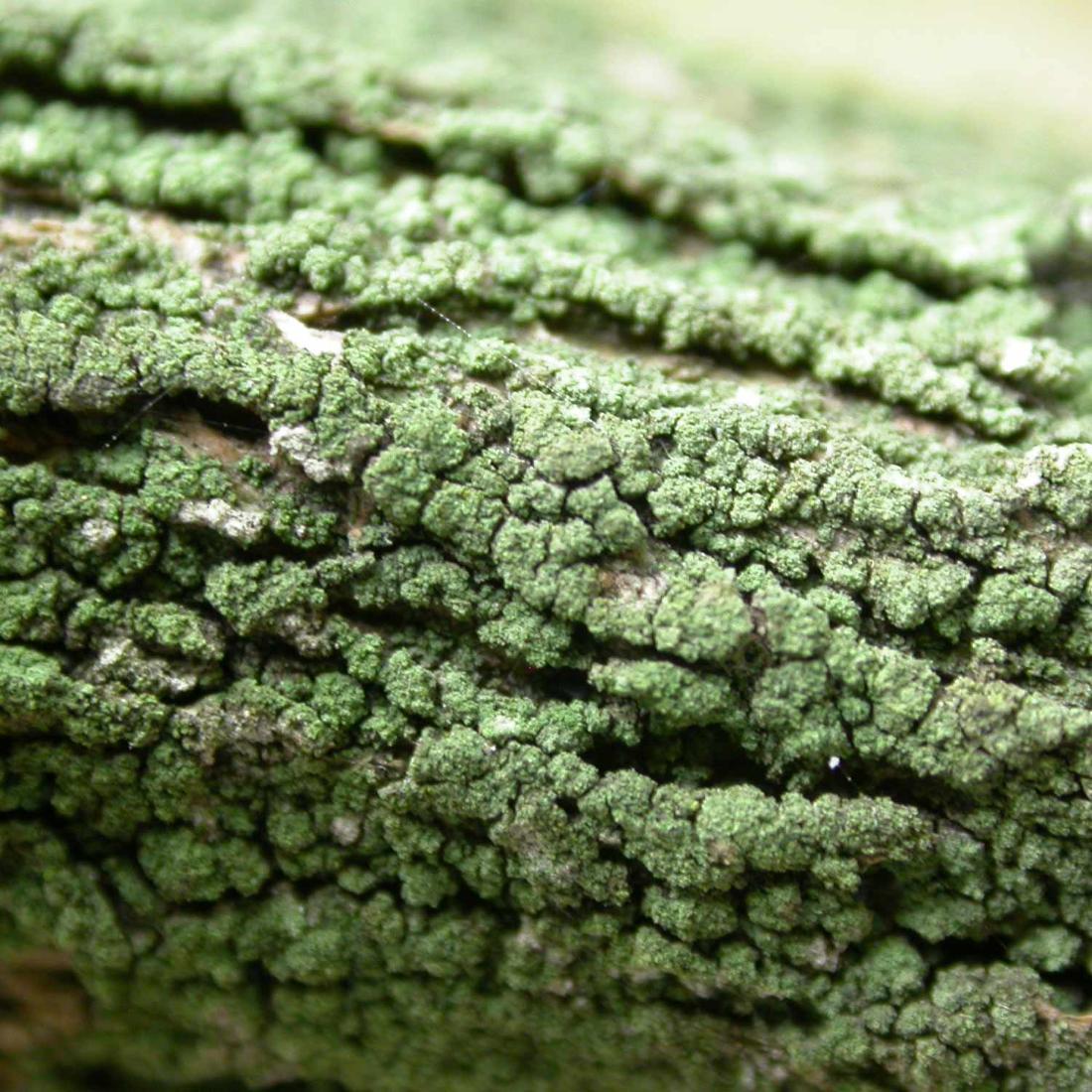
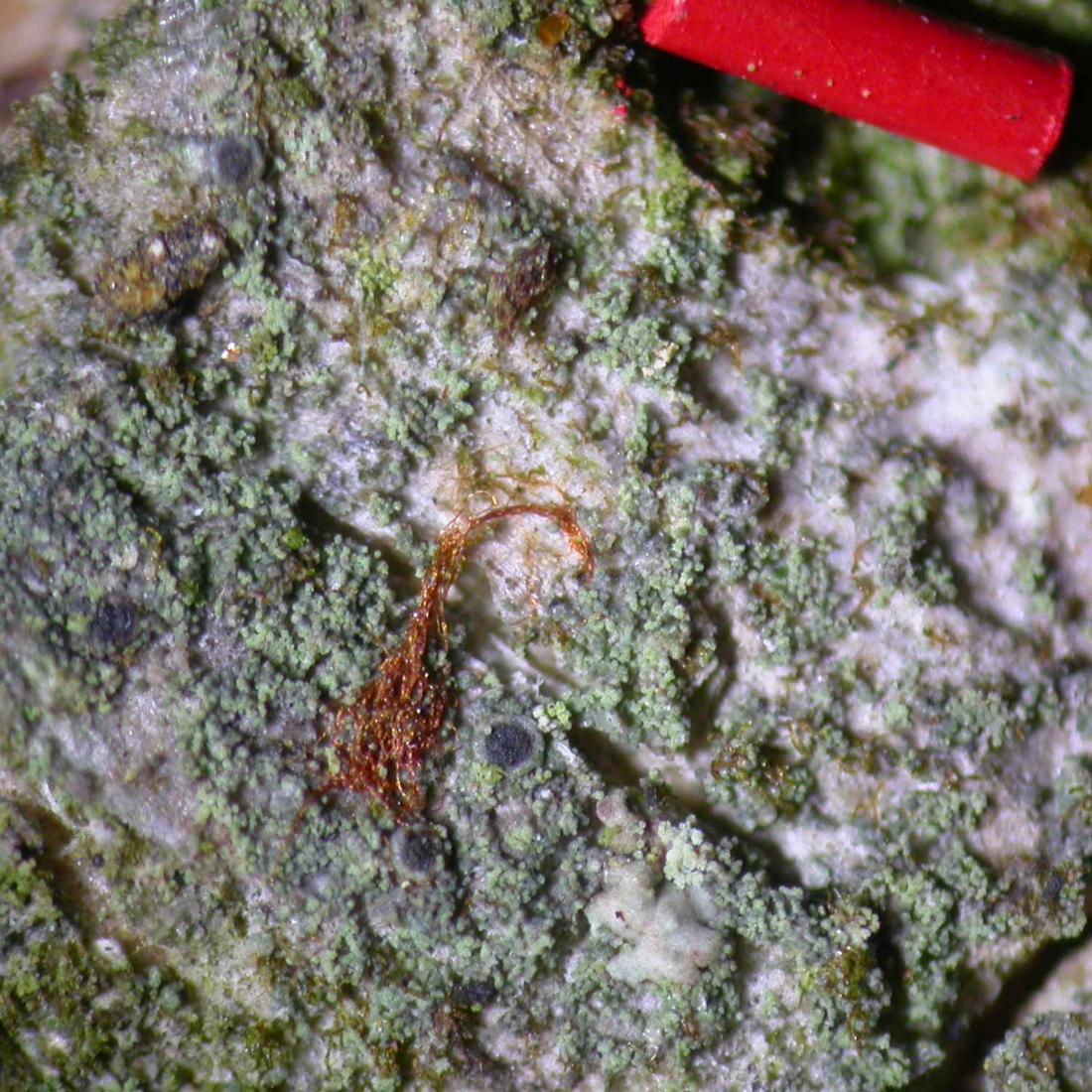
R. pityreafor the following reasons. C. chlorinaand C. virescensare more typical of bases of parkland trees (I have seen C. chlorinain this situation but have never found C. virescens). F. viridisorediatais more typical of moderately acidic substrata (dead and dying gorse stems, fallen but still hard conifer trunks…). As soon as I read that yours was growing on a mature elder in the company of C. phlogina, my thoughts immediately turned to R. pityrea, it is such a typical habitat and such a common companion. Can I really rule out F. viridisorediata? In addition to the ecology seeming wrong, the appearance is slightly different. Your R. pityreahas typical scruffy appearance, rather random sorediate patches arising from scarcely apparent but sometimes irregularly, minutely lumpy thallus. It is also staining the elder bark blackish where the thallus is almost absent, with a sort of dark hypothallus immersed in the bark. This is typical of R. pityreaon soft elder bark. F. viridisorediatahas a neatly, minutely warted thallus (if you ever get to see it before becoming covered in soredia) and the soredia pile up into fragile mounds. Fellhanera viridisorediata:
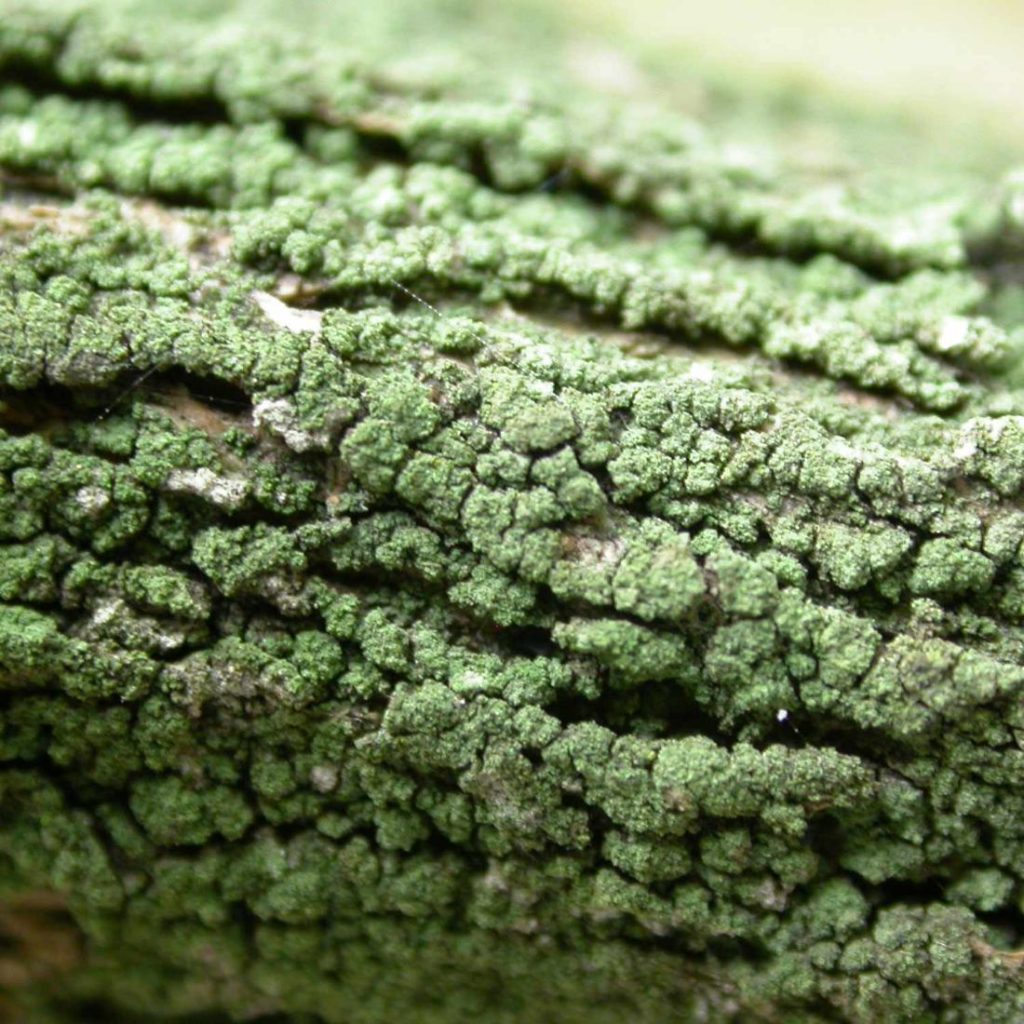
[attachment=1]viridisored.jpeg[/attachment]
Rinodina pityrea: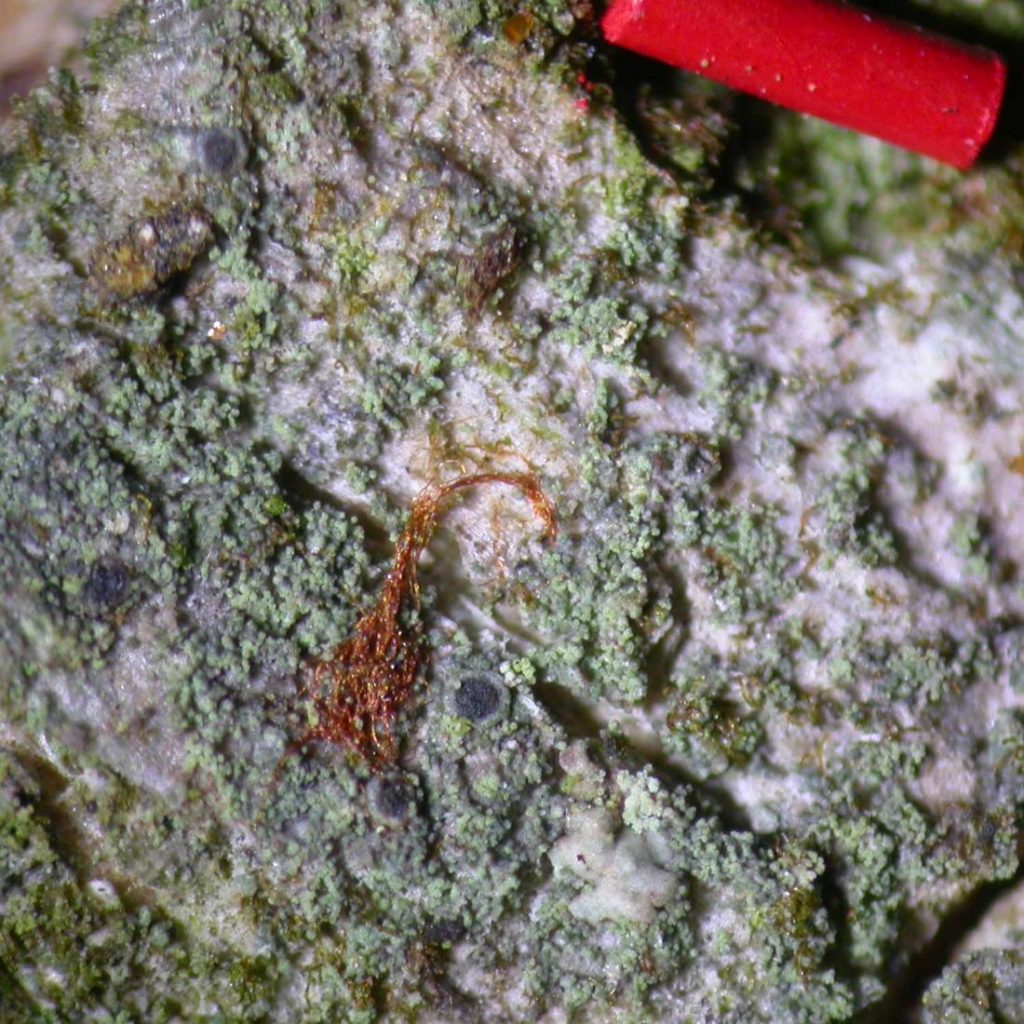
[attachment=0]Rinodina pityrea P3302 (1).jpg[/attachment] I don’t think we are being too casual if it is added as new to VC 33 considering the comments above.
January 31, 2021 at 6:29 am #43943Thanks Juliet and Mark, this is one that has passed me by but should be around in Hampshire outside the New Forest at least. I will keep a lookout. Neil
-
AuthorPosts



- You must be logged in to reply to this topic.